 info@seagull-health.com
 SeagullHealth
 search

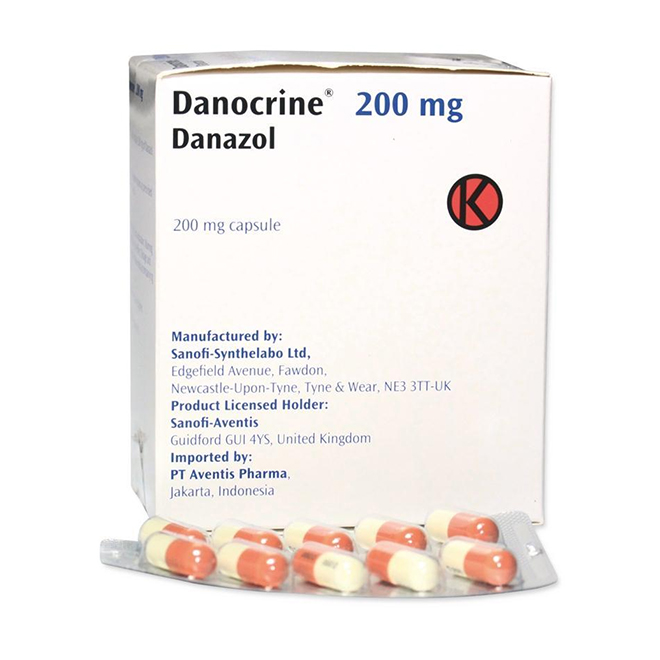
How well does Danazol(Danocrine) work?
Danazol (Danocrine) plays an irreplaceable role in the treatment of various diseases. Its unique pharmacological mechanism of action makes it perform well in the treatment of endometriosis, fibrocystic breast disease and other diseases, bringing good news to many patients.
Therapeutic effect of danazol (Danocrine)
1. Trial design
In a phase 1-2 prospective study involving patients with telomere diseases, patients orally received the synthetic sex hormone danazol at 800 mg daily for a total of 24 months. The treatment goal was to slow down the accelerated telomere attrition. The primary efficacy endpoint was a 20% reduction in the annual rate of telomere attrition measured at 24 months. The occurrence of treatment-related toxic reactions was the primary safety endpoint, and the hematological response to treatment at different time points was a secondary efficacy endpoint.
2. Trial results
After enrolling 27 patients, the study was prematurely stopped because telomere attrition was reduced in all 12 evaluable patients for the primary endpoint. In the intention-to-treat analysis, 12 of 27 patients achieved the primary efficacy endpoint. Almost all patients showed an increase in telomere length at 24 months compared with the baseline; similar increases were observed at 6 months and 12 months in exploratory analyses. Hematological responses were observed in 19 of 24 evaluable patients at 3 months and in 10 of 12 evaluable patients at 24 months.
3. Trial conclusion
The study found that danazol treatment led to telomere elongation in patients with telomere diseases.

Free Inquiry


- 1






- Core products
- Antitumor drugs
- General drug
- Antiviral drugs
- Biological agents
- haiousales@gmail.com