info@seagull-health.com
SeagullHealth
语言:
search
new
Adverse Reactions of Pralsetinib (Gavreto)
516
Article source: Seagull Pharmacy
Dec 22, 2025

Pralsetinib (Gavreto) is a targeted therapy for RET fusion-positive tumors. While delivering therapeutic benefits to patients, it is also associated with potential risks that cannot be ignored.

Adverse Reactions of Pralsetinib (Gavreto)

General Reactions

Fatigue: More than 40% of patients experience fatigue or asthenia.

Fever: Some patients may develop fever.

Edema: Localized or generalized swelling of the body, such as edema of the face, eyelids or extremities.

Gastrointestinal Reactions

Constipation: With a relatively high incidence, it is one of the main gastrointestinal adverse reactions.

Diarrhea: Some patients may have diarrhea, and a small number of cases may be severe.

Cardiovascular Reactions

Hypertension: Elevated blood pressure is an important and common adverse reaction of pralsetinib, requiring regular monitoring and management.

Severe Adverse Reactions of Pralsetinib (Gavreto)

Interstitial Lung Disease/Pneumonitis

Incidence: Occurs in approximately 12% of patients, among whom some cases are severe grade 3–4 reactions, and a very small number may be fatal.

Symptom Identification: New or worsening dyspnea, cough, and fever.

Management Measures: Patients should seek immediate medical attention and suspend medication once relevant symptoms appear. Physicians will decide whether to permanently discontinue the drug based on the severity of the reaction. For grade 1–2 reactions, the dosage should be reduced before resuming treatment after symptom resolution.

Hypertension

Pralsetinib may induce hypertension or exacerbate pre-existing hypertension.

Monitoring Requirements: Blood pressure must be well-controlled prior to the initiation of treatment. Monitor blood pressure during the first week of treatment, then at least once a month thereafter, and as clinically indicated.

Management Principles: In case of uncontrollable grade 3 hypertension (systolic blood pressure ≥ 180 mmHg or diastolic blood pressure ≥ 110 mmHg), treatment should be suspended and resumed at a reduced dose after blood pressure is controlled. Grade 4 hypertension (life-threatening) requires permanent discontinuation of the drug.

Hepatotoxicity

Pralsetinib may cause elevated liver enzymes and liver injury.

Monitoring Requirements: Measure alanine aminotransferase (ALT) and aspartate aminotransferase (AST) levels before treatment, every two weeks during the first three months of treatment, then monthly thereafter, and as clinically indicated.

Management Principles: Depending on the severity of elevated liver enzymes, treatment suspension, dosage reduction or permanent drug discontinuation may be required.

Precautions for Pralsetinib (Gavreto) Administration

Patient Selection and Dosage & Administration

Population Indications: This drug must be administered to patients with lung cancer or thyroid cancer confirmed to have RET gene fusion by an FDA-approved testing method.

Recommended Dosage: The recommended dose for adults and pediatric patients aged 12 years and older is 400 mg orally once daily, on an empty stomach (no food for at least 2 hours before dosing and at least 1 hour after dosing).

Missed Dose Management: If a dose is missed, take it as soon as possible on the same day and resume the normal dosing schedule the next day. Do not take an extra dose if vomiting occurs after administration.

Management of Drug Interactions

Concomitant Use with Inhibitors: Avoid co-administration with strong or moderate CYP3A inhibitors and/or P-glycoprotein inhibitors. If co-administration is unavoidable, the dosage of pralsetinib must be reduced in accordance with guidelines.

Concomitant Use with Inducers: Avoid co-administration with strong or moderate CYP3A inducers. If co-administration is unavoidable, the dosage of pralsetinib needs to be increased in accordance with guidelines.

Disclosure to Healthcare Providers: Patients must inform their physicians of all medications they are taking, including prescription drugs, over-the-counter drugs, vitamins and herbal products.

Note: For internal discussion among medical personnel only. For specific medication, please consult the attending physician. Drug information may change over time. For the latest information, we recommend adding a medical consultant or consulting for free online.
Recommended Articles
What Are the Precautions for Pralsetinib (Gavreto) Administration?
Pralsetinib (Gavreto) is a new-generation highly selective RET inhibitor, offering a breakthrough treatment option for patients with RET fusion-positive non-small cell lung cancer and thyroid cancer.W...
Dosage and Administration, Recommended Dose of Pralsetinib (Gavreto)
Pralsetinib (Gavreto) is a kinase inhibitor targeting RET gene fusions, and it demonstrates significant value in the treatment of metastatic RET fusion-positive non-small cell lung cancer and thyroid ...
What Are the Indications for Pralsetinib (Gavreto)?
Pralsetinib (Gavreto) is an oral kinase inhibitor primarily indicated for the treatment of specific malignant tumors associated with RET gene alterations. Manufactured by Genentech, this drug first re...
What Are the Purchase Channels for Pralsetinib (Gavreto)?
Pralsetinib (Gavreto) is a precision RET kinase inhibitor and has become an important treatment option for cancers associated with RET gene alterations. As a prescription medication, the purchase of p...
What Are the Procurement Channels for Enasidenib?
Enasidenib is a targeted drug indicated for relapsed or refractory acute myeloid leukemia (AML) with IDH2 mutation, and its trade name is IDHIFA. Given its specific indications and prescription-only n...
What Are the Indications for Enasidenib?
Enasidenib is an oral isocitrate dehydrogenase-2 (IDH2) inhibitor, which was first approved for marketing in the United States in 2017 for the treatment of specific types of acute myeloid leukemia (AM...
Dosage and Administration, Recommended Dose of Enasidenib
As an isocitrate dehydrogenase-2 (IDH2) inhibitor, Enasidenib offers a targeted treatment option for patients with relapsed or refractory acute myeloid leukemia (AML). Its unique mechanism of action t...
What are the Precautions for Enasidenib Administration?
Enasidenib is an isocitrate dehydrogenase-2 (IDH2) inhibitor that offers a targeted treatment option for patients with relapsed or refractory acute myeloid leukemia (AML).What are the Precautions for ...
Related Articles
Mercaptopurine Tablets: Side Effect Management and Storage Guidelines
Mercaptopurine is a chemotherapy drug used to treat acute lymphoblastic leukemia. Understanding its side effects, mastering relief methods, and proper storage are crucial for treatment safety.1. Commo...
Indications, contraindications, and use in special populations for Mercaptopurine Tablets
Mercaptopurine is a chemotherapy drug used to treat acute lymphoblastic leukemia. Clarifying its indications, contraindications, and key points for use in special populations is crucial for treatment ...
Major Side Effects of Cevimeline
Cevimeline is used to improve dry mouth caused by Sjögren's syndrome, but it may cause various side effects when used.I. Major Side Effects of Cevimeline1. Digestive System Side Effects(1) The mos...
Cevimeline: Indications, Contraindications, and Use in Special Populations
Cevimeline is a cholinergic agonist that primarily promotes salivation by stimulating M receptors in the salivary glands.I. Indications1. Core IndicationCevimeline is indicated only for the improvemen...
Indications of Infigratinib
Infigratinib is an oral kinase inhibitor targeting FGFR2, indicated for patients with specific gene mutations in cholangiocarcinoma.I. Indications1. Infigratinib is indicated for adult patients with p...
Common Side Effects of Infigratinib
Infigratinib has shown clear efficacy in the treatment of FGFR2-mutant cholangiocarcinoma, but may also cause various side effects.I. Common Side Effects1. Ocular Side Effects:(1) The most common ocul...
What is Momelotinib?
Momelotinib is an oral kinase inhibitor indicated for the treatment of adults with intermediate or high-risk myelofibrosis with anemia, including primary and secondary myelofibrosis.I. What is Momelot...
What are the common side effects of Momelotinib
Momelotinib is a targeted therapy used for the treatment of intermediate/high-risk myelofibrosis with anemia. Understanding its common side effects, mastering management strategies, and proper storage...
New Drugs
Infigratinib(Truseltiq)
Treatment of previously treated, unresectable locally advanced or metastatic...
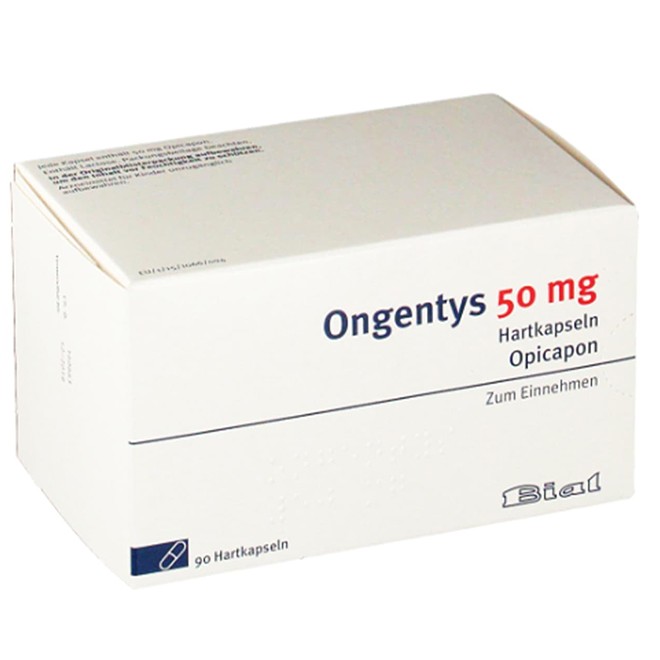
Opicapone(Ongentys)
Opicapone(Ongentys)
Adjunctive treatment to levodopa/carbidopa for reducing "off" episodes in...
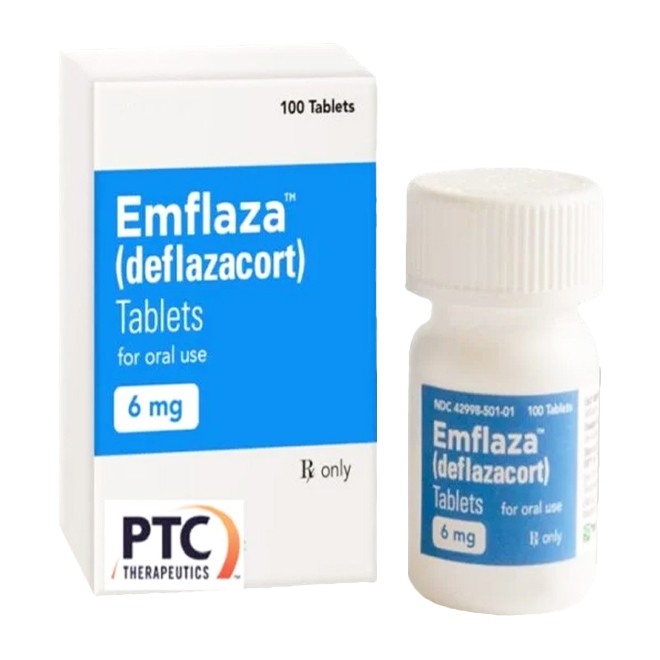
Deflazacort(Emflaza)
Treatment of Duchenne muscular dystrophy (DMD) in patients aged 2 years and...
Faricimab-svoa(Vabysmo)
Treatment of neovascular age-related macular degeneration, diabetic macular...
Counselling Service
Global Drug Search
Clinical Research Recruitment
Overseas Medical Treatment
Remote Consultations
Note: Our medical consultant will contact you as soon as possible. We promise to strictly protect your privacy.
Submit
Business
  • Core products
  • Antitumor drugs
  • General drug
  • Antiviral drugs
  • Biological agents
Contact Us 
  • haiousales@gmail.com
Welcome to consult
Seagull Pharmacy.,Ltd All rights reserved