info@seagull-health.com
SeagullHealth
语言:
search
new
Recommended Dosage of Bedaquiline
502
Article source: Seagull Pharmacy
Jan 13, 2026

Bedaquiline is a diarylquinoline antimycobacterial agent indicated for use in combination therapy for pulmonary tuberculosis caused by Mycobacterium tuberculosis resistant to at least rifampicin and isoniazid, in adults and children aged 2 years and older with a body weight of at least 8 kg.

Recommended Dosage of Bedaquiline

Recommended Dosage for Adult Patients

Initial Phase (Weeks 1–2): 400 mg orally once daily (equivalent to 4 tablets of 100 mg strength or 20 tablets of 20 mg strength).

Maintenance Phase (Weeks 3–24): Switch to 200 mg three times weekly (equivalent to 2 tablets of 100 mg strength or 10 tablets of 20 mg strength), with an interval of at least 48 hours between each dose.

Total Treatment Duration: The full course of bedaquiline treatment is 24 weeks. If continued treatment is required beyond 24 weeks, extension with a dosage of 200 mg three times weekly may be considered.

Recommended Dosage for Pediatric Patients (≥ 2 years old and ≥ 8 kg body weight)

Pediatric dosage must be strictly calculated based on body weight, also divided into a 2-week initial phase and a 22-week maintenance phase.

Body weight 8 kg to less than 10 kg: 80 mg once daily (4 tablets of 20 mg strength) during the initial phase; 40 mg three times weekly (2 tablets of 20 mg strength) during the maintenance phase.

Body weight 10 kg to less than 15 kg: 120 mg once daily (6 tablets of 20 mg strength) during the initial phase; 60 mg three times weekly (3 tablets of 20 mg strength) during the maintenance phase.

Body weight 15 kg to less than 30 kg: 200 mg once daily (2 tablets of 100 mg strength or 10 tablets of 20 mg strength) during the initial phase; 100 mg three times weekly (1 tablet of 100 mg strength or 5 tablets of 20 mg strength) during the maintenance phase.

Body weight ≥ 30 kg: The dosage is the same as that for adults.

Administration Method

All formulations must be taken with food to enhance bioavailability.

100 mg tablets: Swallow the tablet whole with water.

20 mg tablets: Flexible administration is allowed based on the patient's condition: the tablet can be swallowed whole with water or split along the functional score into two halves (10 mg per half) and taken with water.

For patients with difficulty swallowing, the tablet can be dispersed in water and taken immediately. Alternatively, it can be further mixed with beverages (such as water, milk, fruit juice) or soft foods (such as yogurt, applesauce) before administration.

The tablet can also be crushed and mixed with soft food for ingestion.

Management of Missed Doses

Missed dose during the first 2 weeks of treatment: Skip the missed dose and take the next dose as scheduled. Do not take a double dose to make up for the missed one.

Missed dose from week 3 onwards: Take the missed dose as soon as possible, then resume the three-times-weekly dosing schedule.

Ensure that the total weekly dose does not exceed the recommended weekly dosage within 7 days, and the interval between each dose is at least 24 hours.

Use in Special Populations

Patients with Hepatic Impairment

Mild to moderate hepatic impairment (Child-Pugh Class A or B): No dosage adjustment is required.

Severe hepatic impairment (Child-Pugh Class C): No clinical studies have been conducted. Use with caution, and only consider administration when the benefits outweigh the risks, with close monitoring for adverse reactions.

Patients with Renal Impairment

Mild to moderate renal impairment: No dosage adjustment is required.

Severe renal impairment or end-stage renal disease requiring dialysis: Use with caution. Bedaquiline is minimally excreted via the kidneys, but severe renal impairment may indirectly alter drug concentrations by affecting absorption, distribution, and metabolism. Hemodialysis or peritoneal dialysis does not significantly remove the drug.

Pregnancy and Lactation

Pregnancy: Available data are insufficient to evaluate the risk. However, active tuberculosis itself poses a definite risk to pregnancy, so the potential benefits and risks must be carefully weighed.

Lactation: Breastfeeding is not recommended, as the drug accumulates in breast milk.

Note: For internal discussion among medical personnel only. For specific medication, please consult the attending physician. Drug information may change over time. For the latest information, we recommend adding a medical consultant or consulting for free online.
Recommended Articles
What Are the Indications for Bedaquiline?
Bedaquiline is an innovative diarylquinoline anti-mycobacterial drug. It was first approved for marketing in the United States in 2012, offering a new treatment option for drug-resistant tuberculosis....
What Are the Purchase Channels for Bedaquiline?
Bedaquiline is the world's first diarylquinoline anti-mycobacterial drug, specifically indicated for the treatment of adult and pediatric (aged 2 years and older with a body weight ≥ 8 kg) patient...
Side Effects of Mavacamten (Camzyos)
Mavacamten (Camzyos) is a medication indicated for the treatment of adult patients with symptomatic obstructive hypertrophic cardiomyopathy (HCM). As a drug with a unique mechanism of action, mavacamt...
What Are the Precautions for Mavacamten (Camzyos) Administration?
Mavacamten (Camzyos) is an innovative drug indicated for the treatment of symptomatic obstructive hypertrophic cardiomyopathy, and it belongs to the class of cardiac myosin inhibitors. As a prescripti...
What Are the Procurement Channels for Sabril?
Sabril (vigabatrin) is a medication indicated for the treatment of refractory complex partial seizures and infantile spasms. Due to its unique risk-benefit ratio, extreme caution must be exercised dur...
What are the indications for Sabril (vigabatrin)?
Sabril (vigabatrin) is an oral antiepileptic drug primarily indicated for the treatment of specific types of epileptic seizures. It demonstrates significant clinical efficacy, yet is associated with s...
Dosage and Administration of Sabril (Vigabatrin)
Sabril (Vigabatrin) is an antiepileptic drug indicated for the treatment of specific types of epileptic seizures. Due to the risk of severe adverse effects such as permanent vision loss, it must be ad...
What Are the Precautions for Taking Sabril (Vigabatrin)?
Sabril (Vigabatrin) is an antiepileptic drug indicated for the treatment of specific types of epileptic seizures. Given its potential to cause severe and permanent visual impairment, the administratio...
Related Articles
How to relieve the side effects of Gilteritinib (Xospata)?
Side effect management of Lazertinib requires targeted measures based on specific reaction types, with key focus on the prevention and control of venous thromboembolism, skin reactions, and ocular tox...
What are the side effects of Gilteritinib (Xospata)?
Gilteritinib (Xospata) is a FLT3 inhibitor. Its adverse reactions mainly involve the hematological system, cardiovascular system, digestive system, etc. Different management measures should be taken a...
Where to Buy Venetoclax Tablets
Venetoclax is a targeted medication used for the treatment of chronic lymphocytic leukemia/small lymphocytic lymphoma (CLL/SLL) and acute myeloid leukemia (AML). As a prescription drug, its purchase a...
Indications of Venetoclax Tablets
Venetoclax is an innovative BCL‑2 inhibitor that plays an important role in the treatment of hematologic malignancies.Indications of Venetoclax TabletsMain Indications(1) Chronic Lymphocytic Leukemia ...
Side Effects of Mavacamten (Camzyos)
Mavacamten (Camzyos) is a cardiac myosin inhibitor indicated for the treatment of adults with symptomatic obstructive hypertrophic cardiomyopathy (HCM), New York Heart Association (NYHA) functional cl...
What are the precautions for mavacamten (Camzyos)?
Mavacamten (Camzyos) is a novel cardiac myosin inhibitor indicated for the treatment of adults with symptomatic obstructive hypertrophic cardiomyopathy (HCM) of New York Heart Association (NYHA) funct...
Mechanism of Action of Valsartan Tablets (Diovan)
Valsartan Tablets (Diovan) is a widely used angiotensin II receptor antagonist (ARB) in clinical practice, indicated mainly for the treatment of hypertension, heart failure, and reduction of cardiovas...
Important Dosage and Administration Information
As an angiotensin II receptor antagonist, valsartan is widely used in the treatment of hypertension, heart failure, and post-myocardial infarction. Appropriate selection of dosage form, dose adjustmen...
New Drugs
Infigratinib(Truseltiq)
Treatment of previously treated, unresectable locally advanced or metastatic...
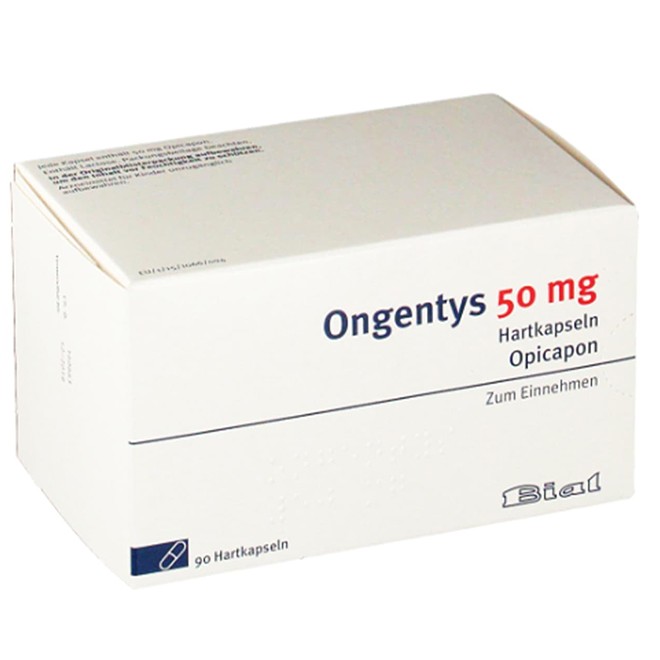
Opicapone(Ongentys)
Opicapone(Ongentys)
Adjunctive treatment to levodopa/carbidopa for reducing "off" episodes in...
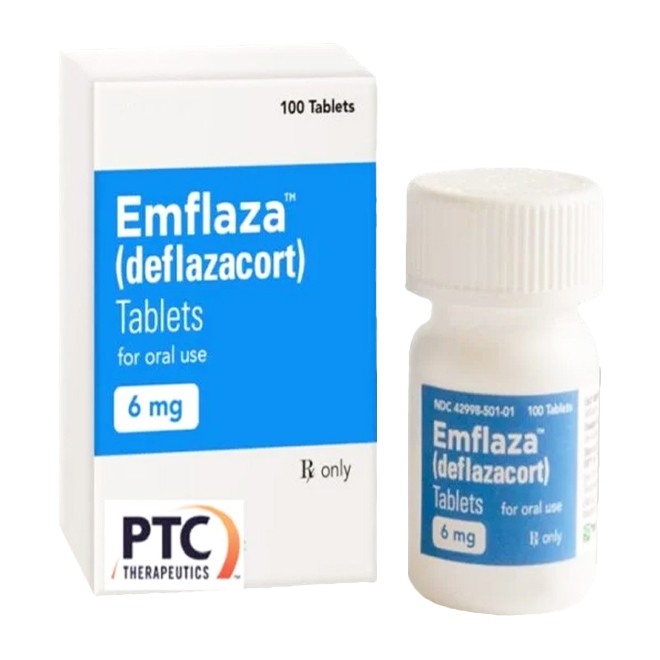
Deflazacort(Emflaza)
Treatment of Duchenne muscular dystrophy (DMD) in patients aged 2 years and...
Faricimab-svoa(Vabysmo)
Treatment of neovascular age-related macular degeneration, diabetic macular...
Counselling Service
Global Drug Search
Clinical Research Recruitment
Overseas Medical Treatment
Remote Consultations
Note: Our medical consultant will contact you as soon as possible. We promise to strictly protect your privacy.
Submit
Business
  • Core products
  • Antitumor drugs
  • General drug
  • Antiviral drugs
  • Biological agents
Contact Us 
  • haiousales@gmail.com
Welcome to consult
Seagull Pharmacy.,Ltd All rights reserved