info@seagull-health.com
SeagullHealth
语言:
search
new
Dosage and Administration of Zidesamtinib
508
Article source: Seagull Pharmacy
Aug 06, 2026

Before the first administration of Ziditnib, the following baseline assessments must be completed: serum creatine phosphokinase level, electrocardiogram, blood electrolytes (potassium, magnesium, calcium, etc.), lipase and amylase levels. This assessment aims to establish individualized baseline reference values, provide a basis for subsequent safety monitoring, and prevent potential cardiac repolarization abnormalities, muscle injury, and pancreatic toxicity.

Recommended Dosage

The recommended dose of Ziditnib is 100 mg once daily, taken orally, with or without food, until disease progression or unacceptable toxicity occurs.

Tablet administration instructions: The tablet should be swallowed whole and must not be split, chewed, crushed, or dissolved before intake.

Missed Dose Management

If a dose is missed and the time since the missed dose is less than 12 hours from the usual scheduled time, the missed dose should be taken as soon as possible.

If the missed dose is 12 hours or more, the missed dose should be skipped, and the next dose should be taken at the regularly scheduled time.

Vomiting management: If vomiting occurs after taking the dose, no additional dose should be taken; the next scheduled dose should be taken on time.

Dose Adjustment Strategy for Adverse Reactions

To manage adverse reactions occurring during treatment, Ziditnib may be dose‑reduced in a stepwise manner. The recommended dose reduction steps are as follows:

First dose reduction: 75 mg once daily.

Second dose reduction: 50 mg once daily.

If the patient cannot tolerate the 50 mg once‑daily dose, Ziditnib treatment should be permanently discontinued. It is important to note that after dose reduction due to adverse reactions, subsequent re‑escalation of the dose is not recommended.

Specific dose adjustment measures (including dose interruption, resumption, and permanent discontinuation) and core management principles for different types and severities of adverse reactions are as follows:

Central Nervous System Adverse Reactions

For grade 2 intolerable or grade 3 reactions, interrupt dosing until symptoms recover to ≤ grade 1 or baseline; after recovery, dosing may be resumed at the same or a reduced dose. For grade 4 reactions, permanently discontinue treatment.

QTc Interval Prolongation

For QTc 481‑500 ms (grade 2), interrupt dosing, correct electrolyte disturbances or adjust concomitant medications; after recovery, dosing may be resumed at the same dose. For QTc ≥ 501 ms or an increase from baseline of > 60 ms (grade 3), resume at a reduced dose. For torsade de pointes or severe arrhythmia (grade 4), permanently discontinue treatment.

Interstitial Lung Disease / Pneumonitis

For confirmed or suspected grade 1 or 2 ILD, interrupt dosing until recovery to grade 0 or baseline; if recovery occurs within 6 weeks, resume at the same dose (grade 1) or a reduced dose (grade 2); if recovery does not occur within 6 weeks or if ILD recurs, permanently discontinue. For grade 3 or 4 ILD, permanently discontinue treatment.

Creatine Phosphokinase Elevation

For CPK > 5 × ULN, interrupt dosing until recovery to baseline or ≤ 2.5 × ULN; after recovery, resume at the same dose. For CPK > 10 × ULN or recurrent > 5 × ULN, reduce the dose upon resumption.

Lipase or Amylase Elevation

For grade 3 laboratory abnormalities, interrupt dosing until recovery to ≤ grade 2 or baseline; if recovery occurs within 14 days, resume at a reduced dose; otherwise, permanently discontinue. For grade 4 abnormalities, permanently discontinue. Once grade 3 or 4 pancreatitis is confirmed, permanently discontinue treatment.

Other Adverse Reactions

For intolerable grade 2, grade 3, or grade 4 adverse reactions, interrupt dosing until recovery to ≤ grade 1 or baseline; if recovery occurs within 4 weeks, grade 2 or 3 reactions may be resumed at the same dose, whereas grade 4 reactions should be resumed at a reduced dose. If recovery does not occur within 4 weeks, permanently discontinue treatment.

Note: For internal discussion among medical personnel only. For specific medication, please consult the attending physician. Drug information may change over time. For the latest information, we recommend adding a medical consultant or consulting for free online.
Recommended Articles
Indications and Dosage and Administration of Ripretinib
Ripretinib is a kinase inhibitor specifically indicated for adult patients with advanced gastrointestinal stromal tumors who have previously received three or more kinase inhibitors.I. Indications and...
Contraindications and Medication in Special Populations of Ripretinib
Ripretinib does not list any absolute contraindications in its prescribing information, but there are clear usage restrictions or risks for specific physiological states and populations.I. Clear Contr...
Adverse Reactions of Ripretinib
Unlike traditional inhibition that targets the active site of a single kinase, ripretinib modulates the kinase "switch" conformation to suppress aberrant kinase signaling of KIT and PDGFRA, ...
Contraindications and Medication in Special Populations of Etoricoxib
Etoricoxib is effective for pain relief, but due to its cardiovascular and gastrointestinal risks, there are clear contraindications for its use.I. Absolute contraindications: who must not use it1. Al...
Indications and Dosage of Tepotinib
Tepotinib is an oral MET tyrosine kinase inhibitor indicated for the treatment of non-small cell lung cancer harboring MET exon 14 skipping mutations.I. Indications and Patient Selection1. Applicable ...
Dosage and Administration of Isatuximab Injection (Sarclisa)
Sarclisa must be administered under the supervision of a healthcare professional, and the administration site must be equipped with immediately available emergency equipment and medical support to man...
Contraindications and Special Populations of Brensocatib Tablets
The prescribing information for Brixocatib tablets indicates that there are no absolute contraindications, but careful assessment of risks and benefits is still required in patients with special physi...
Related Articles
Contraindications and Special Populations of Brensocatib Tablets
The prescribing information for Brixocatib tablets indicates that there are no absolute contraindications, but careful assessment of risks and benefits is still required in patients with special physi...
Dosage and Administration of Isatuximab Injection (Sarclisa)
Sarclisa must be administered under the supervision of a healthcare professional, and the administration site must be equipped with immediately available emergency equipment and medical support to man...
Indications and Dosage of Tepotinib
Tepotinib is an oral MET tyrosine kinase inhibitor indicated for the treatment of non-small cell lung cancer harboring MET exon 14 skipping mutations.I. Indications and Patient Selection1. Applicable ...
Dosage and Administration of Zidesamtinib
Before the first administration of Ziditnib, the following baseline assessments must be completed: serum creatine phosphokinase level, electrocardiogram, blood electrolytes (potassium, magnesium, calc...
Indications and Dosage and Administration of Ripretinib
Ripretinib is a kinase inhibitor specifically indicated for adult patients with advanced gastrointestinal stromal tumors who have previously received three or more kinase inhibitors.I. Indications and...
Contraindications and Medication in Special Populations of Ripretinib
Ripretinib does not list any absolute contraindications in its prescribing information, but there are clear usage restrictions or risks for specific physiological states and populations.I. Clear Contr...
Adverse Reactions of Ripretinib
Unlike traditional inhibition that targets the active site of a single kinase, ripretinib modulates the kinase "switch" conformation to suppress aberrant kinase signaling of KIT and PDGFRA, ...
Contraindications and Medication in Special Populations of Etoricoxib
Etoricoxib is effective for pain relief, but due to its cardiovascular and gastrointestinal risks, there are clear contraindications for its use.I. Absolute contraindications: who must not use it1. Al...
New Drugs
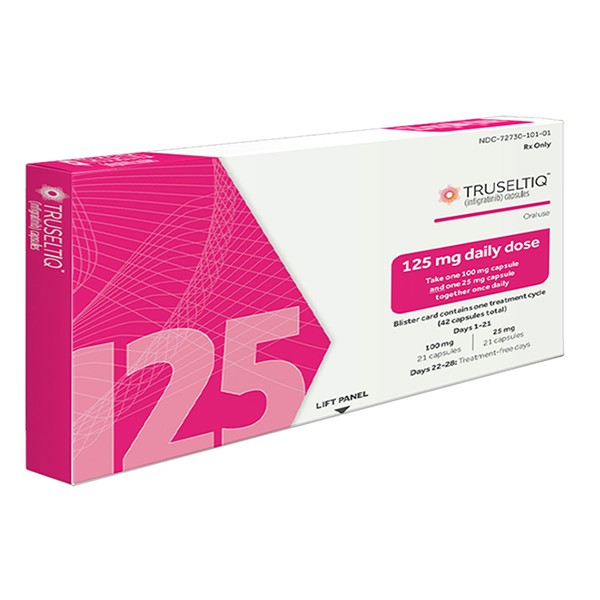
Infigratinib(Truseltiq)
Treatment of previously treated, unresectable locally advanced or metastatic...
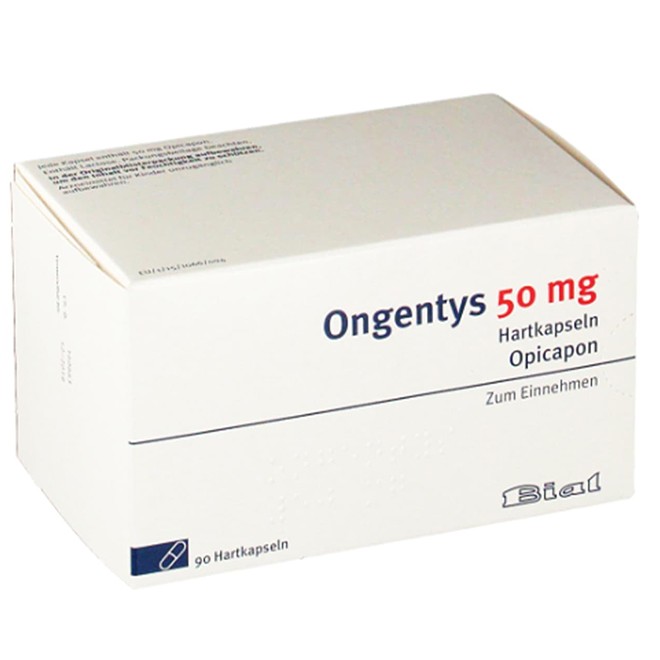
Opicapone(Ongentys)
Opicapone(Ongentys)
Adjunctive treatment to levodopa/carbidopa for reducing "off" episodes in...
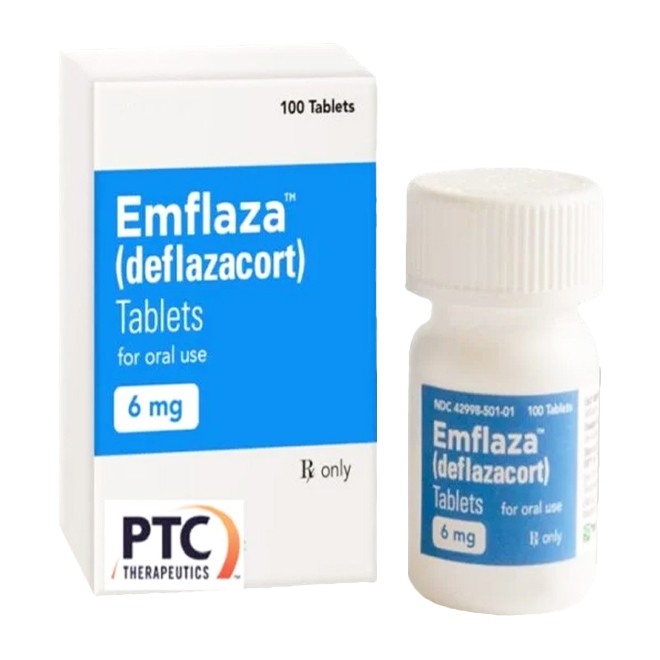
Deflazacort(Emflaza)
Treatment of Duchenne muscular dystrophy (DMD) in patients aged 2 years and...
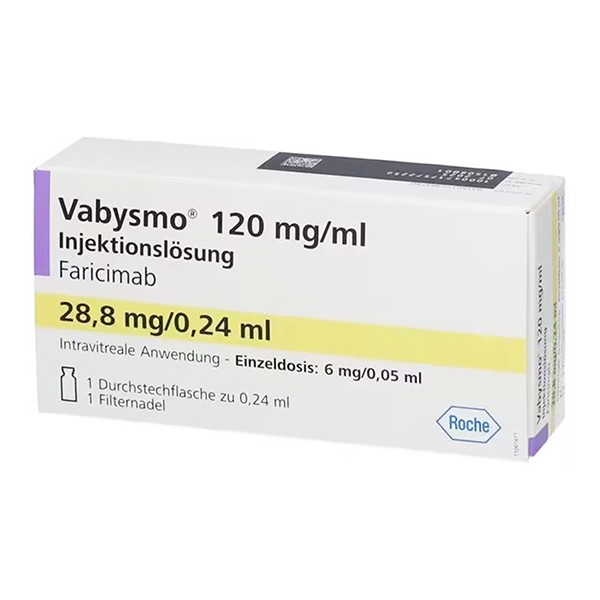
Faricimab-svoa(Vabysmo)
Treatment of neovascular age-related macular degeneration, diabetic macular...
Counselling Service
Global Drug Search
Clinical Research Recruitment
Overseas Medical Treatment
Remote Consultations
Note: Our medical consultant will contact you as soon as possible. We promise to strictly protect your privacy.
Submit
Business
  • Core products
  • Antitumor drugs
  • General drug
  • Antiviral drugs
  • Biological agents
Contact Us 
  • haiousales@gmail.com
Welcome to consult
Seagull Pharmacy.,Ltd All rights reserved