

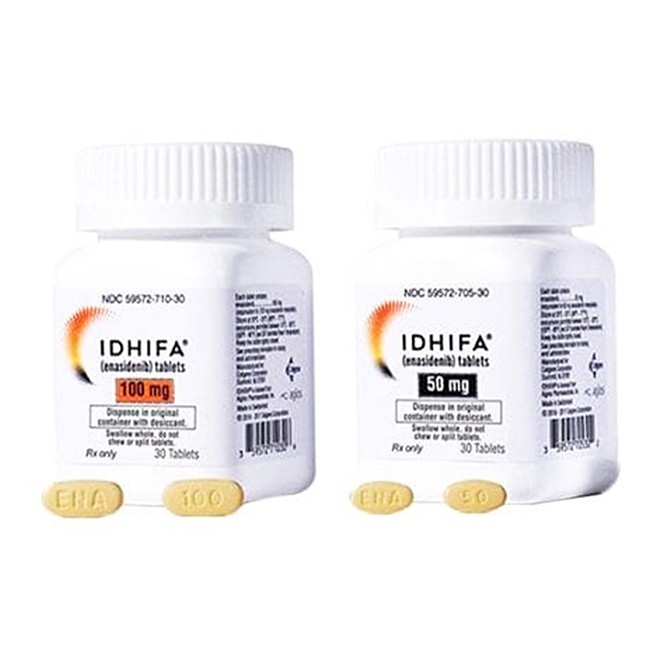
Enasidenib is a targeted drug for the treatment of IDH2-mutant acute myeloid leukemia. During treatment, a reasonable diet is crucial for alleviating discomfort and ensuring efficacy.
I. Adjust Eating Habits for Common Gastrointestinal Reactions
Enasidenib easily causes nausea, vomiting, diarrhea, decreased appetite, and other discomfort. Scientific dietary adjustments can effectively relieve these symptoms.
1. Eat Small, Frequent Meals, Mainly Light Food
Avoid eating too much at one time. Divide three meals into five to six small meals. Choose light, easily digestible foods such as porridge, noodles, and steamed eggs. Reduce greasy, spicy, and fried foods.
2. Supplement Fluids to Prevent Dehydration
Diarrhea and vomiting can cause fluid loss. Drink more warm water, light salt water, or oral rehydration salts, in small amounts and multiple times. Avoid caffeinated beverages to prevent further gastrointestinal irritation.
3. Cope with Taste Changes
Some patients may experience a metallic taste or poor taste. Try rinsing the mouth with lemon water, or add a small amount of herbs, scallions, or ginger to food for flavor. If red meat tastes bitter, switch to chicken, fish, or soy products.
II. Pay Attention to Drug Interactions and Avoid Prohibited Drinks and Foods
Enasidenib affects the activity of multiple metabolic enzymes in the liver, thereby changing the concentration of other substances in the body.
1. Strictly Control Caffeine
Enasidenib can significantly increase the concentration of caffeine in the blood, which may cause palpitations, insomnia, or stomach discomfort. During medication, reduce the intake of coffee, strong tea, cola, and chocolate, especially avoid drinking large amounts in a short time.
2. Avoid Certain Antifungal Drugs and Herbs
Certain antifungal drugs (such as some azoles) and herbs like St. John's wort can interact with enasidenib, affecting efficacy or increasing toxicity. Do not take such drugs or supplements on your own. Always consult a doctor before use.
3. Use Grapefruit and Its Juice with Caution
Grapefruit affects liver metabolic enzymes and may indirectly interfere with the metabolism of enasidenib. Although the specific effect varies among individuals, for safety reasons, it is best to avoid eating grapefruit or drinking its juice during treatment.
III. Ensure Nutritional Support and Maintain Liver and Blood Health
Enasidenib may cause elevated bilirubin and reduced blood cells. Dietary attention should be paid to protecting the liver and supplementing hematopoietic raw materials.
1. Ensure High-Quality Protein
Moderate intake of eggs, milk, fish, skinless chicken, and soy products helps maintain physical strength and repair tissues. If appetite is poor, make them into easy-to-eat forms such as minced meat porridge or fish soup.
2. Eat More Fresh Vegetables and Fruits
Choose vegetables and fruits rich in vitamins and minerals, such as broccoli, carrots, spinach, apples, and bananas. However, wash and peel them carefully. Avoid raw foods that may carry bacteria to prevent infection.
3. Pay Attention to Food Hygiene
Immunity may decrease during treatment. All food should be thoroughly cooked. Avoid raw fish, raw eggs, and unpasteurized milk. Refrigerate leftovers and reheat thoroughly before eating. Use separate knives and cutting boards for raw and cooked food.
4. Monitor Regularly and Adjust Promptly
Check blood counts and liver function regularly as advised by the doctor. If bilirubin is elevated, do not panic excessively. This is often a drug effect rather than liver damage, but dietary adjustments should be made as advised, reducing greasy food and strictly abstaining from alcohol.

Free Inquiry