

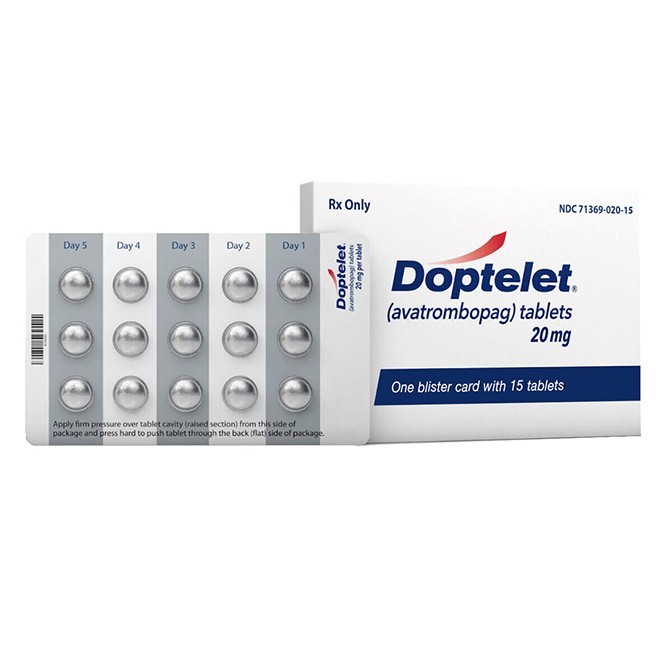
Avatrombopag should be taken with food, and dietary arrangements directly affect efficacy and safety. Patients should pay attention to food choices, administration methods, and special risks, as explained below from three aspects.
I. Basic Requirements for Taking with Food
1. Must Be Taken with Food
Avatrombopag tablets and oral granules should both be taken with food. Food can reduce fluctuations in blood drug concentration and make drug absorption more stable. Taking it on an empty stomach may increase differences in exposure and affect efficacy assessment.
2. No Need to Deliberately Change Meal Type
A low-fat meal or high-fat meal is both acceptable, and there is no need to prepare a specific diet for taking the medication. Maintaining regular daily meals is sufficient, and avoiding deliberate dietary changes can help prevent missed or delayed doses.
3. Keep Medication Time Relatively Fixed
It is recommended to take the medication at the same meal each day to form a habit and reduce missed doses. If a dose is forgotten, take it as soon as remembered, but do not take double the dose at one time.
II. Preparation of Oral Granules and Dietary Pairing
1. Applicable Population and Dosage Form Differences
Oral granules are suitable for pediatric patients aged 1 year to less than 6 years. Granules and tablets cannot be directly substituted on a milligram-to-milligram basis, and their preparation methods are also different. Parents should strictly follow medical advice when choosing the dosage form.
2. Soft Foods and Liquids That Can Be Used
The granules can be sprinkled onto a small amount of soft food or liquid, such as jam, strawberry jelly, plain yogurt, milk, orange juice, unflavored pediatric electrolyte solution, or water. The granules do not dissolve, so take the mixture immediately after mixing and do not save it.
3. Avoid Swallowing Whole or Chewing
The capsule must be opened and the granules poured out for mixing. Do not swallow the capsule whole, and do not chew or crush the granules. After administration, the cup or spoon can be rinsed with a small amount of food or liquid to ensure the full dose is taken.
III. Diet-Related Risks and Precautions
1. Avoid Alcohol
Drinking alcohol may increase the risk of bleeding, especially in patients with chronic liver disease or immune thrombocytopenia. Alcohol should be avoided during treatment to prevent increasing liver burden or interfering with platelet stability.
2. Pay Attention to Drug-Food Interactions
Avatrombopag is mainly metabolized by CYP2C9 and CYP3A4. If moderate or strong dual inducers or inhibitors are taken at the same time, dose adjustment is needed. Some herbs or supplements may affect metabolism, so consult a doctor before taking them.
3. Pay Attention to Thrombosis Risk and Diet
This product may increase the risk of thrombosis. If thrombotic risk factors are present, maintain a light diet, control blood lipids, and avoid high-fat and high-sugar diets that increase vascular burden. Seek medical attention immediately if symptoms such as leg swelling, chest pain, or shortness of breath occur.
4. Dietary Adjustments for Special Populations
Pregnant women may cause harm to the fetus, and breastfeeding is not recommended during lactation. Elderly patients do not need to adjust their diet merely because of age, but should ensure balanced nutrition. Pediatric patients need food texture adjusted according to age and weight.
5. Regular Monitoring and Diet Records
During treatment, platelet counts need to be checked regularly. It is recommended to record diet and medication times to help doctors evaluate efficacy and adverse reactions. If dietary changes are significant, inform the doctor promptly.

Free Inquiry