info@seagull-health.com
SeagullHealth
语言:
search
new
Precautions for Administration of Revuforj
504
Article source: Seagull Pharmacy
Sep 17, 2025

Revuforj is a targeted menin inhibitor indicated for the treatment of relapsed or refractory acute leukemia with KMT2A gene translocation. As an innovative targeted drug, its unique mechanism of action may be associated with specific risks such as Differentiation Syndrome (DS) and QT interval prolongation.

Precautions for Administration of Revuforj

Patient Screening Criteria

Revuforj is only applicable to patients with acute leukemia (including adults and children aged 1 year and above) who have been confirmed to have KMT2A gene translocation through testing.

Before initiating treatment, the status of KMT2A translocation must be confirmed via bone marrow cell testing, and the white blood cell count must be reduced to below 25 Gi/L.

For patients at risk of central nervous system recurrence, concurrent use of standard intrathecal chemotherapy prophylaxis is recommended.

Administration in Special Populations

Pregnant Women: Animal studies have shown that Revuforj can cause embryonic death, malformations, and growth restriction. Pregnancy testing must be performed before administration. Effective contraceptive measures should be taken during treatment and for 4 months after discontinuing the drug.

Lactating Women: Breastfeeding is prohibited during treatment and within 1 week after the last dose.

Pediatric Patients: The safety of Revuforj in infants under 1 year of age has not been established. For children aged 1 year and above, the dose needs to be adjusted based on body weight and body surface area.

Elderly Patients: Patients aged 65 years and above have a higher incidence of QT interval prolongation and edema, requiring enhanced monitoring.

Dosage Regimen

Revuforj should be taken orally twice daily (approximately 12 hours apart), either with a low-fat meal or on an empty stomach.

Tablets should be swallowed whole. For patients unable to swallow tablets, the tablets can be crushed and mixed with water, but the mixture must be administered within 2 hours.

If a dose is missed, it should be taken as soon as possible on the same day, with an interval of at least 12 hours before the next scheduled dose.

Dosage Adjustment for Adverse Reactions

Differentiation Syndrome (DS): Initiate corticosteroid treatment immediately and discontinue Revuforj. Resume the original dose after resolution of symptoms.

QTc > 500 ms: Discontinue administration. After correcting electrolyte abnormalities, resume treatment at a reduced dose.

Grade ≥ 3 Non-hematological Toxicity: Discontinue treatment until toxicity resolves to Grade ≤ 1. Resume at the original dose for the first occurrence; reduce the dose for subsequent occurrences.

Grade 4 Hematological Toxicity: Discontinue treatment until toxicity resolves to Grade ≤ 2. Dose reduction is required for recurrent occurrences.

Key Monitoring Points During Revuforj Treatment

Electrocardiogram (ECG) Monitoring

Revuforj may cause QT interval prolongation. Before administration, the baseline QTcF must be confirmed to be < 450 ms.

A baseline ECG must be performed before initiating treatment.

First 4 weeks of treatment: ECG monitoring at least once a week.

After 4 weeks: ECG monitoring at least once a month.

High-risk patients (e.g., those receiving concurrent QT-prolonging drugs): Increased frequency of monitoring is required.

Laboratory Monitoring

Before Treatment: Complete blood count, electrolytes (potassium/magnesium), liver function, and parathyroid hormone.

During Treatment: Monitor the above indicators monthly.

Management of Electrolyte Abnormalities

Serum potassium: 3.6–3.9 mEq/L or serum magnesium: 1.7–1.9 mg/dL: Supplement electrolytes and continue medication.

Serum potassium: ≤ 3.5 mEq/L or serum magnesium: ≤ 1.6 mg/dL: Immediately supplement electrolytes and recheck within 24 hours. If abnormalities are not corrected, discontinue Revuforj.

Monitoring for Differentiation Syndrome

Approximately 29% of patients may develop this potentially life-threatening complication. Close monitoring for the following symptoms is required:

Fever, dyspnea, hypoxemia;

Pulmonary infiltrates, pleural/pericardial effusion;

Rapid weight gain, peripheral edema;

Hypotension, renal insufficiency.

Note: For internal discussion among medical personnel only. For specific medication, please consult the attending physician. Drug information may change over time. For the latest information, we recommend adding a medical consultant or consulting for free online.
Recommended Articles
Precautions for Administration of Revuforj
Revuforj is a targeted menin inhibitor indicated for the treatment of relapsed or refractory acute leukemia with KMT2A gene translocation. As an innovative targeted drug, its unique mechanism of actio...
How to Use Aduhelm (Aducanumab)
Aduhelm (Aducanumab) is a monoclonal antibody targeting amyloid-beta, indicated for the treatment of Alzheimer's disease. As the first disease-modifying therapy for Alzheimer's disease to rece...
Precautions for the Use of Aduhelm (Aducanumab)
Aduhelm (Aducanumab) is a beta-amyloid monoclonal antibody that received accelerated approval from the U.S. FDA in 2021 for the treatment of Alzheimer's disease. As the first biological agent targ...
Indications of Tretinoin Capsules
Tretinoin Capsules are a preparation of all-trans retinoic acid, used as a differentiation inducer in the treatment of specific types of leukemia.Indications of Tretinoin CapsulesCore Target Populatio...
What are the Side Effects of Loteprednol Etabonate Suspension Eye Drops (Lotemax)?
Loteprednol Etabonate Suspension Eye Drops (Lotemax) is a topically administered glucocorticoid medication, primarily used to treat ocular inflammatory conditions such as allergic conjunctivitis and p...
How Effective is Loteprednol Suspension Eye Drops (Lotemax)?
Loteprednol Suspension Eye Drops (Lotemax) is a commonly used ophthalmic corticosteroid drug that plays an important role in the treatment of various ocular inflammatory diseases.How Effective is Lote...
Precautions for Using Loteprednol Etabonate Suspension Eye Drops (Lotemax)
Loteprednol Etabonate Suspension Eye Drops (Lotemax) is a glucocorticoid ophthalmic preparation, mainly used for the treatment of ocular inflammatory diseases. As a topically applied corticosteroid, i...
Indications of Loteprednol Etabonate Suspension Eye Drops (Lotemax)
Loteprednol Etabonate Suspension Eye Drops (Lotemax) is a glucocorticoid ophthalmic preparation, mainly used for the treatment of ocular inflammatory diseases.Indications of Loteprednol Etabonate Susp...
Related Articles
How to relieve the side effects of Gilteritinib (Xospata)?
Side effect management of Lazertinib requires targeted measures based on specific reaction types, with key focus on the prevention and control of venous thromboembolism, skin reactions, and ocular tox...
What are the side effects of Gilteritinib (Xospata)?
Gilteritinib (Xospata) is a FLT3 inhibitor. Its adverse reactions mainly involve the hematological system, cardiovascular system, digestive system, etc. Different management measures should be taken a...
Where to Buy Venetoclax Tablets
Venetoclax is a targeted medication used for the treatment of chronic lymphocytic leukemia/small lymphocytic lymphoma (CLL/SLL) and acute myeloid leukemia (AML). As a prescription drug, its purchase a...
Indications of Venetoclax Tablets
Venetoclax is an innovative BCL‑2 inhibitor that plays an important role in the treatment of hematologic malignancies.Indications of Venetoclax TabletsMain Indications(1) Chronic Lymphocytic Leukemia ...
Side Effects of Mavacamten (Camzyos)
Mavacamten (Camzyos) is a cardiac myosin inhibitor indicated for the treatment of adults with symptomatic obstructive hypertrophic cardiomyopathy (HCM), New York Heart Association (NYHA) functional cl...
What are the precautions for mavacamten (Camzyos)?
Mavacamten (Camzyos) is a novel cardiac myosin inhibitor indicated for the treatment of adults with symptomatic obstructive hypertrophic cardiomyopathy (HCM) of New York Heart Association (NYHA) funct...
Mechanism of Action of Valsartan Tablets (Diovan)
Valsartan Tablets (Diovan) is a widely used angiotensin II receptor antagonist (ARB) in clinical practice, indicated mainly for the treatment of hypertension, heart failure, and reduction of cardiovas...
Important Dosage and Administration Information
As an angiotensin II receptor antagonist, valsartan is widely used in the treatment of hypertension, heart failure, and post-myocardial infarction. Appropriate selection of dosage form, dose adjustmen...
New Drugs
Infigratinib(Truseltiq)
Treatment of previously treated, unresectable locally advanced or metastatic...
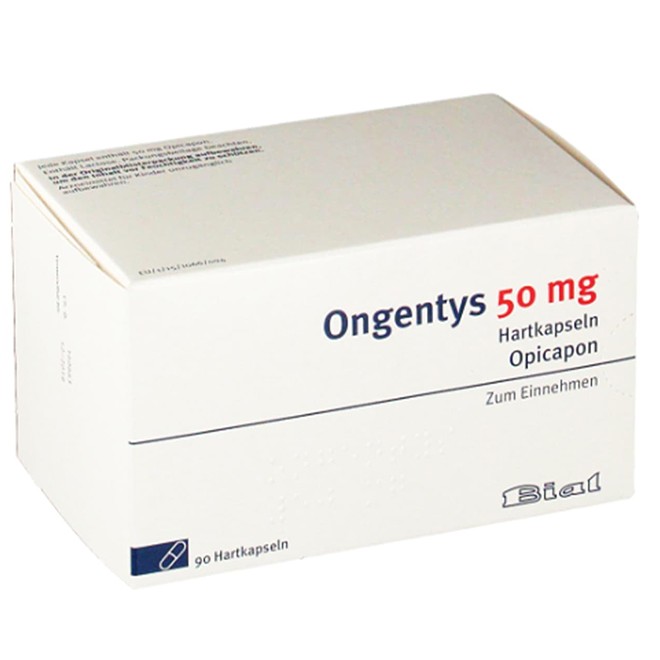
Opicapone(Ongentys)
Opicapone(Ongentys)
Adjunctive treatment to levodopa/carbidopa for reducing "off" episodes in...
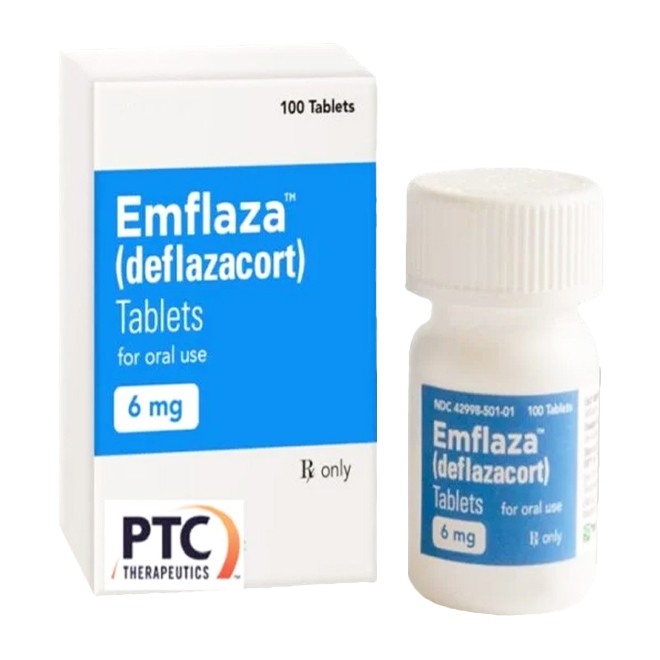
Deflazacort(Emflaza)
Treatment of Duchenne muscular dystrophy (DMD) in patients aged 2 years and...
Faricimab-svoa(Vabysmo)
Treatment of neovascular age-related macular degeneration, diabetic macular...
Counselling Service
Global Drug Search
Clinical Research Recruitment
Overseas Medical Treatment
Remote Consultations
Note: Our medical consultant will contact you as soon as possible. We promise to strictly protect your privacy.
Submit
Business
  • Core products
  • Antitumor drugs
  • General drug
  • Antiviral drugs
  • Biological agents
Contact Us 
  • haiousales@gmail.com
Welcome to consult
Seagull Pharmacy.,Ltd All rights reserved