info@seagull-health.com
SeagullHealth
语言:
search
new
How Effective is Anagrelide (Agrylin) in Treatment?
503
Article source: Seagull Pharmacy
Sep 23, 2025

Anagrelide (Agrylin) is a drug specifically used for the treatment of thrombocythemia, and is particularly suitable for secondary thrombocythemia associated with myeloproliferative neoplasms.

How Effective is Anagrelide (Agrylin) in Treatment?

Platelet Control Effect

Anagrelide is mainly used to reduce abnormally elevated platelet counts in patients with myeloproliferative neoplasms, lower the risk of thrombosis, and improve related symptoms.

It has a unique pharmacological action: by affecting the late stage of megakaryocyte development, it reduces platelet production without significantly altering other blood cell parameters.

Clinical observations show that the onset of the drug usually begins within 1-2 weeks after administration, and individualized dose adjustment is required to achieve the ideal platelet control level.

Symptom Improvement Effect

In addition to reducing the number of platelets, anagrelide can also alleviate clinical symptoms related to thrombocythemia, especially thrombotic and hemorrhagic events.

For patients receiving other treatments (such as hydroxyurea, interferon, etc.) at the same time, anagrelide can provide a synergistic therapeutic effect.

The drug has shown therapeutic effects in patients with different types of myeloproliferative neoplasms (such as essential thrombocythemia, polycythemia vera, etc.).

Characteristics of Long-Term Treatment

As a long-term medication option for chronic disease management, anagrelide needs to be used continuously to maintain platelets within the target range.

Fluctuations in platelet count may occur during treatment, especially during dose adjustment or temporary drug withdrawal, so close monitoring is necessary.

Long-term use experience of the drug shows that its effect can be maintained continuously, but attention should be paid to possible delayed adverse reactions.

Suitable Population for Anagrelide (Agrylin)

Patients with Main Indications

Anagrelide is clearly indicated for patients with thrombocythemia secondary to myeloproliferative neoplasms, including adult patients and pediatric patients aged 7 years and above.

These patients usually have a platelet count significantly higher than the normal range, or are accompanied by symptoms related to thrombocythemia.

The drug is particularly suitable for patient groups who need to reduce the risk of thrombosis, especially those with a history of thrombosis or high-risk factors.

Contraindications and Precautions for Use

Although anagrelide has no absolute contraindications, special caution is required for patients with specific cardiovascular risk factors.

Patients with congenital long QT syndrome, a known history of QT interval prolongation, or those using other QT-prolonging drugs should avoid using anagrelide.

Patients with severe heart failure also need to weigh the pros and cons before using the drug.

The combination of anagrelide with certain anticoagulants and antiplatelet drugs may increase the risk of bleeding, so the necessity of such combined medication must be strictly evaluated.

Key Points for Medication Monitoring of Anagrelide (Agrylin)

Pre-Treatment Evaluation

Before starting anagrelide treatment, a comprehensive evaluation must be conducted, including a complete cardiovascular examination (including electrocardiogram), baseline platelet count, and liver and kidney function tests.

These baseline data not only help determine the appropriate initial dose, but also provide a reference for judging subsequent treatment responses and adverse reactions.

Special attention should be paid to evaluating whether the patient has cardiovascular diseases, risk factors for pulmonary hypertension, or bleeding tendencies.

Monitoring During Treatment

In the early stage of treatment, platelet counts should be closely monitored, at least once every two days in the first week, and then weekly until the dose is stable.

After reaching the maintenance dose, regular platelet monitoring (e.g., monthly) is still required. At the same time, liver function and electrolyte balance should be monitored, especially in patients with liver damage.

Platelet monitoring should be strengthened after any dose adjustment. Electrocardiogram monitoring is important for detecting QT interval prolongation, especially in high-risk patients.

Note: For internal discussion among medical personnel only. For specific medication, please consult the attending physician. Drug information may change over time. For the latest information, we recommend adding a medical consultant or consulting for free online.
Recommended Articles
Indications for Emtricitabine and Tenofovir Disoproxil Fumarate Tablets (Truvada)
Emtricitabine and Tenofovir Disoproxil Fumarate Tablets (Truvada) is a fixed-dose combination preparation used for the treatment and prevention of human immunodeficiency virus type 1 (HIV-1) infection...
How to Use Emtricitabine and Tenofovir Disoproxil Fumarate Tablets (Truvada)
Emtricitabine and Tenofovir Disoproxil Fumarate Tablets (Truvada) is a fixed-dose combination preparation for the treatment of HIV-1 infection, containing two active ingredients: emtricitabine (FTC) a...
Indications for Capmatinib (Tabrecta)
Capmatinib (Tabrecta) is a small-molecule inhibitor targeting the MET kinase, developed by Novartis and granted accelerated approval by the U.S. FDA in 2020. As a precision therapeutic, it has de...
Indications for Anagrelide (Agrylin)
Anagrelide (Agrylin) is a thrombocytopenic agent primarily used for the treatment of thrombocythemia caused by myeloproliferative neoplasms.Indications for Anagrelide (Agrylin)Reducing Elevated Platel...
How Effective is Biktarvy in Treatment?
As a triple-combination fixed-dose formulation for the treatment of HIV-1 infection, Biktarvy consists of three antiretroviral drugs: bictegravir, emtricitabine, and tenofovir alafenamide.How Effectiv...
Indications for Biktarvy
As a three-in-one fixed-dose combination anti-HIV-1 medication, Biktarvy consists of bictegravir, emtricitabine, and tenofovir alafenamide. Developed by Gilead Sciences, it first received approval fro...
Precautions for Biktarvy Administration
Biktarvy is a three-in-one fixed-dose combination antiretroviral medication containing bictegravir (BIC), emtricitabine (FTC), and tenofovir alafenamide (TAF). It is used for the treatment of HIV-1 in...
Indications for Capivasertib
Capivasertib is a novel kinase inhibitor developed by AstraZeneca. It first received approval from the U.S. Food and Drug Administration (FDA) for marketing in 2023, providing a new treatment option f...
Related Articles
Dosage and Administration, Recommended Dosage of Capmatinib (Tabrecta)
Capmatinib (Tabrecta) is a highly selective MET inhibitor, offering a precision treatment option for patients with metastatic non-small cell lung cancer (NSCLC) harboring MET exon 14 skipping mutation...
What Are the Indications for Capmatinib (Tabrecta)?
Capmatinib (Tabrecta) is a targeted therapy medication that plays an important role in the treatment of non-small cell lung cancer associated with specific gene mutations. As a MET kinase inhibitor, i...
What Are the Purchase Channels for Capmatinib (Tabrecta)?
Capmatinib (Tabrecta) is a highly selective MET inhibitor that has demonstrated significant efficacy in patients with metastatic non-small cell lung cancer (NSCLC) harboring MET exon 14 skipping mutat...
Adverse Reactions of Ivosidenib (Tibsovo)
Ivosidenib (Tibsovo) is an isocitrate dehydrogenase 1 (IDH1) inhibitor, primarily indicated for the treatment of patients with acute myeloid leukemia, myelodysplastic syndromes, and cholangiocarcinoma...
What Are the Precautions for Using Ivosidenib (Tibsovo)?
Ivosidenib (Tibsovo) is a targeted therapy medication primarily indicated for the treatment of patients with malignant hematologic diseases harboring specific gene mutations.What Are the Precautions f...
Dosage and Administration, Recommended Dosage of Ivosidenib (Tibsovo)
Ivosidenib (Tibsovo) is a targeted isocitrate dehydrogenase 1 (IDH1) inhibitor that demonstrates significant value in the treatment of malignant tumors with specific gene mutations.Dosage and Administ...
What Are the Indications for Ivosidenib (Tibsovo)?
Ivosidenib (Tibsovo) is an oral isocitrate dehydrogenase-1 (IDH1) inhibitor indicated for patients with various malignant tumors harboring specific IDH1 gene mutations. By inhibiting the activity of m...
What Are the Purchase Channels for Ivosidenib (Tibsovo)?
Ivosidenib (Tibsovo) is an important targeted therapy drug against IDH1 mutations, demonstrating significant efficacy in diseases such as acute myeloid leukemia and cholangiocarcinoma. For patients in...
New Drugs
Infigratinib(Truseltiq)
Treatment of previously treated, unresectable locally advanced or metastatic...
Opicapone(Ongentys)
Opicapone(Ongentys)
Adjunctive treatment to levodopa/carbidopa for reducing "off" episodes in...
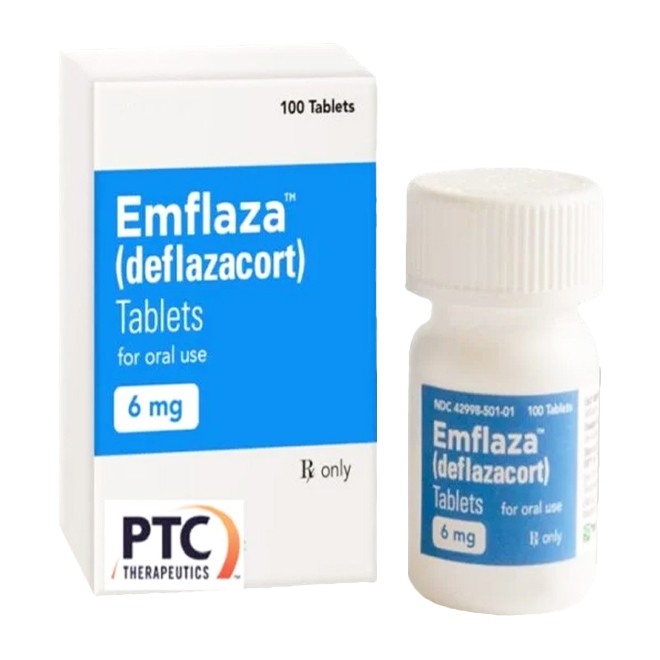
Deflazacort(Emflaza)
Treatment of Duchenne muscular dystrophy (DMD) in patients aged 2 years and...
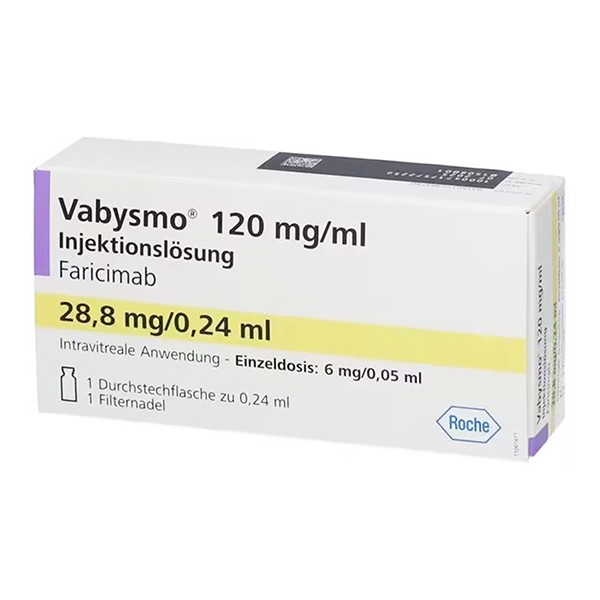
Faricimab-svoa(Vabysmo)
Treatment of neovascular age-related macular degeneration, diabetic macular...
Counselling Service
Global Drug Search
Clinical Research Recruitment
Overseas Medical Treatment
Remote Consultations
Note: Our medical consultant will contact you as soon as possible. We promise to strictly protect your privacy.
Submit
Business
  • Core products
  • Antitumor drugs
  • General drug
  • Antiviral drugs
  • Biological agents
Contact Us 
  • mailbox:info@lucius.la
Welcome to consult
ucius Pharmaceuticals (Lao) Co.,Ltd All rights reserved