info@seagull-health.com
SeagullHealth
语言:
search
new
What Are the Side Effects of Anagrelide (Agrylin)?
503
Article source: Seagull Pharmacy
Sep 23, 2025

Anagrelide (Agrylin) is a specific drug used for the treatment of secondary thrombocythemia associated with myeloproliferative neoplasms. It reduces the risk of thrombosis by lowering platelet count. In its clinical application, strict vigilance must be maintained against side effects such as cardiovascular toxicity and bleeding risk.

What Are the Side Effects of Anagrelide (Agrylin)?

Systemic Reactions

High incidence (≥5%): Weakness (23%), edema (21%), pain (15%), fever (9%), peripheral edema (9%), malaise (6%).

Some patients may experience flu-like symptoms or chills.

Cardiovascular System

Palpitations (26%) and tachycardia (8%) are the most common.

Other reactions: Chest pain (8%), arrhythmia, angina pectoris, orthostatic hypotension.

Digestive System

Diarrhea (26%), nausea (17%), and abdominal pain (16%) are the main manifestations.

Minor reactions: Vomiting (10%), abdominal distension (10%), decreased appetite (8%), dyspepsia (5%).

Nervous System

Headache (44%) has the highest incidence and may persist.

Others: Dizziness (15%), paresthesia (6%), drowsiness or insomnia.

Respiratory System

Dyspnea (12%) and cough (6%) are relatively common.

A small number of patients may experience epistaxis or pneumonia.

Severe Side Effects of Anagrelide (Agrylin) That Require High Vigilance

Cardiovascular Toxicity

QT interval prolongation: May lead to torsades de pointes. An electrocardiogram must be completed before medication.

Heart failure risk: The phosphodiesterase 3 (PDE3) inhibitory effect may exacerbate heart failure.

Clinical management: Avoid use in patients with congenital long QT syndrome.

Regular monitoring of electrolytes (especially blood potassium).

Pulmonary Hypertension and Pulmonary Toxicity

Pulmonary hypertension: Treatment can only be initiated after evaluating underlying cardiopulmonary diseases.

Interstitial lung disease: Manifested as progressive dyspnea, which may occur 1 week to several years after medication initiation.

Bleeding Risk

Combination with aspirin: The incidence of major bleeding events increases significantly.

High-risk groups: Patients using anticoagulants/antiplatelet drugs concurrently, and elderly patients.

Other Severe Reactions

Pancreatitis: Rarely reported in clinical trials.

Hepatotoxicity: Significant elevation of alanine transaminase (ALT)/aspartate transaminase (AST) may occur.

Tubulointerstitial nephritis: Rare, but renal function monitoring is necessary.

Precautions for Anagrelide (Agrylin) Use

Drug Interactions

QT-prolonging drugs: Chloroquine, clarithromycin, amiodarone, etc. (concurrent use is absolutely prohibited).

PDE3 inhibitors: Milrinone, cilostazol (may exacerbate cardiovascular side effects).

CYP1A2 inhibitors: Fluvoxamine, ciprofloxacin (may increase plasma drug concentration).

Medication in Special Populations

Pregnant women: Animal experiments have shown fetal growth retardation; the pros and cons must be weighed.

Lactating women: The drug can be excreted in breast milk; breastfeeding is prohibited during treatment.

Elderly patients: No dose adjustment is required, but enhanced cardiovascular monitoring is necessary.

Clinical Monitoring Requirements

Platelet count: Monitor every 2 days in the first week of treatment, then once a week until stable.

Cardiovascular assessment: An electrocardiogram is mandatory before treatment, and rechecks are required every 3-6 months thereafter.

Liver function: Monthly testing is required for patients with moderate to severe liver impairment.

Note: For internal discussion among medical personnel only. For specific medication, please consult the attending physician. Drug information may change over time. For the latest information, we recommend adding a medical consultant or consulting for free online.
Recommended Articles
How Effective is Ongentys (Opicapone) in Treatment?
As a novel adjunctive medication for the treatment of Parkinson's disease, Ongentys (opicapone) has been widely used in clinical practice in recent years.How Effective is Ongentys (Opicapone) in T...
Precautions for Ongentys (Opicapone) Administration
Ongentys (opicapone) is a selective and reversible peripheral catechol-O-methyltransferase (COMT) inhibitor. Used as an adjunctive therapeutic agent to levodopa/carbidopa, it is indicated for improvin...
How to Use Ongentys (Opicapone)
Ongentys (Opicapone) is a selective and reversible catechol-O-methyltransferase inhibitor. Used as an adjunctive treatment to levodopa/carbidopa, it is indicated for improving "off" episodes...
Indications for Ongentys (Opicapone)
Ongentys (Opicapone) is a selective and reversible catechol-O-methyltransferase (COMT) inhibitor, providing an important adjunctive treatment option for managing "off" episodes in patients w...
What are the Side Effects of Opicapone (Ongentys)?
Opicapone (Ongentys) is used as an adjunctive medication in the treatment of Parkinson's disease. It prolongs the efficacy of levodopa by inhibiting the COMT enzyme; however, its use requires stri...
What are the Side Effects of Opicapone (Ongentys)?
Opicapone (Ongentys) is used as an adjunctive medication in the treatment of Parkinson's disease. It prolongs the efficacy of levodopa by inhibiting the COMT enzyme; however, its use requires stri...
How to Use Enasidenib
Enasidenib is an isocitrate dehydrogenase-2 (IDH2) inhibitor indicated for the treatment of adult patients with relapsed or refractory acute myeloid leukemia (AML) who harbor an IDH2 mutation.How to U...
Indications for Anagrelide (Agrylin)
Anagrelide (Agrylin) is a thrombocytopenic agent primarily indicated for the treatment of thrombocythemia caused by myeloproliferative neoplasms.Indications for Anagrelide (Agrylin)Reducing Elevated P...
Related Articles
Dosage and Administration, Recommended Dosage of Capmatinib (Tabrecta)
Capmatinib (Tabrecta) is a highly selective MET inhibitor, offering a precision treatment option for patients with metastatic non-small cell lung cancer (NSCLC) harboring MET exon 14 skipping mutation...
What Are the Indications for Capmatinib (Tabrecta)?
Capmatinib (Tabrecta) is a targeted therapy medication that plays an important role in the treatment of non-small cell lung cancer associated with specific gene mutations. As a MET kinase inhibitor, i...
What Are the Purchase Channels for Capmatinib (Tabrecta)?
Capmatinib (Tabrecta) is a highly selective MET inhibitor that has demonstrated significant efficacy in patients with metastatic non-small cell lung cancer (NSCLC) harboring MET exon 14 skipping mutat...
Adverse Reactions of Ivosidenib (Tibsovo)
Ivosidenib (Tibsovo) is an isocitrate dehydrogenase 1 (IDH1) inhibitor, primarily indicated for the treatment of patients with acute myeloid leukemia, myelodysplastic syndromes, and cholangiocarcinoma...
What Are the Precautions for Using Ivosidenib (Tibsovo)?
Ivosidenib (Tibsovo) is a targeted therapy medication primarily indicated for the treatment of patients with malignant hematologic diseases harboring specific gene mutations.What Are the Precautions f...
Dosage and Administration, Recommended Dosage of Ivosidenib (Tibsovo)
Ivosidenib (Tibsovo) is a targeted isocitrate dehydrogenase 1 (IDH1) inhibitor that demonstrates significant value in the treatment of malignant tumors with specific gene mutations.Dosage and Administ...
What Are the Indications for Ivosidenib (Tibsovo)?
Ivosidenib (Tibsovo) is an oral isocitrate dehydrogenase-1 (IDH1) inhibitor indicated for patients with various malignant tumors harboring specific IDH1 gene mutations. By inhibiting the activity of m...
What Are the Purchase Channels for Ivosidenib (Tibsovo)?
Ivosidenib (Tibsovo) is an important targeted therapy drug against IDH1 mutations, demonstrating significant efficacy in diseases such as acute myeloid leukemia and cholangiocarcinoma. For patients in...
New Drugs
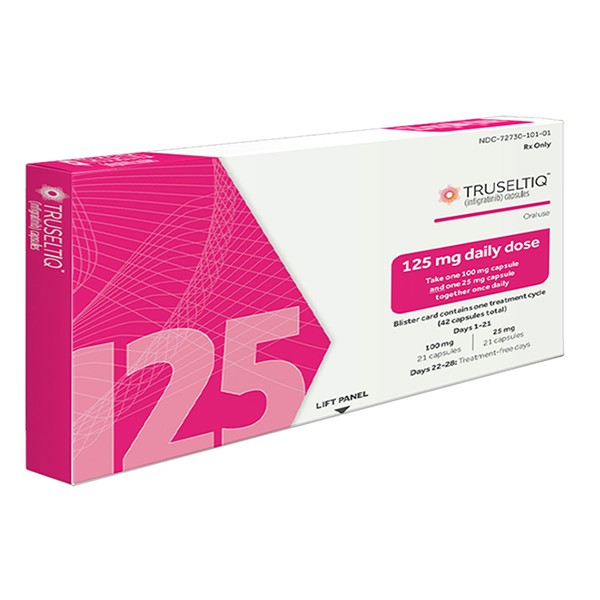
Infigratinib(Truseltiq)
Treatment of previously treated, unresectable locally advanced or metastatic...
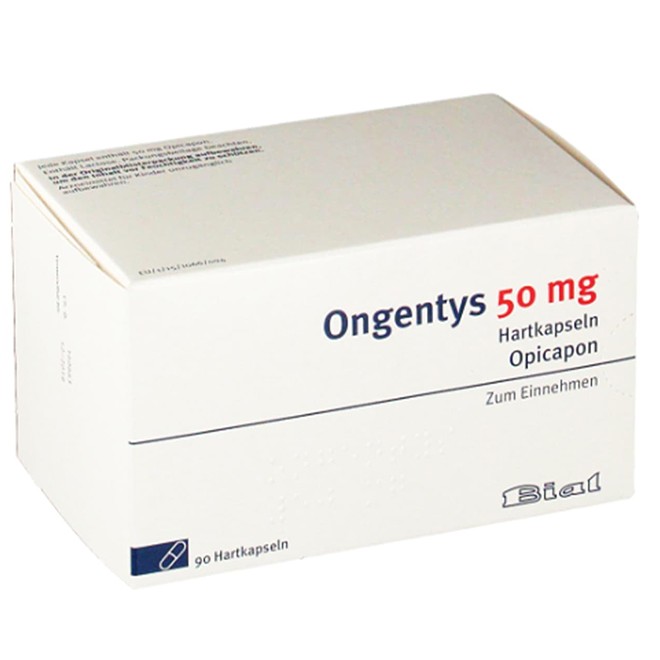
Opicapone(Ongentys)
Opicapone(Ongentys)
Adjunctive treatment to levodopa/carbidopa for reducing "off" episodes in...
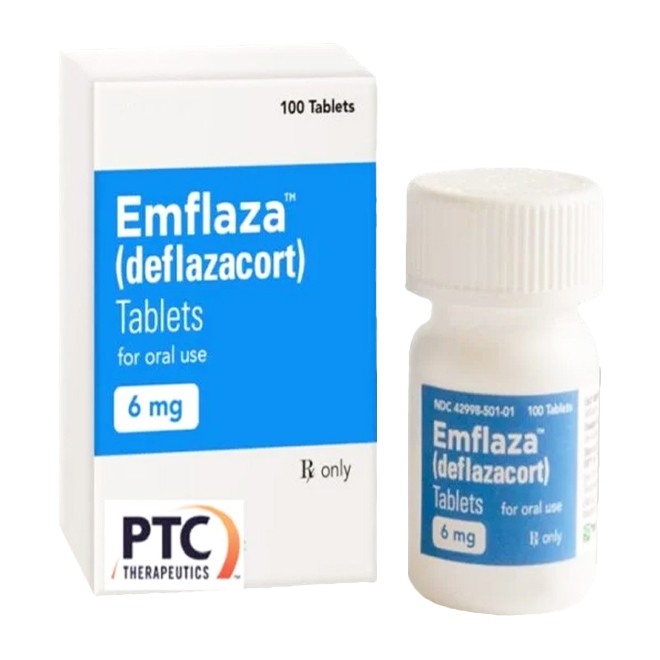
Deflazacort(Emflaza)
Treatment of Duchenne muscular dystrophy (DMD) in patients aged 2 years and...
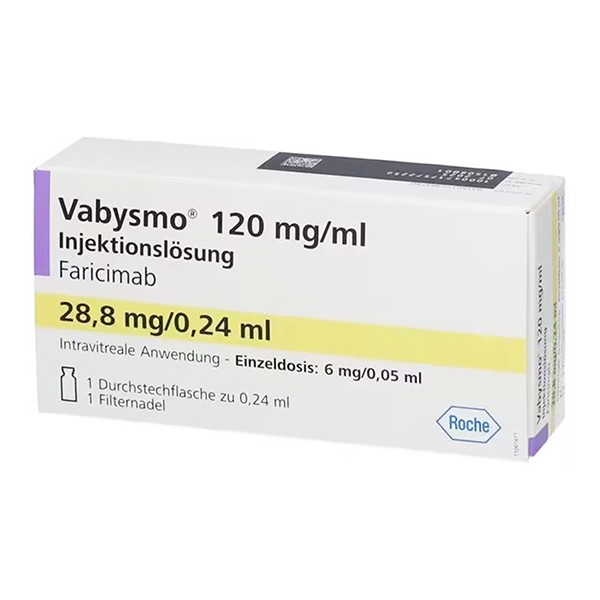
Faricimab-svoa(Vabysmo)
Treatment of neovascular age-related macular degeneration, diabetic macular...
Counselling Service
Global Drug Search
Clinical Research Recruitment
Overseas Medical Treatment
Remote Consultations
Note: Our medical consultant will contact you as soon as possible. We promise to strictly protect your privacy.
Submit
Business
  • Core products
  • Antitumor drugs
  • General drug
  • Antiviral drugs
  • Biological agents
Contact Us 
  • mailbox:info@lucius.la
Welcome to consult
ucius Pharmaceuticals (Lao) Co.,Ltd All rights reserved