info@seagull-health.com
SeagullHealth
语言:
search
new
What Are the Side Effects of Dimethyl Fumarate (Tecfidera)?
502
Article source: Seagull Pharmacy
Oct 28, 2025

Dimethyl Fumarate (Tecfidera) is an oral medication used to treat relapsing forms of multiple sclerosis (MS), including clinically isolated syndrome, relapsing-remitting disease, and active secondary progressive disease.

What Are the Side Effects of Dimethyl Fumarate (Tecfidera)?

Skin Reactions

Approximately 40% of patients experience flushing (symptoms including fever, redness, itching, and/or a burning sensation). This typically occurs in the early stage of treatment and improves or resolves over time.

Gastrointestinal Reactions

Abdominal pain (18%).

Diarrhea (14%).

Nausea (12%).

Laboratory Abnormalities

Lymphopenia (2%).

Elevated liver enzymes (ALT elevation in 4%, AST elevation in 4%).

Positive urine protein (6%).

Serious Side Effects of Dimethyl Fumarate (Tecfidera) to Be Alert For

Allergic Reactions and Angioedema

Dimethyl Fumarate may cause allergic reactions and angioedema, with symptoms including difficulty breathing, hives, and swelling of the throat and tongue.

These reactions may occur after the first dose or at any time during treatment.

If such symptoms appear, discontinue the medication immediately and seek emergency medical assistance.

Progressive Multifocal Leukoencephalopathy (PML)

PML is a rare but serious opportunistic brain infection caused by the JC virus, which usually leads to death or severe disability.

PML cases mainly occur in patients with a lymphocyte count of <0.8×10⁹/L that persists for more than 6 months.

If any suspicious symptoms of PML appear, discontinue the medication immediately and conduct a diagnostic evaluation.

Risk of Severe Infections

Herpes zoster: Including disseminated herpes zoster, herpes zoster ophthalmicus, herpes zoster meningoencephalitis, etc.

Other opportunistic infections: Viral infections such as herpes simplex virus, West Nile virus, and cytomegalovirus; fungal infections such as Candida and Aspergillus; bacterial infections such as Nocardia, Listeria monocytogenes, and Mycobacterium tuberculosis.

Severe infections may occur in patients with normal or decreased lymphocyte counts. When infection symptoms appear, consider suspending treatment until the infection resolves.

Lymphopenia

Dimethyl Fumarate may cause a decrease in lymphocyte count, with approximately 6% of patients experiencing a lymphocyte count of <0.5×10⁹/L.

2% of patients experience persistent severe lymphopenia (lymphocyte count of <0.5×10⁹/L lasting for at least 6 months).

Lymphocyte counts should be monitored before treatment, 6 months after the start of treatment, and every 6–12 months thereafter.

Precautions for Dimethyl Fumarate (Tecfidera) Administration

Administration in Special Populations

Pregnancy: Animal studies have shown adverse effects on offspring survival, growth, sexual maturation, and neurobehavioral function. The use during pregnancy requires weighing the pros and cons.

Lactation: There is no data on whether the drug is excreted into human milk. A cautious decision should be made on whether to discontinue the medication or stop breastfeeding.

Children: The efficacy in pediatric patients has not been established.

Elderly: Clinical studies did not include a sufficient number of patients aged 65 years and above.

Monitoring Requirements

Before treatment: Complete blood count (including lymphocyte count), liver function tests (ALT, AST, ALP, and total bilirubin).

During treatment: Monitor lymphocyte count every 6 months.

Monitor liver function as clinically needed.

Monitor for signs and symptoms of infection.

Drug Interactions

Strong/moderate CYP1A2 inhibitors may increase the blood concentration of Tecfidera.

Moderate CYP1A2 inducers and smoking may reduce the efficacy of Tecfidera.

Concomitant use with non-enteric-coated aspirin can alleviate flushing symptoms.

Note: For internal discussion among medical personnel only. For specific medication, please consult the attending physician. Drug information may change over time. For the latest information, we recommend adding a medical consultant or consulting for free online.
Recommended Articles
Precautions for Dimethyl Fumarate (Tecfidera) Administration
Dimethyl Fumarate (Tecfidera) is an oral medication used to treat relapsing forms of multiple sclerosis (MS). It is indicated for adult patients with clinically isolated syndrome, relapsing-remitting ...
Indications for Dimethyl Fumarate (Tecfidera)
Dimethyl Fumarate (Tecfidera) is an oral medication approved by the U.S. FDA for the treatment of relapsing forms of multiple sclerosis (MS). As a delayed-release capsule, it regulates the immune resp...
How to Purchase Dimethyl Fumarate (Tecfidera)
Dimethyl Fumarate (Tecfidera) is a prescription medication used to treat relapsing forms of multiple sclerosis (MS), with its main active ingredient being dimethyl fumarate. As a specialized therapeut...
What Are the Side Effects of Voranigo?
Voranigo is a targeted therapeutic drug for IDH1/2-mutant low-grade gliomas (grade 2 astrocytomas or oligodendrogliomas). As a new type of isocitrate dehydrogenase inhibitor, its efficacy has been ver...
How to Purchase Nilotinib
Nilotinib (trade name: Tasigna®) is a targeted drug used for the treatment of Philadelphia chromosome-positive chronic myeloid leukemia (Ph+CML). Due to its specific indications and potential severe s...
How to Use Nilotinib
Nilotinib is an inhibitor that targets the Bcr-Abl kinase, primarily indicated for the treatment of adult patients with Philadelphia chromosome-positive chronic myeloid leukemia (CML) who are resistan...
Precautions for Nilotinib Administration
Nilotinib is a second-generation inhibitor targeting Bcr-Abl tyrosine kinase, primarily indicated for the treatment of adult patients with Philadelphia chromosome-positive chronic myeloid leukemia (Ph...
What Are the Side Effects of Nilotinib?
Nilotinib is a tyrosine kinase inhibitor used for the treatment of Philadelphia chromosome-positive chronic myeloid leukemia (CML), primarily indicated for adult patients in the chronic phase and acce...
Related Articles
Dosage and Administration, Recommended Dosage of Capmatinib (Tabrecta)
Capmatinib (Tabrecta) is a highly selective MET inhibitor, offering a precision treatment option for patients with metastatic non-small cell lung cancer (NSCLC) harboring MET exon 14 skipping mutation...
What Are the Indications for Capmatinib (Tabrecta)?
Capmatinib (Tabrecta) is a targeted therapy medication that plays an important role in the treatment of non-small cell lung cancer associated with specific gene mutations. As a MET kinase inhibitor, i...
What Are the Purchase Channels for Capmatinib (Tabrecta)?
Capmatinib (Tabrecta) is a highly selective MET inhibitor that has demonstrated significant efficacy in patients with metastatic non-small cell lung cancer (NSCLC) harboring MET exon 14 skipping mutat...
Adverse Reactions of Ivosidenib (Tibsovo)
Ivosidenib (Tibsovo) is an isocitrate dehydrogenase 1 (IDH1) inhibitor, primarily indicated for the treatment of patients with acute myeloid leukemia, myelodysplastic syndromes, and cholangiocarcinoma...
What Are the Precautions for Using Ivosidenib (Tibsovo)?
Ivosidenib (Tibsovo) is a targeted therapy medication primarily indicated for the treatment of patients with malignant hematologic diseases harboring specific gene mutations.What Are the Precautions f...
Dosage and Administration, Recommended Dosage of Ivosidenib (Tibsovo)
Ivosidenib (Tibsovo) is a targeted isocitrate dehydrogenase 1 (IDH1) inhibitor that demonstrates significant value in the treatment of malignant tumors with specific gene mutations.Dosage and Administ...
What Are the Indications for Ivosidenib (Tibsovo)?
Ivosidenib (Tibsovo) is an oral isocitrate dehydrogenase-1 (IDH1) inhibitor indicated for patients with various malignant tumors harboring specific IDH1 gene mutations. By inhibiting the activity of m...
What Are the Purchase Channels for Ivosidenib (Tibsovo)?
Ivosidenib (Tibsovo) is an important targeted therapy drug against IDH1 mutations, demonstrating significant efficacy in diseases such as acute myeloid leukemia and cholangiocarcinoma. For patients in...
New Drugs
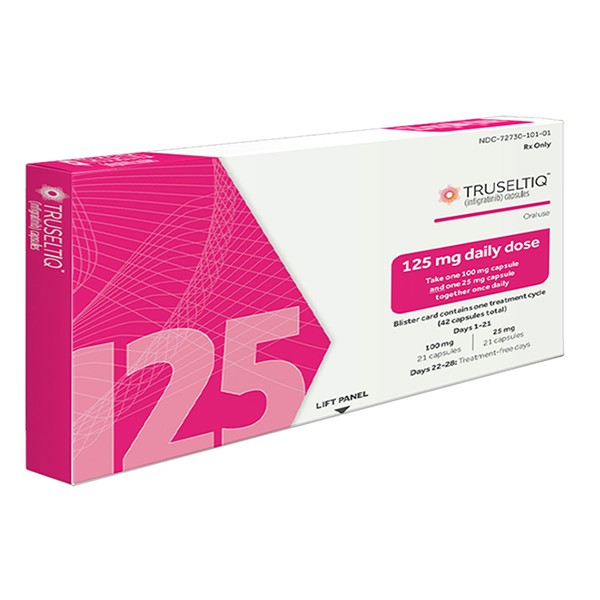
Infigratinib(Truseltiq)
Treatment of previously treated, unresectable locally advanced or metastatic...
Opicapone(Ongentys)
Opicapone(Ongentys)
Adjunctive treatment to levodopa/carbidopa for reducing "off" episodes in...
Deflazacort(Emflaza)
Treatment of Duchenne muscular dystrophy (DMD) in patients aged 2 years and...
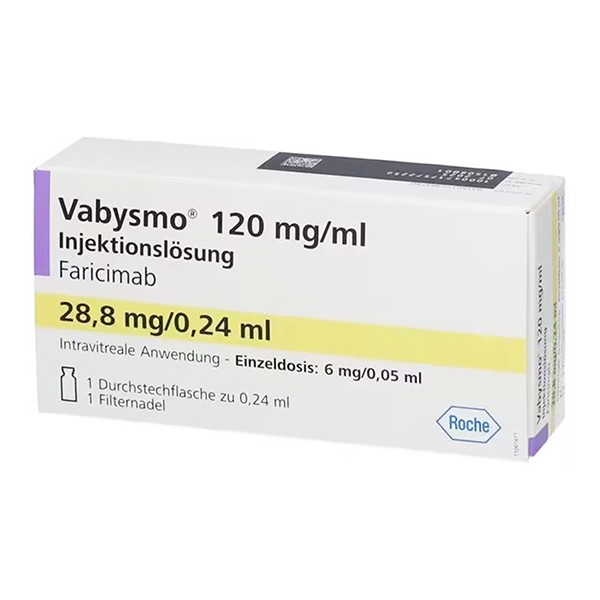
Faricimab-svoa(Vabysmo)
Treatment of neovascular age-related macular degeneration, diabetic macular...
Counselling Service
Global Drug Search
Clinical Research Recruitment
Overseas Medical Treatment
Remote Consultations
Note: Our medical consultant will contact you as soon as possible. We promise to strictly protect your privacy.
Submit
Business
  • Core products
  • Antitumor drugs
  • General drug
  • Antiviral drugs
  • Biological agents
Contact Us 
  • mailbox:info@lucius.la
Welcome to consult
ucius Pharmaceuticals (Lao) Co.,Ltd All rights reserved