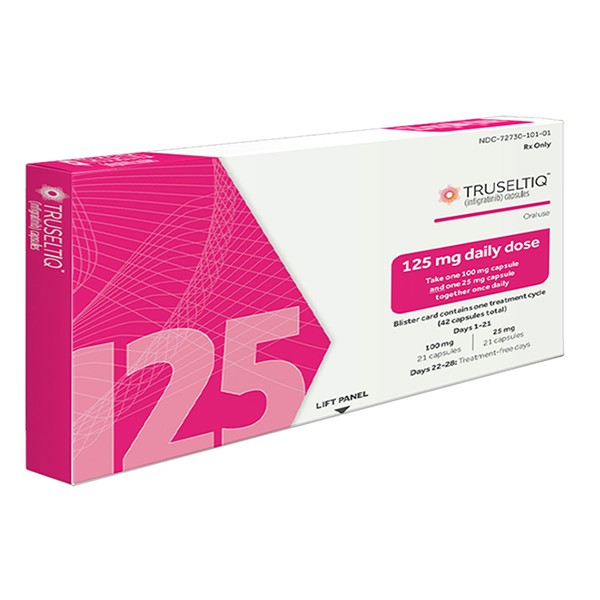


Mobocertinib (Exkivity) is a targeted therapy used for the treatment of non-small cell lung cancer with specific EGFR mutations. While it exerts therapeutic effects, it may also cause a range of side effects.
I. Common Side Effects of Mobocertinib (Exkivity)
1. Cardiac-related Side Effects
(1) The medication may cause QT interval prolongation, leading to arrhythmia, dizziness, or syncope. In rare cases, life-threatening ventricular arrhythmias may occur.
(2) Additionally, a decline in cardiac function may manifest as shortness of breath, chest pain, ankle edema, or abnormal heart rhythms.
2. Pulmonary Side Effects
(1) It may cause interstitial lung disease or pneumonia, with symptoms including new or worsening cough, difficulty breathing, chest pain, or fever.
(2) This is a serious adverse reaction that requires high vigilance.
3. Gastrointestinal Side Effects
(1) Diarrhea is the most common adverse reaction, with a high incidence and may be severe, easily leading to dehydration and electrolyte imbalance.
(2) Others include nausea, vomiting, decreased appetite, stomatitis, and weight loss.
4. Skin and Nail Side Effects
(1) Rashes, dry skin, pruritus, paronychia (infection around the nail bed), and alopecia are relatively common.
(2) Rashes vary in morphology, ranging from mild erythema to acne-like eruptions.
5. Other Systemic Side Effects
(1) Patients often experience fatigue or weakness. Muscle or joint pain may occur.
(2) Abnormal laboratory tests include lymphopenia, elevated amylase/lipase, decreased potassium/magnesium levels, increased serum creatinine, and elevated transaminases.
II. Practical Methods to Alleviate Side Effects
1. Management of Cardiac and Pulmonary Issues
(1) During treatment, regular monitoring of electrocardiograms (ECG) and electrolytes should be conducted as directed by a healthcare provider.
(2) If new symptoms such as palpitations, dizziness, difficulty breathing, or chest pain occur, seek medical attention immediately without delay.
(3) If interstitial lung disease is suspected, the doctor may order immediate discontinuation of the medication and conduct further evaluation.
2. Management of Gastrointestinal Discomfort
(1) At the first occurrence of diarrhea, promptly start taking antidiarrheal medication (e.g., loperamide) and increase fluid and electrolyte intake to prevent dehydration.
(2) For nausea and vomiting, adjust dietary habits by eating small, frequent meals and avoiding greasy foods.
(3) Patients with stomatitis can use a mild mouthwash to maintain oral cleanliness.
3. Skin and Nail Care
(1) Keep the skin clean and moisturized, using mild, non-irritating skincare products.
(2) Avoid scratching when a rash appears; consult a doctor for topical medication if necessary.
(3) Pay attention to hand hygiene when handling paronychia, wear loose footwear, and seek professional care if needed.
(4) Incorporate daily sun protection.
4. Improvement of Overall Well-being
(1) To combat fatigue, balance activity and rest with mild exercise such as walking.
(2) A balanced diet with small, frequent meals helps maintain strength and weight.
(3) If pain affects daily life, inform the doctor for appropriate analgesic medication.
5. Regular Monitoring and Communication
(1) Strictly follow medical advice and attend regular follow-up appointments for blood tests, liver and kidney function tests, and ECG monitoring.
(2) Develop a habit of recording daily symptoms (e.g., frequency of bowel movements, rash condition, level of fatigue) and communicate detailed information to the doctor during follow-ups to facilitate timely adjustment of the treatment plan.
III. Storage Requirements for Mobocertinib (Exkivity)
1. Storage Environment
(1) The medication should be stored at room temperature, with an ideal temperature range of 20°C to 25°C (68°F to 77°F).
(2) For short-term transport, temporary exposure to an environment of 15°C to 30°C (59°F to 86°F) is acceptable.
2. Safety Precautions
(1) Ensure all medications are kept out of the reach and sight of children to prevent accidental ingestion.
(2) Keep the medication bottle tightly closed in its original packaging to avoid light and moisture.
3. Disposal and Transport
(1) Do not use expired medication.
(2) When traveling, carry the medication personally and avoid placing it in checked luggage to prevent extreme temperatures from affecting efficacy.


Free Inquiry