info@seagull-health.com
SeagullHealth
语言:
search
new
Dosage and Administration of Dalfampridine Extended-Release Tablets (Fampyra)
518
Article source: Seagull Pharmacy
Jan 22, 2026

Dalfampridine Extended-Release Tablets (Fampyra) are a potassium channel blocker indicated to improve walking ability in adult patients with multiple sclerosis (MS).

Dosage and Administration of Dalfampridine Extended-Release Tablets (Fampyra)

Recommended Dosage and Administration Regimen

The maximum recommended dose of dalfampridine extended-release tablets is 10 mg twice daily, with doses separated by approximately 12 hours.

The total daily dose should not exceed 20 mg (equivalent to 2 tablets).

Clinical studies have shown that doses higher than this (e.g., 15 mg twice daily) do not provide additional therapeutic benefits; instead, they significantly increase the risk of adverse reactions (especially seizures) and the rate of treatment discontinuation.

Administration Method

This medication may be taken with or without food.

Tablets must be swallowed whole. Do not divide, crush, chew, or dissolve them.

Disruption of the extended-release structure will cause rapid drug release and a sharp rise in plasma drug concentration, which greatly increases the risk of seizures.

Missed Dose Management

If a dose is missed, do not take a make-up dose or double the next scheduled dose.

Patients should simply take the next dose at the regular time.

Pre-treatment and On-treatment Assessments

Estimated creatinine clearance (CrCl) must be assessed in patients before initiating dalfampridine treatment.

During treatment, renal function (CrCl) monitoring is recommended at least once a year.

This requirement is based on the fact that drug elimination is primarily dependent on the kidneys, and renal function status directly affects plasma drug concentration and treatment safety.

Dosage Adjustment of Dalfampridine Extended-Release Tablets (Fampyra)

Mild Renal Impairment (CrCl 51–80 mL/min)

In patients with this condition, plasma drug concentrations when taking the standard dose (10 mg twice daily) may approach the levels observed with 15 mg twice daily (i.e., 1.5 times the maximum recommended dose), which may increase the risk of seizures.

Before starting treatment, physicians must carefully weigh the potential benefits of medication against the risk of seizures.

No dosage adjustment is required, but enhanced monitoring and assessment are necessary.

Moderate to Severe Renal Impairment (CrCl ≤ 50 mL/min)

Dalfampridine extended-release tablets are contraindicated in patients with this condition.

Significant renal function decline will lead to drug accumulation in the body, causing a substantial increase in plasma drug concentration and a very high risk of severe adverse reactions.

As only the 10 mg tablet strength is currently available, lower doses cannot be administered. Therefore, this medication should not be used in such patients.

Use in Special Populations of Dalfampridine Extended-Release Tablets (Fampyra)

Geriatric Use

Geriatric patients are more likely to have concomitant renal function decline.

Renal function status must be fully considered during medication use to avoid the risk of drug accumulation.

Pregnancy

Sufficient data on the use of dalfampridine in pregnant women are currently lacking.

Use during pregnancy may be considered only if the potential benefit justifies the potential risk to the fetus.

Use in Patients with Hepatic Impairment

Dalfampridine is primarily excreted unchanged via the kidneys, and hepatic metabolism is not the main elimination pathway.

Hepatic impairment is not expected to significantly affect its pharmacokinetics, so dosage adjustment is generally not required.

However, clinical medication use should still be comprehensively determined based on the patient’s overall condition.

Note: For internal discussion among medical personnel only. For specific medication, please consult the attending physician. Drug information may change over time. For the latest information, we recommend adding a medical consultant or consulting for free online.
Recommended Articles
What Are the Indications for Dalfampridine Extended-Release Tablets (Fampyra)?
Dalfampridine Extended-Release Tablets (Fampyra) is a prescription medication developed by Acorda Therapeutics, which was first approved for marketing in the United States in 2010. A potassium channel...
What Are the Purchase Channels for Fampridine Sustained-Release Tablets (Fampyra)?
Fampridine Sustained-Release Tablets (Fampyra) is a prescription medication indicated for improving walking ability in patients with multiple sclerosis (MS). Patients are most concerned about its purc...
Adverse Reactions of Encorafenib (Braftovi)
Encorafenib (Braftovi) is a kinase inhibitor targeting BRAFV600E or V600K mutations, indicated for the treatment of specific types of melanoma, colorectal cancer, and non-small cell lung cancer. While...
What Are the Precautions for Encorafenib (Braftovi) Administration?
Encorafenib (Braftovi) is a kinase inhibitor targeting BRAF V600E or V600K mutations, indicated for use in combination with drugs such as binimetinib or cetuximab for the treatment of specific types o...
What Are the Purchase Channels for Cenobamat?
Cenobamat is a novel antiepileptic drug indicated for the treatment of partial-onset seizures in adults. Owing to its remarkable efficacy, an increasing number of patients and their families have begu...
What Are the Indications for Cenobamat?
Cenobamat is an oral antiepileptic drug primarily indicated for the treatment of partial-onset seizures in adults. First approved in the United States in 2019, it is classified as a novel antiepilepti...
Dosage and Administration of Cenobamat: Recommended Dosage
Cenobamat is a prescription medication indicated for the treatment of focal-onset seizures in adult patients. Proper administration of this drug is crucial to ensure therapeutic efficacy and minimize ...
Dosage and Administration, Recommended Dosage of Opicapone (Ongentys)
Opicapone (Ongentys) is a novel, highly selective and reversible peripheral catechol-O-methyltransferase (COMT) inhibitor, which was approved for marketing in the United States in 2020.Dosage and Admi...
Related Articles
Mercaptopurine Tablets: Side Effect Management and Storage Guidelines
Mercaptopurine is a chemotherapy drug used to treat acute lymphoblastic leukemia. Understanding its side effects, mastering relief methods, and proper storage are crucial for treatment safety.1. Commo...
Indications, contraindications, and use in special populations for Mercaptopurine Tablets
Mercaptopurine is a chemotherapy drug used to treat acute lymphoblastic leukemia. Clarifying its indications, contraindications, and key points for use in special populations is crucial for treatment ...
Major Side Effects of Cevimeline
Cevimeline is used to improve dry mouth caused by Sjögren's syndrome, but it may cause various side effects when used.I. Major Side Effects of Cevimeline1. Digestive System Side Effects(1) The mos...
Cevimeline: Indications, Contraindications, and Use in Special Populations
Cevimeline is a cholinergic agonist that primarily promotes salivation by stimulating M receptors in the salivary glands.I. Indications1. Core IndicationCevimeline is indicated only for the improvemen...
Indications of Infigratinib
Infigratinib is an oral kinase inhibitor targeting FGFR2, indicated for patients with specific gene mutations in cholangiocarcinoma.I. Indications1. Infigratinib is indicated for adult patients with p...
Common Side Effects of Infigratinib
Infigratinib has shown clear efficacy in the treatment of FGFR2-mutant cholangiocarcinoma, but may also cause various side effects.I. Common Side Effects1. Ocular Side Effects:(1) The most common ocul...
What is Momelotinib?
Momelotinib is an oral kinase inhibitor indicated for the treatment of adults with intermediate or high-risk myelofibrosis with anemia, including primary and secondary myelofibrosis.I. What is Momelot...
What are the common side effects of Momelotinib
Momelotinib is a targeted therapy used for the treatment of intermediate/high-risk myelofibrosis with anemia. Understanding its common side effects, mastering management strategies, and proper storage...
New Drugs
Infigratinib(Truseltiq)
Treatment of previously treated, unresectable locally advanced or metastatic...
Opicapone(Ongentys)
Opicapone(Ongentys)
Adjunctive treatment to levodopa/carbidopa for reducing "off" episodes in...
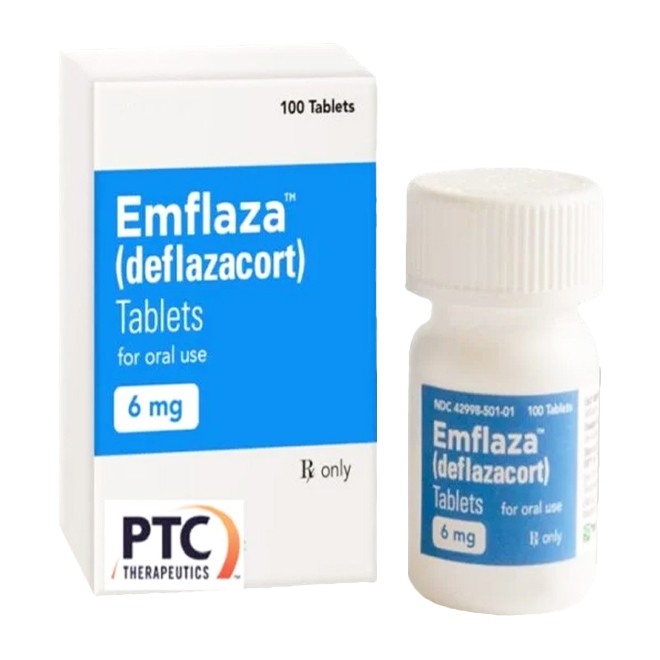
Deflazacort(Emflaza)
Treatment of Duchenne muscular dystrophy (DMD) in patients aged 2 years and...
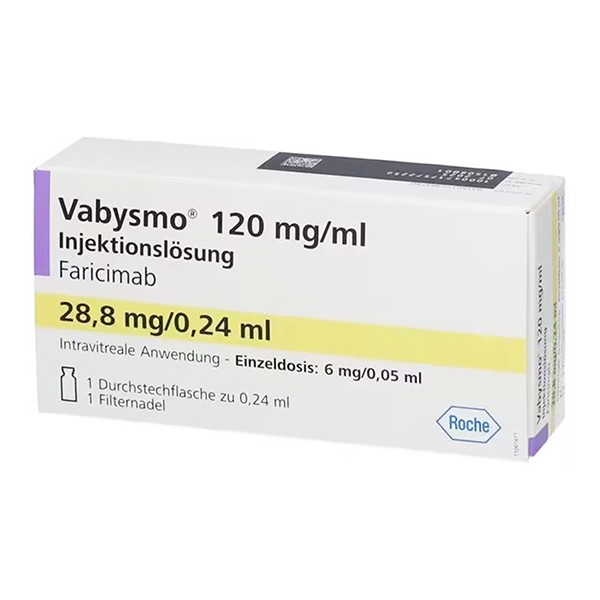
Faricimab-svoa(Vabysmo)
Treatment of neovascular age-related macular degeneration, diabetic macular...
Counselling Service
Global Drug Search
Clinical Research Recruitment
Overseas Medical Treatment
Remote Consultations
Note: Our medical consultant will contact you as soon as possible. We promise to strictly protect your privacy.
Submit
Business
  • Core products
  • Antitumor drugs
  • General drug
  • Antiviral drugs
  • Biological agents
Contact Us 
  • haiousales@gmail.com
Welcome to consult
Seagull Pharmacy.,Ltd All rights reserved