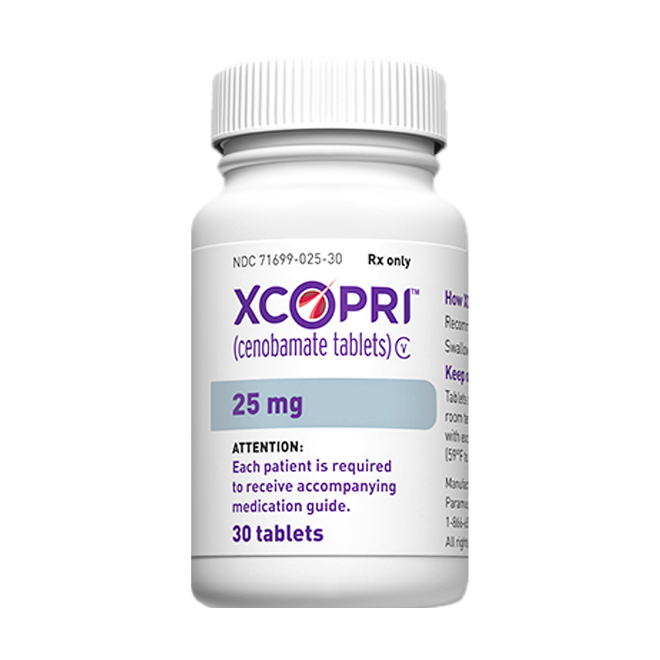


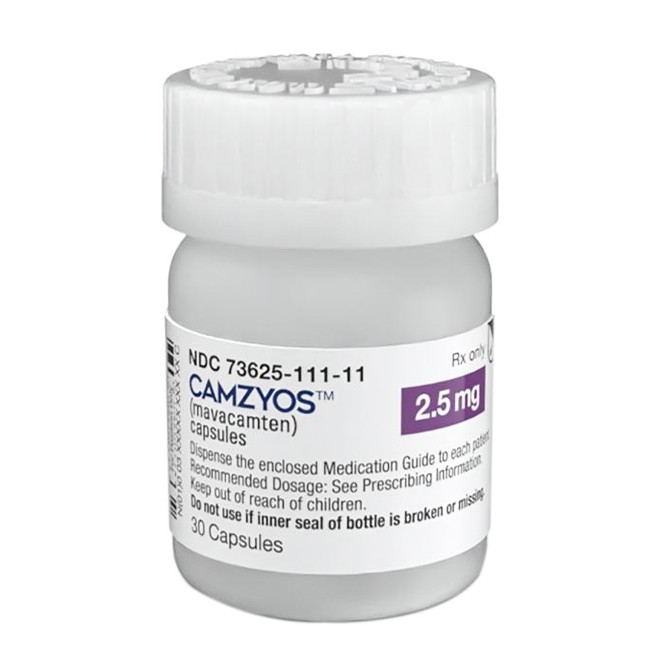
Mavacamten (Camzyos) is a novel cardiac myosin inhibitor indicated for the treatment of adult patients with symptomatic obstructive hypertrophic cardiomyopathy (HCM) of New York Heart Association (NYHA) Functional Class Ⅱ-Ⅲ. By improving patients' functional capacity and relieving their symptoms, this medication provides a new therapeutic option for such patients.
What are the Precautions for Mavacamten (Camzyos) Administration?
Heart Failure Risk Warning
The core risk of mavacamten is its potential to induce heart failure caused by systolic dysfunction.
The drug may reduce left ventricular ejection fraction (LVEF). Initiation of treatment is absolutely contraindicated in patients with an LVEF of <55%.
During treatment, if LVEF drops to <50%, or if patients develop heart failure symptoms or experience clinical deterioration, medication must be discontinued immediately.
Any newly developed or worsened symptoms such as dyspnea, chest pain, fatigue, palpitations, and lower extremity edema warrant prompt assessment of cardiac function.
Drug Interactions
Combination contraindicated: Potent CYP2C19 inhibitors (e.g., fluconazole, fluvoxamine), as well as moderate to potent CYP2C19 or CYP3A4 inducers (e.g., rifampicin, carbamazepine, phenytoin sodium, St. John's wort).
Cautious combination and dose adjustment: When combined with weak to moderate CYP2C19 inhibitors (e.g., omeprazole, esomeprazole) or moderate to potent CYP3A4 inhibitors (e.g., verapamil, diltiazem, clarithromycin), the dose of mavacamten needs to be adjusted and monitoring should be intensified.
Disclosure obligation: Patients must inform their physicians of all medications they are taking, including over-the-counter drugs (e.g., certain gastric medications) and dietary supplements.
Monitoring for Mavacamten (Camzyos) Administration
Echocardiographic Monitoring
Pretreatment baseline assessment: Must include measurements of LVEF and left ventricular outflow tract (LVOT) gradient during the Valsalva maneuver.
Treatment initiation and dose titration phase: In accordance with the algorithms in Figure 1 (Initiation Phase) and Figure 2 (Maintenance Phase), LVEF and LVOT gradient should be assessed regularly at Week 4, Week 8, Week 12 of treatment and other time points to guide dose adjustment. The goal is to achieve an adequate reduction in LVOT gradient while maintaining an LVEF of ≥50%.
Long-term maintenance phase: Even if the dose is stable, clinical status and echocardiography should be re-evaluated every 3 to 6 months.
Guidance for discontinuation and restart: If LVEF is <50%, treatment must be discontinued immediately, and re-evaluation should be performed every 4 weeks until LVEF recovers to ≥50% before considering restarting treatment at a lower dose.
Monitoring of Concomitant Medications and Health Status
Comorbidities: If patients develop comorbid conditions that may affect cardiac function (e.g., severe infection) or cardiac arrhythmias (e.g., atrial fibrillation), dose escalation should be postponed, and discontinuation of mavacamten should be considered.
Avoid specific combinations: Concomitant use with drugs with negative inotropic effects such as diltiazem, ranolazine, and verapamil combined with beta-blockers should be avoided to prevent an increased risk of left ventricular systolic dysfunction and heart failure symptoms.

Free Inquiry