info@seagull-health.com
SeagullHealth
语言:
search
new
Adverse Reactions of Atovaquone (Mepron)
507
Article source: Seagull Pharmacy
Mar 18, 2026

Atovaquone (Mepron) demonstrates significant efficacy in lipid-lowering therapy but may also induce various adverse reactions.

I. Adverse Reactions of Atovaquone (Mepron)

1. Serious Adverse Reactions

1.1 Rhabdomyolysis

(1) Manifestations include muscle pain, weakness, marked elevation of creatine kinase, and increased myoglobin in blood and urine.

(2) In severe cases, it may lead to critical complications such as acute kidney injury.

If any of the above symptoms occur, discontinue the drug immediately and seek medical attention.

1.2 Hepatic Impairment

(1) May cause hepatitis, jaundice, and marked elevation of hepatic enzymes such as AST and ALT.

(2) If AST or ALT persistently exceeds 2.5 times the upper limit of normal or reaches above 100 units, the drug must be discontinued immediately.

Liver function should be monitored regularly during treatment.

1.3 Pancreatitis

(1) Manifested as severe abdominal pain, nausea, vomiting, accompanied by elevated amylase and lipase.

(2) If pancreatitis is suspected, discontinue the drug immediately and initiate medical intervention.

2. Common Adverse Reactions

(1) Hepatic system: Elevated liver enzymes (AST, ALT, γ‑GTP, etc.), occasional hepatomegaly.

(2) Skin reactions: Rash, pruritus, urticaria; alopecia, photosensitivity reaction or erythema multiforme in a few patients.

(3) Gastrointestinal system: Nausea, vomiting, constipation, diarrhea, anorexia, epigastric discomfort, etc.

(4) Renal system: Elevated blood urea nitrogen and creatinine, indicating abnormal renal function.

(5) Musculoskeletal system: Elevated creatine kinase, muscle spasm, stiffness.

(6) Hematological system: Anemia, abnormal leukocytes, abnormal platelets, etc.

(7) Nervous system: Headache, dizziness, fatigue.

(8) Biliary system: Cholelithiasis, cholecystitis.

(9) Others: Positive antinuclear antibody, general malaise, palpitations, edema, taste disturbance, limb numbness, etc.

II. Methods to Alleviate Adverse Reactions of Atovaquone

1. Preventive Measures Before Administration

(1) Comprehensive evaluation: Before treatment, hepatic and renal function and lipid levels should be examined to ensure eligibility for medication.

(2) Starting with low dose: For patients with hepatic or renal dysfunction, the elderly, or high‑risk populations, initiate treatment at the lowest dose (53.3 mg daily).

2. Monitoring and Dose Adjustment During Treatment

(1) Hepatic function: Recheck monthly for the first 3 months, then every 3 months thereafter.

(2) Renal function: Monitor serum creatinine regularly.

(3) Creatine kinase: Test promptly if muscular symptoms occur.

(4) Dose adjustment: Reduce the dose or extend the dosing interval as needed based on test results and symptoms.

3. Management of Adverse Reactions

(1) Mild gastrointestinal reactions: Administration after meals is recommended to reduce gastrointestinal irritation.

If symptoms persist, consult a physician to adjust the timing or dose.

(2) Muscular discomfort: If muscle pain or weakness occurs, measure creatine kinase immediately; discontinue the drug and seek medical advice if necessary.

(3) Rash or allergic reaction: Mild rash may be observed. If it worsens or is accompanied by systemic symptoms, discontinue immediately and seek medical help.

(4) Elevated liver enzymes: Close observation is acceptable for mild elevation; discontinue the drug and recheck liver function for marked elevation.

(5) Renal dysfunction: If elevated creatinine is found, reduce or discontinue the dose according to severity, and investigate whether it is related to rhabdomyolysis.

4. Management of Drug Interactions

(1) Concomitant use with statins: Increased risk; start with low dose and closely monitor renal function and creatine kinase.

(2) Concomitant use with anticoagulants: Monitor coagulation function and adjust anticoagulant dose.

(3) Concomitant use with sulfonylurea antidiabetic agents: Watch for hypoglycemia and monitor blood glucose.

(4) Concomitant use with anion‑exchange resins: Administer at least 1 hour apart or more than 4–6 hours apart.

(5) Concomitant use with cyclosporine: Alert for worsening renal function; monitor renal function regularly.

5. Precautions for Special Populations

(1) Elderly patients: Start with low dose and closely monitor hepatic and renal function.

(2) Patients with hepatic or renal insufficiency: Strictly adjust dose or contraindicate according to guidelines.

(3) Pregnant and lactating women: Contraindicated.

III. Storage Conditions for Atovaquone

1. Storage Requirements

(1) Temperature: Store at room temperature; avoid excessive heat or freezing.

(2) Light protection: Protect from light after opening to prevent discoloration or degradation due to light exposure.

(3) Moisture protection: Avoid humidity after opening; store in a dry place.

2. Packaging and Administration Precautions

(1) PTP package instructions: Remove the tablet from the PTP sheet before administration.

Do not swallow the package directly to avoid esophageal injury.

(2) Shelf life: 3 years. Do not use after the expiration date.

3. Management After Opening

(1) Use as soon as possible after opening to avoid prolonged exposure to air.

(2) Discontinue use if tablets show discoloration, abnormal odor, or deformation.

Note: For internal discussion among medical personnel only. For specific medication, please consult the attending physician. Drug information may change over time. For the latest information, we recommend adding a medical consultant or consulting for free online.
Recommended Articles
Entacapone Medication Guide and Healthy Living Recommendations
Entacapone is an adjunctive medication used in the treatment of Parkinson's disease and must be administered in combination with levodopa/carbidopa.I. Proper Dosage and Administration of Entacapon...
Entacapone User Guide: Side Effects and Management
Entacapone is a medication used for the treatment of Parkinson's disease. It is often used in combination with levodopa/carbidopa to enhance the therapeutic effect of levodopa by inhibiting the CO...
Mobocertinib (Exkivity) Medication Guidance and Health Management
Mobocertinib (Exkivity) is a targeted therapy for non-small cell lung cancer (NSCLC) with specific EGFR exon 20 insertion mutations.I. Dosage and Administration of Mobocertinib (Exkivity)Standard Dosa...
Mobocertinib (Exkivity) Side Effect Management and Medication Storage Guide
Mobocertinib (Exkivity) is a targeted therapy used for the treatment of non-small cell lung cancer with specific EGFR mutations. While it exerts therapeutic effects, it may also cause a range of side ...
Dosage and Administration of Atovaquone (Mepron)
Atovaquone (Mepron) is a fibrate-class lipid-lowering medicationNational Center for Biotechnology Information. Proper use and a healthy lifestyle are critical to maximizing therapeutic efficacy and mi...
Entrectinib (Rozlytrek) Medication Guide: Dosage, Precautions, and Healthy Living
Entrectinib (Rozlytrek) is a targeted kinase inhibitor indicated for the treatment of ROS1‑positive non‑small cell lung cancer (NSCLC) and NTRK gene fusion‑positive solid tumors.I. Dosage and Administ...
Entrectinib (Rozlytrek) Side Effect Management and Storage Guidelines
Entrectinib (Rozlytrek) is a targeted kinase inhibitor with significant efficacy in the treatment of ROS1‑positive non‑small cell lung cancer and NTRK fusion‑positive solid tumors, but it may also cau...
Entrectinib (Rozlytrek) Medication Guide: Indications, Contraindications, and Special Populations
Entrectinib (Rozlytrek) is a targeted kinase inhibitor indicated for the treatment of ROS1‑positive non‑small cell lung cancer and NTRK gene fusion‑positive solid tumors.1. Overview of Entrectinib (Ro...
Related Articles
Mercaptopurine Tablets: Side Effect Management and Storage Guidelines
Mercaptopurine is a chemotherapy drug used to treat acute lymphoblastic leukemia. Understanding its side effects, mastering relief methods, and proper storage are crucial for treatment safety.1. Commo...
Indications, contraindications, and use in special populations for Mercaptopurine Tablets
Mercaptopurine is a chemotherapy drug used to treat acute lymphoblastic leukemia. Clarifying its indications, contraindications, and key points for use in special populations is crucial for treatment ...
Major Side Effects of Cevimeline
Cevimeline is used to improve dry mouth caused by Sjögren's syndrome, but it may cause various side effects when used.I. Major Side Effects of Cevimeline1. Digestive System Side Effects(1) The mos...
Cevimeline: Indications, Contraindications, and Use in Special Populations
Cevimeline is a cholinergic agonist that primarily promotes salivation by stimulating M receptors in the salivary glands.I. Indications1. Core IndicationCevimeline is indicated only for the improvemen...
Indications of Infigratinib
Infigratinib is an oral kinase inhibitor targeting FGFR2, indicated for patients with specific gene mutations in cholangiocarcinoma.I. Indications1. Infigratinib is indicated for adult patients with p...
Common Side Effects of Infigratinib
Infigratinib has shown clear efficacy in the treatment of FGFR2-mutant cholangiocarcinoma, but may also cause various side effects.I. Common Side Effects1. Ocular Side Effects:(1) The most common ocul...
What is Momelotinib?
Momelotinib is an oral kinase inhibitor indicated for the treatment of adults with intermediate or high-risk myelofibrosis with anemia, including primary and secondary myelofibrosis.I. What is Momelot...
What are the common side effects of Momelotinib
Momelotinib is a targeted therapy used for the treatment of intermediate/high-risk myelofibrosis with anemia. Understanding its common side effects, mastering management strategies, and proper storage...
New Drugs
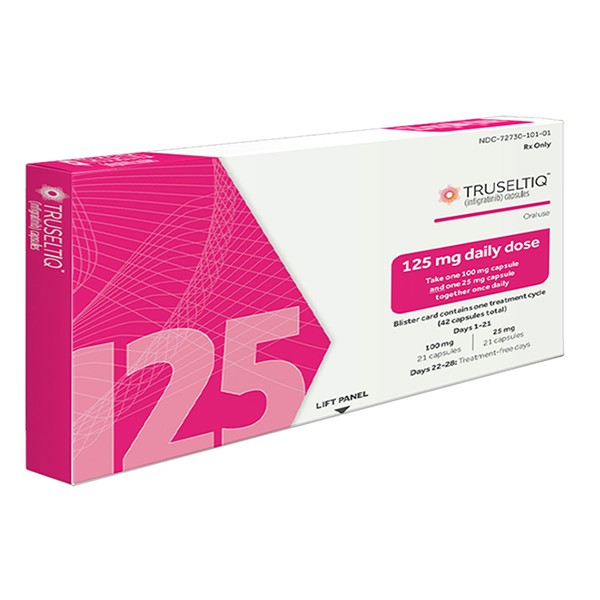
Infigratinib(Truseltiq)
Treatment of previously treated, unresectable locally advanced or metastatic...
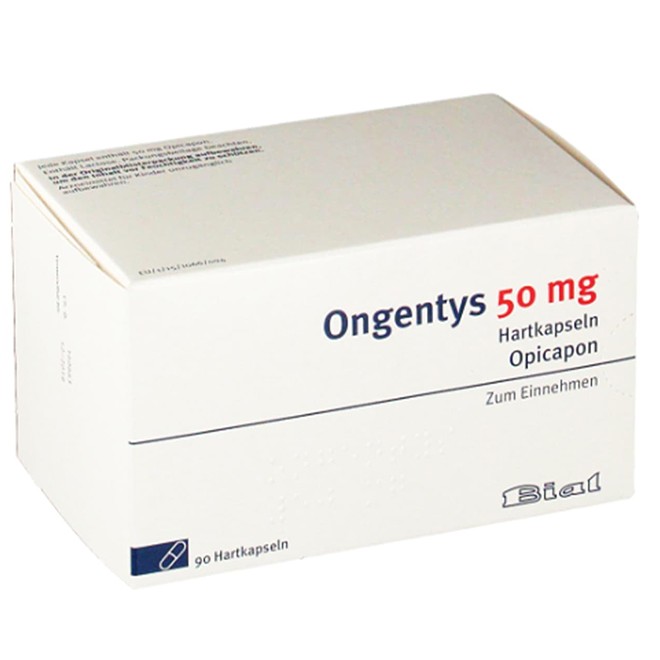
Opicapone(Ongentys)
Opicapone(Ongentys)
Adjunctive treatment to levodopa/carbidopa for reducing "off" episodes in...
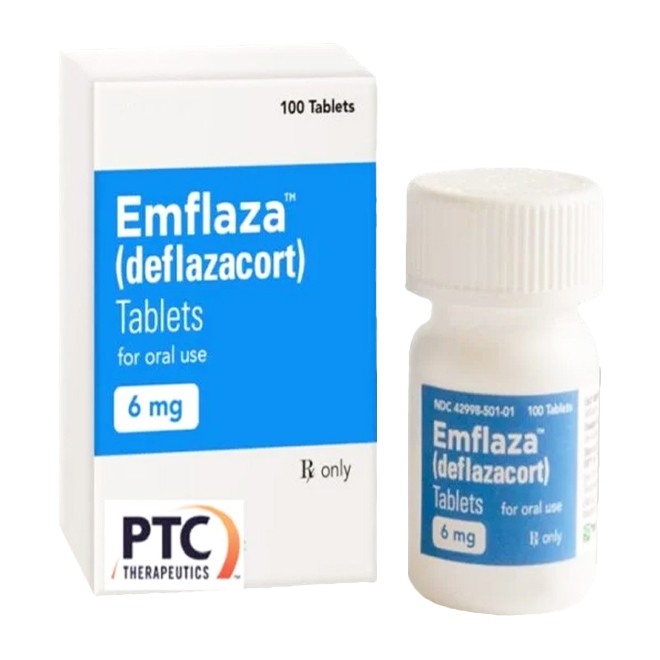
Deflazacort(Emflaza)
Treatment of Duchenne muscular dystrophy (DMD) in patients aged 2 years and...
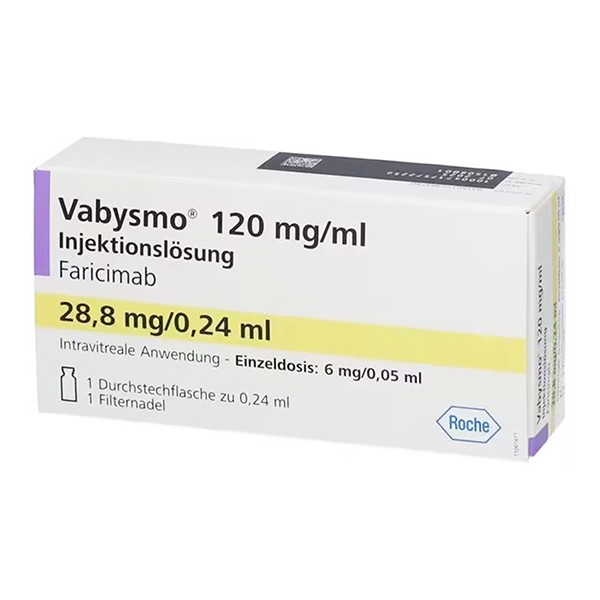
Faricimab-svoa(Vabysmo)
Treatment of neovascular age-related macular degeneration, diabetic macular...
Counselling Service
Global Drug Search
Clinical Research Recruitment
Overseas Medical Treatment
Remote Consultations
Note: Our medical consultant will contact you as soon as possible. We promise to strictly protect your privacy.
Submit
Business
  • Core products
  • Antitumor drugs
  • General drug
  • Antiviral drugs
  • Biological agents
Contact Us 
  • haiousales@gmail.com
Welcome to consult
Seagull Pharmacy.,Ltd All rights reserved