info@seagull-health.com
SeagullHealth
语言:
search
new
Dosage and Administration of Atovaquone (Mepron)
505
Article source: Seagull Pharmacy
Mar 18, 2026

Atovaquone (Mepron) is a fibrate-class lipid-lowering medicationNational Center for Biotechnology Information. Proper use and a healthy lifestyle are critical to maximizing therapeutic efficacy and minimizing risks.

I. Dosage and Administration of Atovaquone (Mepron)

1. Standard Adult Dosage

(1) The usual adult dose is 106.6 mg to 160 mg orally once daily, taken with meals.

(2) Dosage should be adjusted appropriately based on age and symptoms; the total daily dose must not exceed 160 mg.

2. Dosage Adjustment by Hyperlipidemia Type

(1) Type IIb and Type III (elevated cholesterol and triglycerides): Start with 106.6 mg daily. If there are risk factors for ischemic heart disease, the dose may be increased to 159.9 mg–160 mg.

(2) Type IV and Type V (predominantly elevated triglycerides): May start with a low dose of 53.3 mg daily, which has been shown to be effective in studies.

(3) Patients with abnormal liver function or a history of liver disease: Start with 53.3 mg daily.

3. Dosage Adjustment for Renal Impairment

(1) Serum creatinine 1.5–2.5 mg/dL or CCr 40–60 mL/min: Start with 53.3 mg, or extend the dosing interval.

(2) Serum creatinine ≥ 2.5 mg/dL or CCr < 40 mL/min: Contraindicated.

4. Special Populations

(1) Elderly patients: Start with 53.3 mg and closely monitor renal function.

(2) Pediatric patients: Not recommended due to lack of clinical data.

(3) Pregnant and lactating women: Contraindicated.

II. Precautions for Atovaquone (Mepron) Use

1. Necessary Examinations Before Treatment

(1) Lipid levels should be thoroughly assessed before initiating therapy; use only after confirming hyperlipidemia.

(2) Evaluate hepatic and renal function simultaneously to ensure eligibility for treatment.

2. Monitoring Requirements During Treatment

(1) Liver function: Recheck monthly for the first 3 months, then every 3 months thereafter. Discontinue treatment if AST or ALT persistently exceeds 2.5 times the upper limit of normal or 100 units.

(2) Renal function: Monitor serum creatinine regularly, especially in elderly and high-risk patients.

(3) Creatine kinase: Test promptly if muscle symptoms occur.

3. Management of Missed and Overdosed Doses

(1) Missed dose: Take as soon as possible with a meal; if it is nearly time for the next dose, skip the missed dose and take the next one on schedule. Do not double the dose.

(2) Overdose: Monitor closely for symptoms such as muscle pain and nausea; seek medical attention if necessary. Due to high protein binding, hemodialysis is ineffective for drug removal.

III. Healthy Lifestyle for Patients Taking Atovaquone (Mepron)

1. Basic Dietary Therapy

(1) Hyperlipidemia treatment should be based on dietary management.

(2) Maintain a low-fat, low-cholesterol diet and control total caloric intake before and during medication.

2. Regular Exercise

Combine with appropriate exercise therapy, such as at least 150 minutes of moderate-intensity aerobic exercise weekly, to help improve lipid levels and control weight.

3. Risk Factor Management

(1) Blood pressure control: Hypertensive patients should actively manage blood pressure.

(2) Smoking cessation: Smoking is a major risk factor for ischemic heart disease; smoking cessation is recommended.

(3) Alcohol restriction: Excessive alcohol consumption may affect lipid levels and liver function.

4. Weight Management

Maintain a healthy weight. Overweight or obese patients should lose weight appropriately through diet and exercise to improve lipid metabolism.

5. Regular Follow-Ups

Even if feeling well, attend scheduled follow-ups to recheck lipid levels, hepatic and renal function, assess treatment efficacy, and detect potential issues promptly.

6. Uric Acid Management

Studies show atovaquone has a uric acid-lowering effect in hyperlipidemic patients with hyperuricemia; monitor changes in uric acid levels.

Note: For internal discussion among medical personnel only. For specific medication, please consult the attending physician. Drug information may change over time. For the latest information, we recommend adding a medical consultant or consulting for free online.
Recommended Articles
Adverse Reactions of Atovaquone (Mepron)
Atovaquone (Mepron) demonstrates significant efficacy in lipid-lowering therapy but may also induce various adverse reactions.I. Adverse Reactions of Atovaquone (Mepron)1. Serious Adverse Reactions1.1...
Entacapone Medication Guide and Healthy Living Recommendations
Entacapone is an adjunctive medication used in the treatment of Parkinson's disease and must be administered in combination with levodopa/carbidopa.I. Proper Dosage and Administration of Entacapon...
Entacapone User Guide: Side Effects and Management
Entacapone is a medication used for the treatment of Parkinson's disease. It is often used in combination with levodopa/carbidopa to enhance the therapeutic effect of levodopa by inhibiting the CO...
Mobocertinib (Exkivity) Medication Guidance and Health Management
Mobocertinib (Exkivity) is a targeted therapy for non-small cell lung cancer (NSCLC) with specific EGFR exon 20 insertion mutations.I. Dosage and Administration of Mobocertinib (Exkivity)Standard Dosa...
Entrectinib (Rozlytrek) Medication Guide: Dosage, Precautions, and Healthy Living
Entrectinib (Rozlytrek) is a targeted kinase inhibitor indicated for the treatment of ROS1‑positive non‑small cell lung cancer (NSCLC) and NTRK gene fusion‑positive solid tumors.I. Dosage and Administ...
Entrectinib (Rozlytrek) Side Effect Management and Storage Guidelines
Entrectinib (Rozlytrek) is a targeted kinase inhibitor with significant efficacy in the treatment of ROS1‑positive non‑small cell lung cancer and NTRK fusion‑positive solid tumors, but it may also cau...
Entrectinib (Rozlytrek) Medication Guide: Indications, Contraindications, and Special Populations
Entrectinib (Rozlytrek) is a targeted kinase inhibitor indicated for the treatment of ROS1‑positive non‑small cell lung cancer and NTRK gene fusion‑positive solid tumors.1. Overview of Entrectinib (Ro...
Indications of Meloxicam
Meloxicam is a non-steroidal anti-inflammatory drug (NSAID) that exerts anti-inflammatory and analgesic effects by inhibiting prostaglandin synthesis.1. Indications of MeloxicamMeloxicam is mainly use...
Related Articles
Mercaptopurine Tablets: Side Effect Management and Storage Guidelines
Mercaptopurine is a chemotherapy drug used to treat acute lymphoblastic leukemia. Understanding its side effects, mastering relief methods, and proper storage are crucial for treatment safety.1. Commo...
Indications, contraindications, and use in special populations for Mercaptopurine Tablets
Mercaptopurine is a chemotherapy drug used to treat acute lymphoblastic leukemia. Clarifying its indications, contraindications, and key points for use in special populations is crucial for treatment ...
Major Side Effects of Cevimeline
Cevimeline is used to improve dry mouth caused by Sjögren's syndrome, but it may cause various side effects when used.I. Major Side Effects of Cevimeline1. Digestive System Side Effects(1) The mos...
Cevimeline: Indications, Contraindications, and Use in Special Populations
Cevimeline is a cholinergic agonist that primarily promotes salivation by stimulating M receptors in the salivary glands.I. Indications1. Core IndicationCevimeline is indicated only for the improvemen...
Indications of Infigratinib
Infigratinib is an oral kinase inhibitor targeting FGFR2, indicated for patients with specific gene mutations in cholangiocarcinoma.I. Indications1. Infigratinib is indicated for adult patients with p...
Common Side Effects of Infigratinib
Infigratinib has shown clear efficacy in the treatment of FGFR2-mutant cholangiocarcinoma, but may also cause various side effects.I. Common Side Effects1. Ocular Side Effects:(1) The most common ocul...
What is Momelotinib?
Momelotinib is an oral kinase inhibitor indicated for the treatment of adults with intermediate or high-risk myelofibrosis with anemia, including primary and secondary myelofibrosis.I. What is Momelot...
What are the common side effects of Momelotinib
Momelotinib is a targeted therapy used for the treatment of intermediate/high-risk myelofibrosis with anemia. Understanding its common side effects, mastering management strategies, and proper storage...
New Drugs
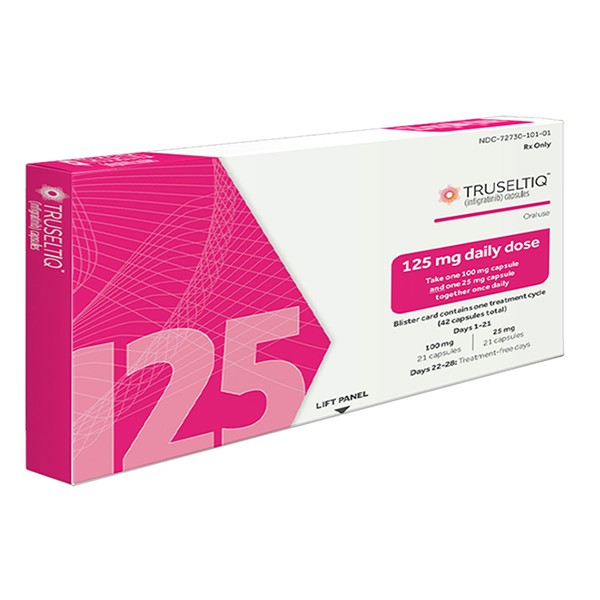
Infigratinib(Truseltiq)
Treatment of previously treated, unresectable locally advanced or metastatic...
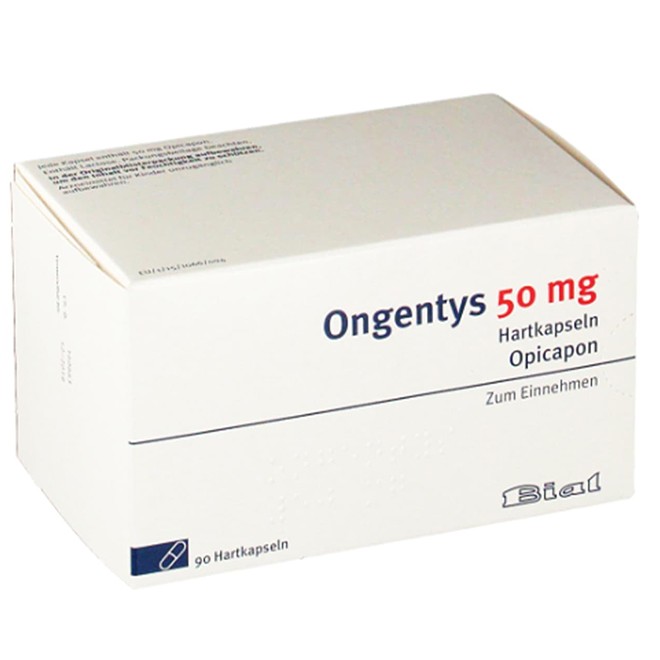
Opicapone(Ongentys)
Opicapone(Ongentys)
Adjunctive treatment to levodopa/carbidopa for reducing "off" episodes in...
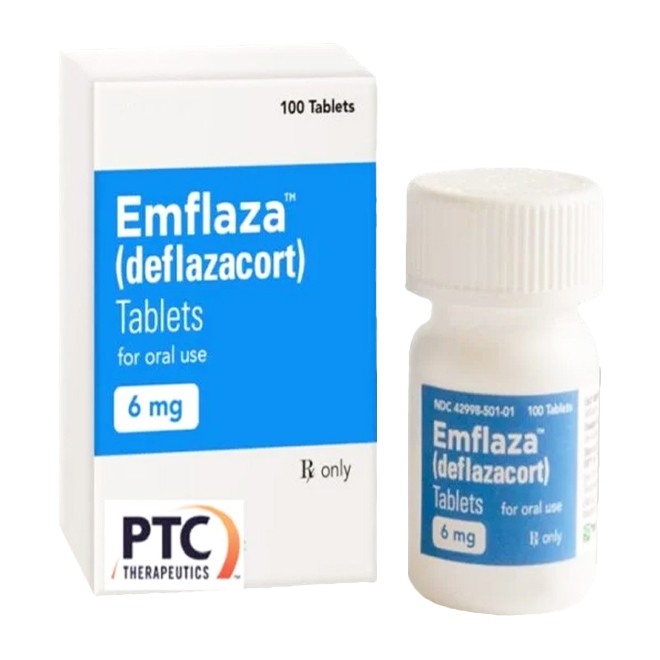
Deflazacort(Emflaza)
Treatment of Duchenne muscular dystrophy (DMD) in patients aged 2 years and...
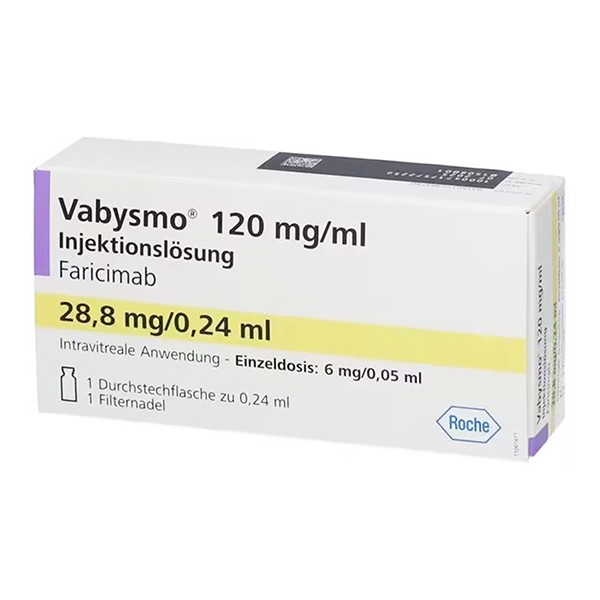
Faricimab-svoa(Vabysmo)
Treatment of neovascular age-related macular degeneration, diabetic macular...
Counselling Service
Global Drug Search
Clinical Research Recruitment
Overseas Medical Treatment
Remote Consultations
Note: Our medical consultant will contact you as soon as possible. We promise to strictly protect your privacy.
Submit
Business
  • Core products
  • Antitumor drugs
  • General drug
  • Antiviral drugs
  • Biological agents
Contact Us 
  • haiousales@gmail.com
Welcome to consult
Seagull Pharmacy.,Ltd All rights reserved