info@seagull-health.com
SeagullHealth
语言:
search
new
Tobramycin Inhalation Solution (TOBI): Dosage, Precautions, and Healthy Living
506
Article source: Seagull Pharmacy
Apr 14, 2026

Tobramycin Inhalation Solution (TOBI) is a vital medication for controlling Pseudomonas aeruginosa infections in patients with cystic fibrosis (CF).

1. Dosage and Administration

1.1 Standard Dosage Regimen

(1) TOBI is for oral inhalation only. It must not be administered via subcutaneous, intravenous, or intrathecal injection.

(2) The recommended dose for adults and pediatric patients aged 6 years and older is one single-dose ampoule (300 mg) twice daily.

(3) Dosage is not adjusted for body weight; the same dose is used for all patients.

1.2 28-Day Intermittent Therapy

(1) TOBI follows a unique cyclic regimen: 28 days on treatment, followed by 28 days off treatment.

(2) After 28 consecutive days of therapy, discontinue TOBI for 28 days, then resume the next 28-day treatment cycle.

(3) Repeat this cycle continuously. Complete the full 28-day treatment period even if you feel better; do not stop early without medical advice.

1.3 Dosing Time and Missed Dose Management

(1) The two daily doses should be administered approximately 12 hours apart, and no less than 6 hours.

(2) If a dose is missed and more than 6 hours remain before the next scheduled dose, take the missed dose as soon as possible. If less than 6 hours remain, skip the missed dose and take the next dose at the regular time.

(3) Never double the dose to make up for a missed one.

1.4 Inhalation Technique

(1) Each administration takes approximately 15 minutes.

(2) The patient should be in a sitting or standing position and breathe normally through the mouthpiece.

(3) A nose clip may help ensure mouth breathing. Do not mix or dilute TOBI with dornase alfa or other medications in the nebulizer.

2. Precautions

2.1 Pre-Administration Inspection

(1) Inspect the solution for clarity before useFDA Access Data.

(2) The normal solution is pale yellow; do not use if it is cloudy or contains particulate matterFDA Access Data.

(3) Discard any product stored at room temperature for more than 28 days or past its expiration date.

2.2 Dosage Adjustment in Special Populations

(1) Pregnancy: Aminoglycosides can cause fetal harm. Use during pregnancy only after a thorough risk-benefit assessment.

(2) Lactation: Tobramycin is excreted in breast milk and may alter the infant's intestinal flora. Monitor the infant for diarrhea, bloody stools, or thrush.

(3) Pediatrics: Safety and efficacy in children under 6 years of age have not been established; use is not recommended.

(4) Elderly & Renal Impairment: Tobramycin is primarily excreted by the kidneys. Renal function monitoring is advised during treatment.

2.3 Drug Interaction Warnings

(1) Avoid Concomitant Use: Concurrent or sequential use with other neurotoxic, nephrotoxic, or ototoxic drugs (e.g., other aminoglycosides, vancomycin) should be avoided.

(2) Diuretics Contraindicated: Do not use with ethacrynic acid, furosemide, urea, or intravenous mannitol, as they may potentiate aminoglycoside toxicity.

(3) Systemic Aminoglycosides: If used concomitantly, monitor serum tobramycin concentrations and for toxic effects.

2.4 Adverse Reaction Monitoring

(1) Be alert for bronchospasm (wheezing, chest tightness), ototoxicity (tinnitus, hearing loss, vertigo), nephrotoxicity (elevated serum creatinine), and exacerbation of neuromuscular disorders during therapy.

(2) Seek immediate medical attention if any of these symptoms occur.

3. Healthy Lifestyle for Patients

3.1 Standardized Medication and Regular Follow-Up

(1) Strictly adhere to the 28-day on / 28-day off cycle; do not alter it arbitrarily. Regularly monitor lung function (FEV1), sputum culture and susceptibility, serum creatinine, and hearing.

(2) Inform your doctor if you carry mitochondrial DNA variants (e.g., m.1555A>G).

3.2 Respiratory Management

(1) Use airway clearance techniques before and after inhalation therapy to facilitate sputum expectoration.

(2) If using multiple inhaled medications, administer other drugs before TOBI (or as directed by your physician).

(3) When cough or sputum production increases, distinguish between worsening infection and a drug reaction.

Note: For internal discussion among medical personnel only. For specific medication, please consult the attending physician. Drug information may change over time. For the latest information, we recommend adding a medical consultant or consulting for free online.
Recommended Articles
Dosage, Administration, Precautions, and Healthy Lifestyle Recommendations for Eltrombopag (Revolade)
Eltrombopag is a prescription medication. Proper use directly impacts its efficacy and safety.1. Dosage and Administration1.1 Immune Thrombocytopenia (ITP)(1) Adults and children aged 6 years and olde...
A Complete Analysis of the Price, Medical Insurance Coverage and Efficacy of Eltrombopag (Revolade)
Eltrombopag is a targeted drug used to increase platelet count. Patients are most concerned about its price, medical insurance reimbursement, and actual therapeutic effects.I. Is Eltrombopag Covered b...
Ibrutinib (Imbruvica): Side Effects, Management Strategies and Storage Guidelines
Ibrutinib (Imbruvica) is a Bruton's tyrosine kinase (BTK) inhibitor indicated for the treatment of various B-cell malignancies and chronic graft-versus-host disease (cGVHD).I. Common Side EffectsT...
Medication Guide and Healthy Living Advice for Ibrutinib (Imbruvica)
Ibrutinib is a kinase inhibitor indicated for the treatment of various B-cell malignancies and chronic graft-versus-host disease (cGVHD).1. Standard Dosage and Administration1.1 For Adult Patients wit...
Tobramycin Inhalation Solution (TOBI): Side Effects, Mitigation Methods and Storage Requirements
Tobramycin Inhalation Solution (TOBI) is an effective medication for controlling Pseudomonas aeruginosa infections in patients with cystic fibrosis; however, it may also cause a range of adverse react...
Detailed Explanation of Indicated Populations and Contraindications of Trientine (CUVRIOR)
As a novel copper chelator, trientine (CUVRIOR) has specific indications, contraindications, and dosing guidelines for special populations.I. Indications of Trientine (CUVRIOR)1. Core Indications(1) T...
What Are the Side Effects of Trientine (CUVRIOR)?
All medications may be associated with adverse reactions, and trientine (CUVRIOR) is no exception. Understanding its common side effects, mastering mitigation strategies, and storing the medication pr...
Selpercatinib (Retevmo): Side Effects, Management Strategies, and Storage Guidelines
Selpercatinib (Retevmo) demonstrates significant efficacy in the treatment of various RET-driven tumors, yet it may also induce a range of adverse reactions.I. Common Side Effects1. Common Adverse Rea...
Related Articles
Mercaptopurine Tablets: Side Effect Management and Storage Guidelines
Mercaptopurine is a chemotherapy drug used to treat acute lymphoblastic leukemia. Understanding its side effects, mastering relief methods, and proper storage are crucial for treatment safety.1. Commo...
Indications, contraindications, and use in special populations for Mercaptopurine Tablets
Mercaptopurine is a chemotherapy drug used to treat acute lymphoblastic leukemia. Clarifying its indications, contraindications, and key points for use in special populations is crucial for treatment ...
Major Side Effects of Cevimeline
Cevimeline is used to improve dry mouth caused by Sjögren's syndrome, but it may cause various side effects when used.I. Major Side Effects of Cevimeline1. Digestive System Side Effects(1) The mos...
Cevimeline: Indications, Contraindications, and Use in Special Populations
Cevimeline is a cholinergic agonist that primarily promotes salivation by stimulating M receptors in the salivary glands.I. Indications1. Core IndicationCevimeline is indicated only for the improvemen...
Indications of Infigratinib
Infigratinib is an oral kinase inhibitor targeting FGFR2, indicated for patients with specific gene mutations in cholangiocarcinoma.I. Indications1. Infigratinib is indicated for adult patients with p...
Common Side Effects of Infigratinib
Infigratinib has shown clear efficacy in the treatment of FGFR2-mutant cholangiocarcinoma, but may also cause various side effects.I. Common Side Effects1. Ocular Side Effects:(1) The most common ocul...
What is Momelotinib?
Momelotinib is an oral kinase inhibitor indicated for the treatment of adults with intermediate or high-risk myelofibrosis with anemia, including primary and secondary myelofibrosis.I. What is Momelot...
What are the common side effects of Momelotinib
Momelotinib is a targeted therapy used for the treatment of intermediate/high-risk myelofibrosis with anemia. Understanding its common side effects, mastering management strategies, and proper storage...
New Drugs
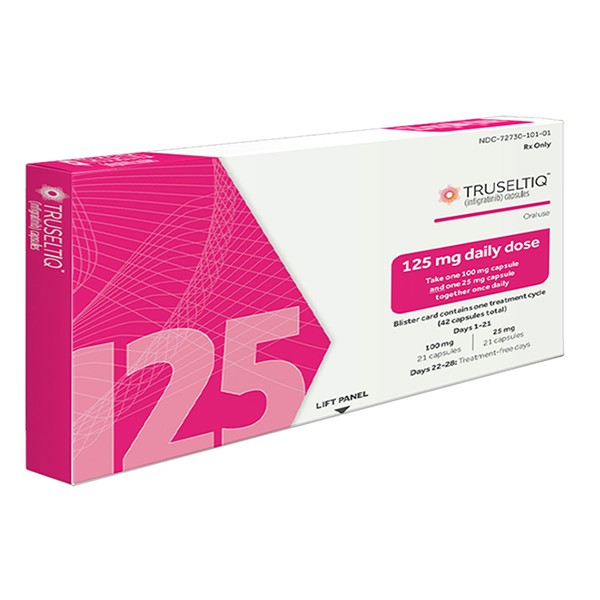
Infigratinib(Truseltiq)
Treatment of previously treated, unresectable locally advanced or metastatic...
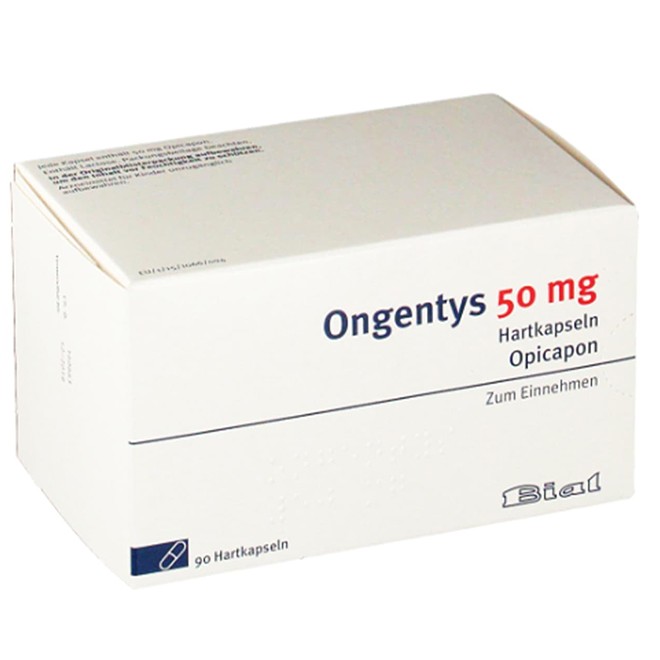
Opicapone(Ongentys)
Opicapone(Ongentys)
Adjunctive treatment to levodopa/carbidopa for reducing "off" episodes in...
Deflazacort(Emflaza)
Treatment of Duchenne muscular dystrophy (DMD) in patients aged 2 years and...
Faricimab-svoa(Vabysmo)
Treatment of neovascular age-related macular degeneration, diabetic macular...
Counselling Service
Global Drug Search
Clinical Research Recruitment
Overseas Medical Treatment
Remote Consultations
Note: Our medical consultant will contact you as soon as possible. We promise to strictly protect your privacy.
Submit
Business
  • Core products
  • Antitumor drugs
  • General drug
  • Antiviral drugs
  • Biological agents
Contact Us 
  • haiousales@gmail.com
Welcome to consult
Seagull Pharmacy.,Ltd All rights reserved