info@seagull-health.com
SeagullHealth
语言:
search
new
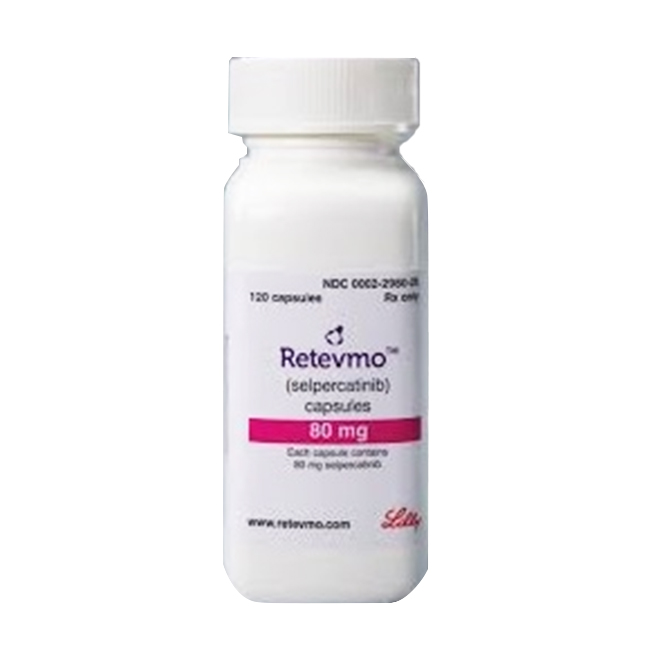
Selpercatinib (Retevmo): Side Effects, Management Strategies, and Storage Guidelines
521
Article source: Seagull Pharmacy
Apr 16, 2026

Selpercatinib (Retevmo) demonstrates significant efficacy in the treatment of various RET-driven tumors, yet it may also induce a range of adverse reactions.

I. Common Side Effects

1. Common Adverse Reactions in Adults (Incidence ≥ 25%)

(1) Edema (swelling of the extremities, face, or periorbital area), diarrhea, fatigue, dry mouth, hypertension, abdominal pain, constipation, rash, nausea, and headache.

(2) In addition, cough, dyspnea, and hemorrhagic events are also relatively common.

2. Common Adverse Reactions in Pediatric Patients (Aged 2 Years and Older, Incidence ≥ 25%)

Musculoskeletal pain, diarrhea, nausea, hemorrhage, pyrexia, abdominal pain, headache, vomiting, fatigue, cough, rash, COVID-19 infection, upper respiratory tract infection, and edema.

3. Common Grade 3–4 Laboratory Abnormalities in Adults

Lymphopenia, elevated ALT, elevated AST, decreased blood sodium, and decreased blood calcium.

4. Severe Side Effects Requiring Vigilance

Hepatotoxicity, interstitial lung disease/pneumonitis (potentially fatal), hypertension, QT interval prolongation, hemorrhagic events, hypersensitivity reactions, tumor lysis syndrome, and hypothyroidism.

II. Side Effect Management Strategies

1. Hepatotoxicity

(1) Monitor ALT/AST every 2 weeks before treatment and for the first 3 months of treatment, then monthly thereafter.

(2) In the event of Grade 3–4 elevations, withhold treatment. Upon recovery to Grade 1 or baseline, resume treatment at a dose reduced by 2 levels, with weekly monitoring until stabilization.

2. Hypertension

(1) Optimize blood pressure to the normal range prior to treatment initiation.

(2) Monitor blood pressure starting 1 week after treatment initiation, and at least monthly thereafter.

(3) For Grade 3 hypertension uncontrolled by antihypertensive agents, withhold treatment; resume at a reduced dose once blood pressure is controlled.

(4) Permanently discontinue treatment for Grade 4 hypertension.

3. Diarrhea

(1) For mild diarrhea, administer oral rehydration salts and avoid high-fiber and greasy foods.

(2) For severe diarrhea, promptly consult a physician; dose interruption or reduction may be required.

4. Edema

(1) For mild edema, elevate the lower extremities and restrict sodium intake.

(2) If edema impairs mobility or severe facial/periorbital edema occurs, seek medical evaluation; dose reduction or interruption may be necessary.

5. QT Interval Prolongation

(1) Regularly monitor electrocardiogram, electrolytes, and thyroid function before and during treatment.

(2) Correct hypokalemia, hypomagnesemia, and hypocalcemia. Avoid concomitant use with CYP3A inhibitors or drugs known to prolong the QT interval.

(3) Withhold treatment for Grade 3 QT prolongation; resume at a reduced dose or permanently discontinue upon recovery.

6. Hemorrhage and Hypersensitivity

(1) Permanently discontinue treatment for severe or life-threatening hemorrhage.

(2) For hypersensitivity reactions (pyrexia, rash, arthralgia), withhold treatment and administer corticosteroids (prednisone 1 mg/kg). Upon recovery, resume treatment at a dose reduced by 3 levels, with weekly dose escalation by 1 level until the original dose is reached.

7. Hypothyroidism

(1) Regularly monitor thyroid function before and during treatment.

(2) Administer thyroid hormone replacement therapy for hypothyroidism, with dose adjustment as needed.

8. Special Considerations for Pediatric Patients

Monitor for changes in the epiphyseal growth plates and symptoms of slipped capital femoral epiphysis (hip or knee pain, limping). Evaluate the need for treatment interruption or discontinuation if abnormalities occur.

III. Storage Conditions

1. Temperature Requirements

(1) Store at room temperature between 20°C and 25°C.

(2) Short-term fluctuations between 15°C and 30°C are permitted (e.g., during transportation).

2. Additional Precautions

(1) Store in the original bottle, which contains a desiccant.

(2) Protect from light and moisture.

(3) Keep out of reach of children.

Note: For internal discussion among medical personnel only. For specific medication, please consult the attending physician. Drug information may change over time. For the latest information, we recommend adding a medical consultant or consulting for free online.
Selpercatinib(Retevmo)
Adults with locally advanced or metastatic non-small cell lung cancer (NSCLC)...
WeChat Scan
Free Inquiry
Recommended Articles
What Are the Side Effects of Trientine (CUVRIOR)?
All medications may be associated with adverse reactions, and trientine (CUVRIOR) is no exception. Understanding its common side effects, mastering mitigation strategies, and storing the medication pr...
Detailed Explanation of Indicated Populations and Contraindications of Trientine (CUVRIOR)
As a novel copper chelator, trientine (CUVRIOR) has specific indications, contraindications, and dosing guidelines for special populations.I. Indications of Trientine (CUVRIOR)1. Core Indications(1) T...
Tobramycin Inhalation Solution (TOBI): Side Effects, Mitigation Methods and Storage Requirements
Tobramycin Inhalation Solution (TOBI) is an effective medication for controlling Pseudomonas aeruginosa infections in patients with cystic fibrosis; however, it may also cause a range of adverse react...
Tobramycin Inhalation Solution (TOBI): Dosage, Precautions, and Healthy Living
Tobramycin Inhalation Solution (TOBI) is a vital medication for controlling Pseudomonas aeruginosa infections in patients with cystic fibrosis (CF).1. Dosage and Administration1.1 Standard Dosage Regi...
Selpercatinib (Retevmo): Dosage, Precautions, and Healthy Living
Selpercatinib (Retevmo) is an oral, precision-targeted antineoplastic agent that selectively inhibits the RET driver gene.I. Dosage and Administration1. Adults and Adolescents Aged 12 Years and OlderD...
Canakinumab (Ilaris): Side Effects, Management Strategies and Storage Instructions
Canakinumab is an IL-1β inhibitor indicated for various autoinflammatory diseases.I. Common Side Effects of Canakinumab1. Common Side Effects in CAPS Patients(1) Side effects with an incidence rate ex...
Canakinumab (Ilaris): Dosage and Administration, Precautions, and Healthy Lifestyle
Canakinumab is an IL-1β inhibitor used for the treatment of various autoinflammatory diseases.I. Dosage and Administration of Canakinumab1. Route of AdministrationFor subcutaneous use only; intravenou...
Overview, Mechanism of Action and Missed Dose Management of Sotorasib
Sotorasib is a precise targeted therapeutic agent against KRAS G12C mutations, providing new treatment options for patients with lung cancer and colorectal cancer who have received prior therapy.I. In...
Related Articles
Selpercatinib (Retevmo): Dosage, Precautions, and Healthy Living
Selpercatinib (Retevmo) is an oral, precision-targeted antineoplastic agent that selectively inhibits the RET driver gene.I. Dosage and Administration1. Adults and Adolescents Aged 12 Years and OlderD...
Selpercatinib (Retevmo): Side Effects, Management Strategies, and Storage Guidelines
Selpercatinib (Retevmo) demonstrates significant efficacy in the treatment of various RET-driven tumors, yet it may also induce a range of adverse reactions.I. Common Side Effects1. Common Adverse Rea...
Side Effects of Selpercatinib (Retevmo)
Selpercatinib (Retevmo) is an oral, selective RET kinase inhibitor, indicated for the treatment of non‑small cell lung cancer, medullary thyroid carcinoma, and other thyroid cancers with RET gene fusi...
What are the precautions for the use of Selpercatinib (Retevmo)?
Selpercatinib (Retevmo) is a kinase inhibitor indicated for non-small cell lung cancer, medullary thyroid carcinoma, and thyroid cancer positive for RET gene fusion or mutation.What are the precaution...
What are the precautions for the use of Selpercatinib(Retevmo)?
As an oral targeted drug, Selpercatinib is easy to use and has high patient compliance. By inhibiting RET kinase activity, Selpercatinib effectively blocks the abnormal growth and spread of ...
Are the adverse effects of Selpercatinib(Retevmo) serious?
Selpercatinib(Retevmo) is a targeted drug that has demonstrated significant efficacy in the treatment of non-small cell lung disease and thyroid disease.Are the adverse effects of Selpercatinib(R...
The treatment effect of Selpercatinib(Retevmo)
Since its approval, the drug, developed by Eli Lilly and Company, has become one of the preferred treatments for patients with RET gene mutations. Selpercatinib has won wide recognition from clin...
How to use Selpercatinib(Retevmo)?
Selpercatinib is not only effective in the treatment of RET fusion-positive non-small cell lung disease and thyroid disease, but also explores the therapeutic potential of other RET gene fusion s...
New Drugs
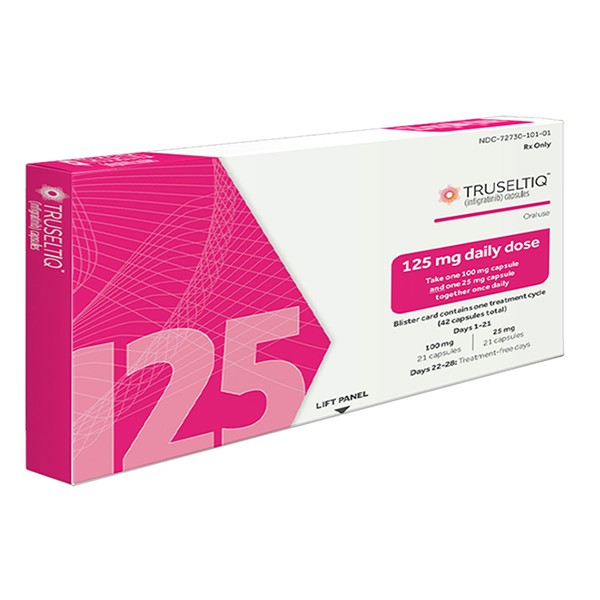
Infigratinib(Truseltiq)
Treatment of previously treated, unresectable locally advanced or metastatic...
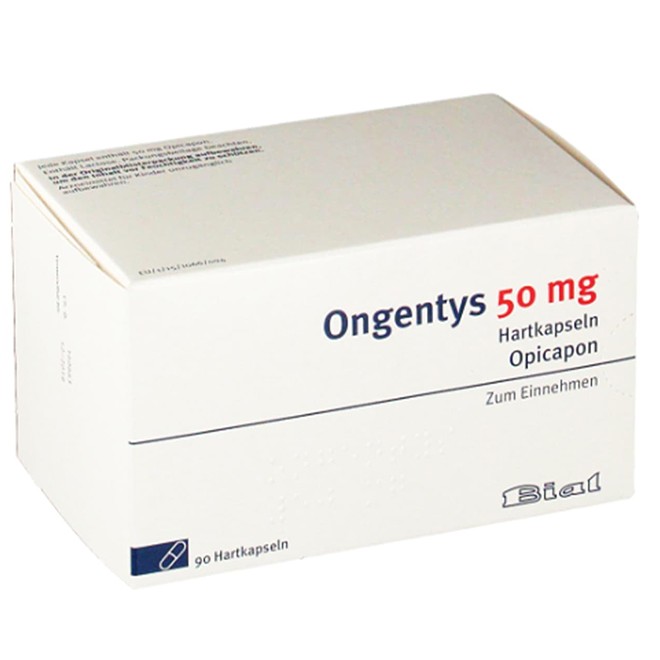
Opicapone(Ongentys)
Opicapone(Ongentys)
Adjunctive treatment to levodopa/carbidopa for reducing "off" episodes in...
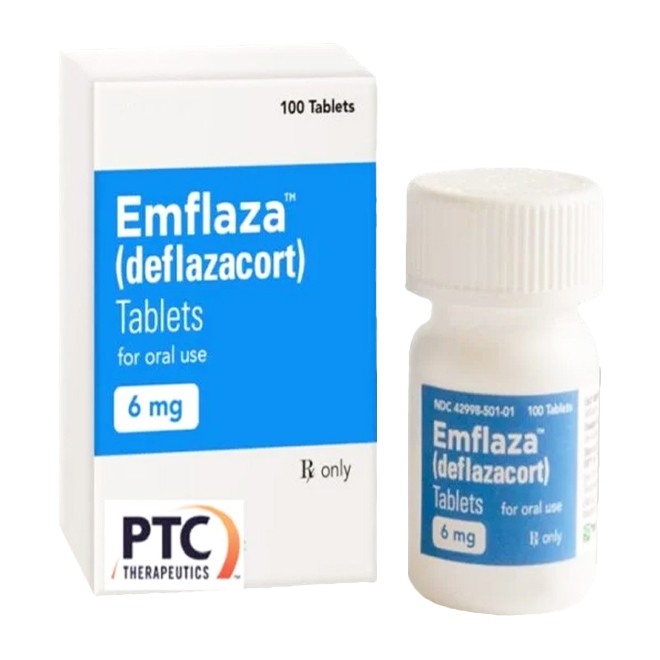
Deflazacort(Emflaza)
Treatment of Duchenne muscular dystrophy (DMD) in patients aged 2 years and...
Faricimab-svoa(Vabysmo)
Treatment of neovascular age-related macular degeneration, diabetic macular...
Counselling Service
Global Drug Search
Clinical Research Recruitment
Overseas Medical Treatment
Remote Consultations
Note: Our medical consultant will contact you as soon as possible. We promise to strictly protect your privacy.
Submit
Business
  • Core products
  • Antitumor drugs
  • General drug
  • Antiviral drugs
  • Biological agents
Contact Us 
  • haiousales@gmail.com
Welcome to consult
Seagull Pharmacy.,Ltd All rights reserved