info@seagull-health.com
SeagullHealth
语言:
search
new
Side effects of Selumetinib
500
Article source: Seagull Pharmacy
Jun 24, 2025

Selumetinib is a MEK1/2 inhibitor that has shown promising efficacy in the treatment of neurofibromatosis type 1 (NF1)-associated plexiform neurofibromas, but also comes with a specific risk of side effects. Understanding these adverse effects and the corresponding preventive measures is critical to ensuring that treatment runs smoothly. The common side effects of Selumetinib, important considerations, and special drug considerations for older patients will be analyzed in detail.

Side effects of Selumetinib

A variety of adverse reactions may occur during Selumetinib treatment, and the incidence and severity of these reactions vary from person to person, and timely identification and treatment of side effects can help maintain continuity of treatment.

Common adverse reactions

Most patients experience gastrointestinal reactions, including nausea (60%), vomiting (80%), and diarrhea (73%). Skin toxicity manifests as rash (78%), acnesiform dermatitis, and dry skin. These symptoms are usually mild to moderate and can be relieved with supportive care.

Serious adverse reactions

Approximately 15% of patients may have a low left ventricular ejection fraction (LVEF), which can lead to heart failure in severe cases. Retinopathy occurs in 9% and is characterized by blurred or decreased vision. Although rhabdomyolysis is rare, a marked increase in CPK levels is alarming.

In case of any adverse reactions, the doctor should be communicated in time and the medication regimen should be adjusted according to the severity.

Precautions for Selumetinib

Rational use of Selumetinib requires a number of important considerations, which directly affect treatment outcomes and patient safety.

Medication monitoring requirements

Baseline evaluation, including electrocardiogram, echocardiography, and ophthalmologic examination, is required prior to treatment. During the treatment period, LVEF should be rechecked every 3 months, and visual acuity and CPK levels should be monitored regularly. If there is an abnormality, the dose should be adjusted or the medication should be stopped in time.

Drug interactions

The combination of Selumetinib with a CYP3A4 inhibitor or inducer may affect drug concentrations. Avoid combination with strong CYP3A4 inhibitors such as clarithromycin. Concomitant use with anticoagulants may increase the risk of bleeding and requires close monitoring.

Special dosing requirements

It must be taken strictly on an empty stomach and kept in a state of fasting before and after taking the drug. If the dose is missed, it should be skipped if it is less than 6 hours before the next dose. Do not crush or chew capsules, swallow them whole.

Following these precautions maximizes the effectiveness of the drug while reducing the risk of adverse effects.

Selumetinib in older adults

The use of Selumetinib in elderly patients requires special attention to age-related physiological changes and concomitant medications, and individualized dosing regimens are particularly important to ensure safety.

Dose adjustment considerations

In older patients over 65 years of age, a 20% to 30% reduction in the initial dose should be considered, as age-related liver and kidney function may affect drug metabolism and the dose should be adjusted according to creatinine clearance.

Management of comorbidities

Older patients often have concomitant cardiovascular disease and need to be monitored for LVEF. Diabetes mellitus may increase the risk of omentopathy, and the frequency of ophthalmologic examinations should be increased, and patients with osteoporosis should pay attention to muscle symptoms due to elevated CPK.

Risk of drug interactions

Older patients often use multiple drugs and should be particularly vigilant for interactions. Concomitant use with antihypertensive drugs may increase the risk of hypotension, and concomitant use with diuretics may worsen electrolyte imbalances.

Elderly patients should maintain close communication with their doctor during the medication period and report any discomfort symptoms in a timely manner. Regularly assess the benefit-to-risk ratio of treatment and adjust the regimen if necessary.

Note: For internal discussion among medical personnel only. For specific medication, please consult the attending physician. Drug information may change over time. For the latest information, we recommend adding a medical consultant or consulting for free online.
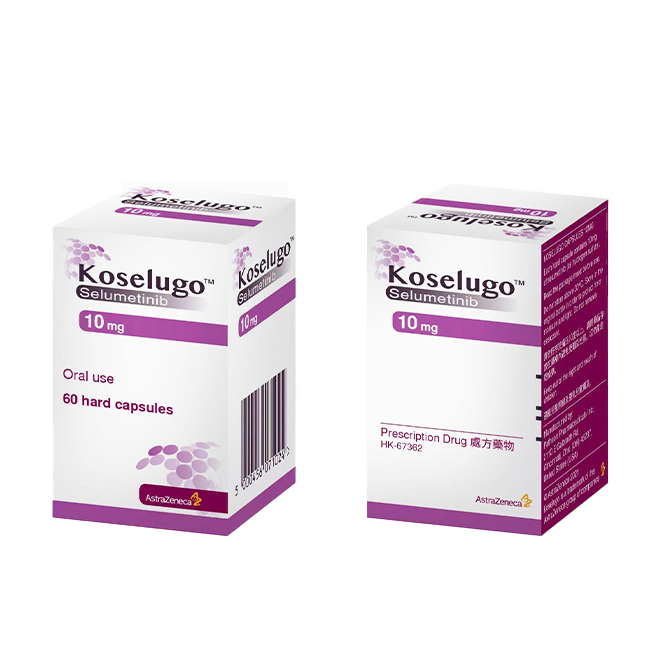
Selumetinib(Koselugo)
KOSELUGO (selumetinib) is indicated for the treatment of pediatric patients...
WeChat Scan
Free Inquiry
Recommended Articles
Adverse reactions caused by Selumetinib bisulfate capsules
The U.S. FDA Approved Selumetinib (Koselugo) for the Treatment of Pediatric Patients 2 years of age and older with Neurofibromatosis Type 1 (NF1) and Symptomatic, Inoperable Plexiform Neurofibromas (P...
Selumetinib side effects
Selumetinib is a targeted drug for the treatment of neurofibromatosis type 1 (NF1)-associated plexiform neurofibromas, which may also bring a series of side effects. Mastering the correct mitigat...
Adverse effects of Selumetinib
As a highly effective tyrosine kinase inhibitor, Selumetinib has shown significant anti-lesion effect in clinical treatment, bringing new hope to many patients with lesions. As with many potent d...
Selumetinib dosage
Selumetinib(Koselugo) has demonstrated significant clinical efficacy as a kinase inhibitor in pediatric patients with neurofibromatosis type 1 (NF1) who are 2 years of age and older with symptomatic, ...
Instructions for Selumetinib: action and efficacy, dosage, side effects, precautions
Selumetinib is a MEK1/2 inhibitor developed by AstraZeneca and approved by the US FDA in April 2020 for the treatment of neurofibromatosis type 1 (NF1)-associated plexiform neurofibromas in child...
The efficacy of the neurofibromatosis type 1 drug Selumetinib and the management of precautions
Selumetinib is the first and only drug approved in China for the treatment of pediatric patients with neurofibromatosis type 1 (NF1) with symptomatic and inoperable plexiform neurofibromas (PN), ...
Dosage Overview: Selumetinib
Selumetinib is a targeted drug specifically designed for the treatment of neurofibromatosis type 1 (NF1)-associated plexiform neurofibromas (PN). This article will provide a detailed description ...
Introduction to Metyrapone in the treatment of Cushing syndrome (CS)
Metyrapone, also known as Metyrapone, is a medication used to treat Cushing's syndrome (CS). It helps control the symptoms of Cushing's syndrome by inhibiting the enzyme 11β-hydroxylase (CYP11...
Related Articles
How to Purchase Selumetinib (Koselugo)
Selumetinib (Koselugo) is a MEK1/2 kinase inhibitor specifically indicated for the treatment of symptomatic, inoperable plexiform neurofibromas (PN) in pediatric patients aged 1 year and older with ne...
How to Use Selumetinib (Koselugo)
Selumetinib (Koselugo) is a MEK1/2 kinase inhibitor that plays a key role in the treatment of symptomatic, inoperable plexiform neurofibromas (PN) associated with neurofibromatosis type 1 (NF1) in chi...
What is Selumetinib (Koselugo)?
Selumetinib (Koselugo) is a kinase inhibitor primarily used for the treatment of specific types of nervous system tumors. As a targeted therapy drug, its unique pharmacological effects provide an impo...
What is Selumetinib (Koselugo)?
Selumetinib (Koselugo) is a targeted therapeutic drug for diseases caused by specific gene mutations. Developed by AstraZeneca, it was first approved for marketing by the U.S. FDA in 2020.What is Selu...
Dosage Overview: Selumetinib
Selumetinib is a targeted drug specifically designed for the treatment of neurofibromatosis type 1 (NF1)-associated plexiform neurofibromas (PN). This article will provide a detailed description ...
The efficacy of the neurofibromatosis type 1 drug Selumetinib and the management of precautions
Selumetinib is the first and only drug approved in China for the treatment of pediatric patients with neurofibromatosis type 1 (NF1) with symptomatic and inoperable plexiform neurofibromas (PN), ...
Instructions for Selumetinib: action and efficacy, dosage, side effects, precautions
Selumetinib is a MEK1/2 inhibitor developed by AstraZeneca and approved by the US FDA in April 2020 for the treatment of neurofibromatosis type 1 (NF1)-associated plexiform neurofibromas in child...
Side effects of Selumetinib
Selumetinib is a MEK1/2 inhibitor that has shown promising efficacy in the treatment of neurofibromatosis type 1 (NF1)-associated plexiform neurofibromas, but also comes with a specific risk of s...
New Drugs
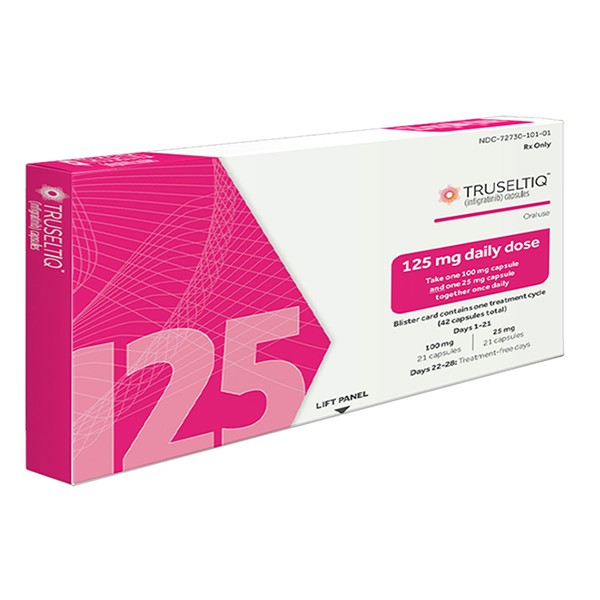
Infigratinib(Truseltiq)
Treatment of previously treated, unresectable locally advanced or metastatic...
Opicapone(Ongentys)
Opicapone(Ongentys)
Adjunctive treatment to levodopa/carbidopa for reducing "off" episodes in...
Deflazacort(Emflaza)
Treatment of Duchenne muscular dystrophy (DMD) in patients aged 2 years and...
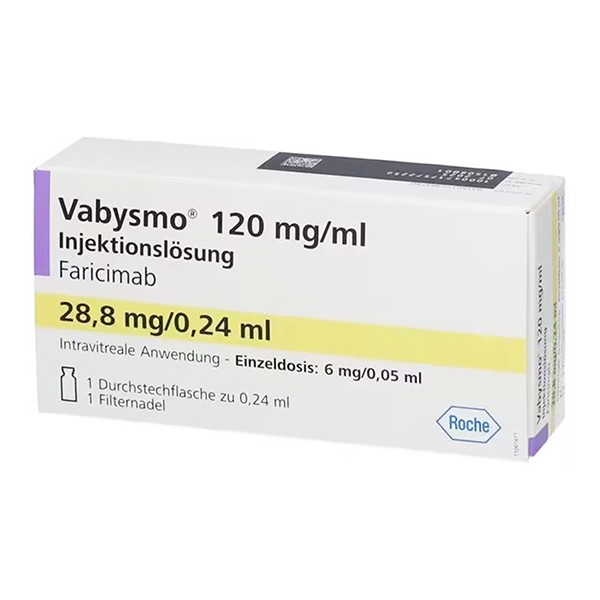
Faricimab-svoa(Vabysmo)
Treatment of neovascular age-related macular degeneration, diabetic macular...
Counselling Service
Global Drug Search
Clinical Research Recruitment
Overseas Medical Treatment
Remote Consultations
Note: Our medical consultant will contact you as soon as possible. We promise to strictly protect your privacy.
Submit
Business
  • Core products
  • Antitumor drugs
  • General drug
  • Antiviral drugs
  • Biological agents
Contact Us 
  • mailbox:info@lucius.la
Welcome to consult
ucius Pharmaceuticals (Lao) Co.,Ltd All rights reserved