info@seagull-health.com
SeagullHealth
语言:
search
new
Adverse effects of Selumetinib
501
Article source: Seagull Pharmacy
Jun 24, 2025

As a highly effective tyrosine kinase inhibitor, Selumetinib has shown significant anti-lesion effect in clinical treatment, bringing new hope to many patients with lesions. As with many potent drugs, Selumetinib can be accompanied by a range of adverse effects during use. These adverse reactions may not only affect the quality of daily life of patients, but also may have a certain impact on the treatment effect.

Adverse effects of Selumetinib

Selumetinib is an inhibitor of tyrosine kinase and plays an important role in inhibiting the growth and spread of diseased cells, but there may also be some adverse effects while taking Selumetinib.

Common adverse effects

Common adverse effects of Selumetinib include fatigue, nausea, vomiting, diarrhea, loss of appetite, fatigue, headache, and musculoskeletal pain. These reactions are usually mild, but may interfere with the patient's normal life and work.

Serious adverse effects

In addition to the common adverse effects, Selumetinib can also cause some serious adverse effects, such as heart problems (decreased blood pumping volume of the heart), vision problems (blindness, etc.), severe diarrhea, skin rash, and rhabdomyolysis (muscle damage). These reactions require close attention from the patient and the doctor, and medical attention should be sought as soon as they occur.

It is important for patients to understand the adverse effects of Selumetinib so that they can seek medical attention in time when symptoms develop and avoid worsening of the condition.

Methods for alleviating the adverse effects of Selumetinib

Although Selumetinib may cause some adverse effects, these reactions can be alleviated with appropriate measures.

Adjust the dose of the medication

For mild adverse reactions, such as fatigue and nausea, the doctor may recommend that the patient adjust the dosage of the medication to reduce the symptoms. Patients should take their medication on time according to their doctor's advice and do not increase or decrease the dose on their own.

Over-the-counter medication relief

For mild pain, musculoskeletal pain, etc., patients can use over-the-counter medications for relief. However, it is important to use it under the guidance of a doctor to avoid drug interactions or other adverse reactions.

Lifestyle modifications

While taking Selumetinib, patients should also pay attention to lifestyle modifications, such as maintaining a light, easily digestible diet, avoiding spicy, greasy foods to reduce the symptoms of nausea and vomiting, and maintaining adequate sleep and proper exercise can also help relieve fatigue and other uncomfortable symptoms.

By adjusting the dosage of the drug, using over-the-counter medications, and adjusting lifestyle, the adverse effects of Selumetinib can be alleviated to a certain extent. But be sure to do it under the guidance of a doctor to ensure that it is safe and effective.

Pharmacokinetics of Selumetinib

Understanding the pharmacokinetics of Selumetinib is important for both patients and physicians to better understand the absorption, distribution, metabolism, and excretion of the drug in the body, so as to make a rational dosing regimen.

Absorption and distribution

After Selumetinib is taken orally, the median time of peak plasma concentration is 1.5 hours, and the terminal elimination half-life is 5~8 hours. The large volume of distribution of the drug in the body indicates that it is widely distributed in the body.

Metabolism and excretion

Selumetinib is metabolized in vivo mainly by the liver to form N-demethylactive metabolites. The pharmacokinetic parameters of this metabolite were similar to those of the parent compound, but the AUC and Cmax were only less than 15% of the parent compound. Drugs and their metabolites are excreted mainly in urine and feces.

Relationship of pharmacokinetic parameters to dose

The phase I clinical study showed that the pharmacokinetic parameters of both suspension and capsule dosage forms of Selumetinib changed proportionally to the dose within a given dose range. This helps the doctor to determine the appropriate dosage for the patient.

Understanding the pharmacokinetics of Selumetinib can help patients and physicians better grasp the characteristics of the drug, so as to formulate a reasonable drug regimen, improve the treatment effect, and reduce the risk of adverse reactions.

Note: For internal discussion among medical personnel only. For specific medication, please consult the attending physician. Drug information may change over time. For the latest information, we recommend adding a medical consultant or consulting for free online.
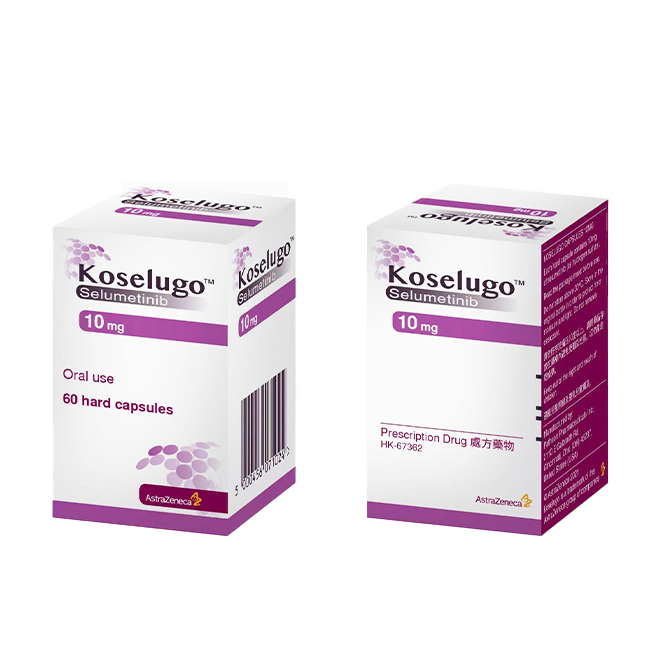
Selumetinib(Koselugo)
KOSELUGO (selumetinib) is indicated for the treatment of pediatric patients...
WeChat Scan
Free Inquiry
Recommended Articles
Selumetinib dosage
Selumetinib(Koselugo) has demonstrated significant clinical efficacy as a kinase inhibitor in pediatric patients with neurofibromatosis type 1 (NF1) who are 2 years of age and older with symptomatic, ...
Selumetinib effect
Selumetinib is a targeted therapy drug that is primarily used to treat specific types of neurofibromatosis. This article will delve into the mechanism of action of Selumetinib, its clinical efficacy, ...
Efficacy of Selumetinib
Selumetinib is a targeted drug specifically designed for the treatment of neurofibromatosis type 1 (NF1)-associated plexiform neurofibromas (PN). This article will detail the efficacy of Selumetinib, ...
Is Selumetinib a targeted drug?
Selumetinib is a targeted therapy that specifically targets specific genetic mutations, primarily for the treatment of plexiform neurofibromas associated with neurofibromatosis type 1. This artic...
Selumetinib side effects
Selumetinib is a targeted drug for the treatment of neurofibromatosis type 1 (NF1)-associated plexiform neurofibromas, which may also bring a series of side effects. Mastering the correct mitigat...
Adverse reactions caused by Selumetinib bisulfate capsules
The U.S. FDA Approved Selumetinib (Koselugo) for the Treatment of Pediatric Patients 2 years of age and older with Neurofibromatosis Type 1 (NF1) and Symptomatic, Inoperable Plexiform Neurofibromas (P...
Side effects of Selumetinib
Selumetinib is a MEK1/2 inhibitor that has shown promising efficacy in the treatment of neurofibromatosis type 1 (NF1)-associated plexiform neurofibromas, but also comes with a specific risk of s...
Instructions for Selumetinib: action and efficacy, dosage, side effects, precautions
Selumetinib is a MEK1/2 inhibitor developed by AstraZeneca and approved by the US FDA in April 2020 for the treatment of neurofibromatosis type 1 (NF1)-associated plexiform neurofibromas in child...
Related Articles
How to Purchase Selumetinib (Koselugo)
Selumetinib (Koselugo) is a MEK1/2 kinase inhibitor specifically indicated for the treatment of symptomatic, inoperable plexiform neurofibromas (PN) in pediatric patients aged 1 year and older with ne...
How to Use Selumetinib (Koselugo)
Selumetinib (Koselugo) is a MEK1/2 kinase inhibitor that plays a key role in the treatment of symptomatic, inoperable plexiform neurofibromas (PN) associated with neurofibromatosis type 1 (NF1) in chi...
What is Selumetinib (Koselugo)?
Selumetinib (Koselugo) is a kinase inhibitor primarily used for the treatment of specific types of nervous system tumors. As a targeted therapy drug, its unique pharmacological effects provide an impo...
What is Selumetinib (Koselugo)?
Selumetinib (Koselugo) is a targeted therapeutic drug for diseases caused by specific gene mutations. Developed by AstraZeneca, it was first approved for marketing by the U.S. FDA in 2020.What is Selu...
Dosage Overview: Selumetinib
Selumetinib is a targeted drug specifically designed for the treatment of neurofibromatosis type 1 (NF1)-associated plexiform neurofibromas (PN). This article will provide a detailed description ...
The efficacy of the neurofibromatosis type 1 drug Selumetinib and the management of precautions
Selumetinib is the first and only drug approved in China for the treatment of pediatric patients with neurofibromatosis type 1 (NF1) with symptomatic and inoperable plexiform neurofibromas (PN), ...
Instructions for Selumetinib: action and efficacy, dosage, side effects, precautions
Selumetinib is a MEK1/2 inhibitor developed by AstraZeneca and approved by the US FDA in April 2020 for the treatment of neurofibromatosis type 1 (NF1)-associated plexiform neurofibromas in child...
Side effects of Selumetinib
Selumetinib is a MEK1/2 inhibitor that has shown promising efficacy in the treatment of neurofibromatosis type 1 (NF1)-associated plexiform neurofibromas, but also comes with a specific risk of s...
New Drugs
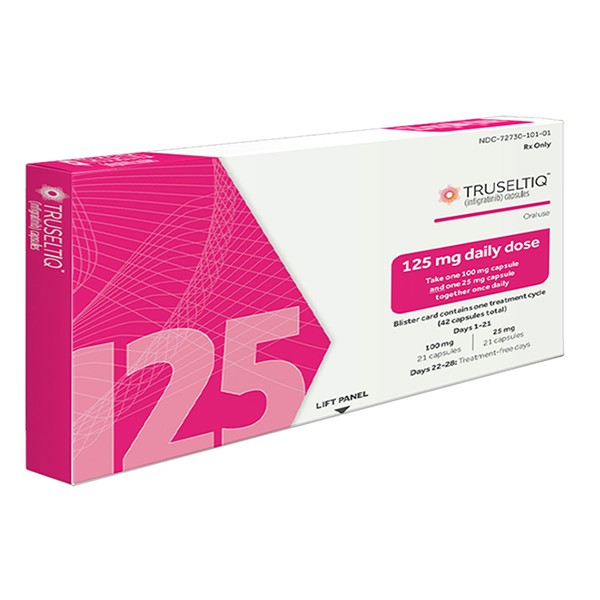
Infigratinib(Truseltiq)
Treatment of previously treated, unresectable locally advanced or metastatic...
Opicapone(Ongentys)
Opicapone(Ongentys)
Adjunctive treatment to levodopa/carbidopa for reducing "off" episodes in...
Deflazacort(Emflaza)
Treatment of Duchenne muscular dystrophy (DMD) in patients aged 2 years and...
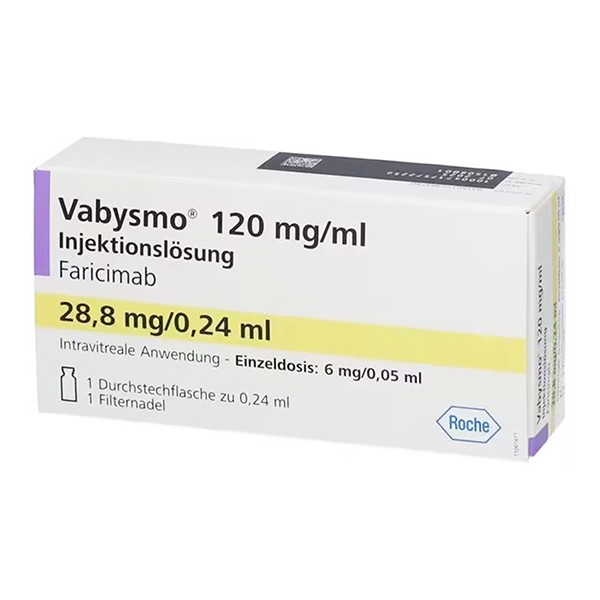
Faricimab-svoa(Vabysmo)
Treatment of neovascular age-related macular degeneration, diabetic macular...
Counselling Service
Global Drug Search
Clinical Research Recruitment
Overseas Medical Treatment
Remote Consultations
Note: Our medical consultant will contact you as soon as possible. We promise to strictly protect your privacy.
Submit
Business
  • Core products
  • Antitumor drugs
  • General drug
  • Antiviral drugs
  • Biological agents
Contact Us 
  • mailbox:info@lucius.la
Welcome to consult
ucius Pharmaceuticals (Lao) Co.,Ltd All rights reserved