info@seagull-health.com
SeagullHealth
语言:
search
new
What Are the Side Effects of Linezolid?
503
Article source: Seagull Pharmacy
Sep 25, 2025

Linezolid is a synthetic antibiotic belonging to the oxazolidinone class of antibacterial agents. It is used to treat infections caused by specific Gram-positive bacteria. As a clinically important antibiotic, understanding its side effect profile and medication precautions is crucial for patients' safe drug use.

What Are the Side Effects of Linezolid?

Common Side Effects

Gastrointestinal reactions: Diarrhea (incidence rate: 8.3%), nausea (6.2%), vomiting (3.7%), and constipation (2.2%).

Neurological reactions: Headache (6.5%), dizziness (2.0%).

Skin reactions: Rash (2.0%).

Other reactions: Insomnia (2.5%), fever (1.6%).

Severe Side Effects of Linezolid That Require Vigilance

Myelosuppression and Thrombocytopenia

Animal studies have shown that linezolid can cause dose- and time-dependent myelosuppression, manifested as decreased bone marrow cells, impaired hematopoietic function, and reduced levels of circulating red blood cells, white blood cells, and platelets.

Clinical observations have found that thrombocytopenia occurs in some patients.

The following populations are at higher risk:

Patients with increased bleeding risk.

Patients with pre-existing thrombocytopenia.

Patients who need to use drugs that may affect platelet function in combination.

Patients with a treatment course exceeding 2 weeks.

Pseudomembranous Colitis

Similar to other antibiotics, linezolid may cause pseudomembranous colitis, with severity ranging from mild to life-threatening.

The mechanism involves altering the normal intestinal flora of the colon, leading to the overgrowth of Clostridioides difficile.

Clinical management principles include:

Mild cases: Discontinue the drug and monitor.

Moderate to severe cases: Supplement fluids, electrolytes, and proteins, and use antibiotics effective against Clostridioides difficile.

Other Potential Severe Reactions

Lactic acidosis: Although not explicitly mentioned in the package insert, it has been occasionally reported in clinical practice.

Peripheral neuropathy and optic neuropathy: The risk increases with long-term use (exceeding 28 days).

Hypersensitivity reactions: Contraindicated in patients allergic to linezolid or any component in the preparation.

Precautions for Linezolid Use

Medication Use in Special Populations

Elderly patients: No significant changes in pharmacokinetics; no dose adjustment is required.

Patients with renal impairment: The metabolism of the parent drug is not affected, but its metabolites may accumulate. The drug should be used after weighing the pros and cons.

Patients with hepatic impairment: No dose adjustment is required for mild to moderate hepatic impairment; there is no data available for patients with severe hepatic impairment.

Pregnant women: Classified as Pregnancy Category C; should be used only when the potential benefit outweighs the risk.

Lactating women: The drug can pass into rat milk; human data are lacking, so it should be used with caution.

Management of Drug Interactions

Sympathomimetic drugs: When used in combination with pseudoephedrine, phenylpropanolamine, etc., blood pressure should be closely monitored. It is recommended to reduce the initial dose and adjust by titration.

Serotonergic drugs: Including antidepressants, etc. Be alert to the symptoms of serotonin syndrome.

Tyramine-containing foods: Avoid excessive intake of foods with high tyramine content (such as aged cheese, fermented meat products, soy sauce, etc.). The tyramine intake per meal should be < 100 mg.

Note: For internal discussion among medical personnel only. For specific medication, please consult the attending physician. Drug information may change over time. For the latest information, we recommend adding a medical consultant or consulting for free online.
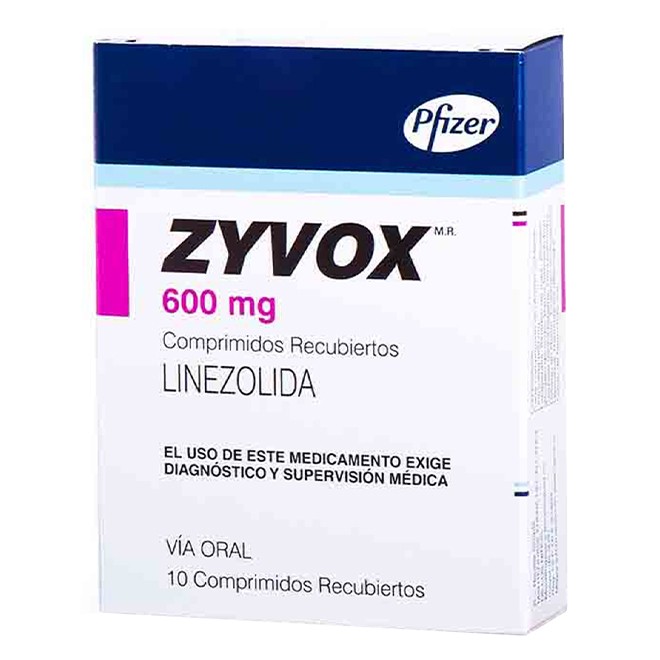
Zyvox(Linezolid)
Zyvox(Linezolid)
Treatment of infections caused by susceptible Gram-positive bacteria
WeChat Scan
Free Inquiry
Recommended Articles
Precautions for Linezolid Use
Linezolid is a synthetic antibacterial agent belonging to the oxazolidinone class of antibiotics. It is mainly used for the treatment of infections caused by Gram-positive bacteria. Its unique bacteri...
How to Use Linezolid
Linezolid is a synthetic oxazolidinone antibacterial agent, available in three dosage forms: intravenous injection, tablets, and oral suspension.How to Use LinezolidIntravenous InjectionIt is a ready-...
Indications for Linezolid
Linezolid is a synthetic oxazolidinone antibacterial agent approved for marketing by the U.S. Food and Drug Administration (FDA). As an important antibacterial drug, linezolid is mainly used clinicall...
How to Purchase Linezolid
Linezolid is a synthetic oxazolidinone antibacterial agent, mainly used for the treatment of infections caused by Gram-positive bacteria, such as vancomycin-resistant enterococcus infections and hospi...
Indications for Loteprednol Etabonate Suspension Eye Drops (Lotemax)
Loteprednol Etabonate Suspension Eye Drops (Lotemax) is a corticosteroid medication for ophthalmic use, mainly indicated for the treatment of inflammatory eye diseases. As a topically administered glu...
How to Use Loteprednol Etabonate Suspension Eye Drops (Lotemax)
Loteprednol Etabonate Suspension Eye Drops (Lotemax) is a corticosteroid ophthalmic preparation, mainly used for the treatment of ocular inflammatory diseases, such as seasonal allergic conjunctivitis...
Indications for Tretinoin Capsules
Tretinoin Capsules are an oral retinoid medication used for the treatment of specific types of leukemia.Indications for Tretinoin CapsulesMain IndicationsTretinoin Capsules are primarily used for the ...
How to Use Tretinoin Capsules
Tretinoin Capsules are a retinoid-based targeted medication used for the treatment of acute promyelocytic leukemia (APL). It exerts its therapeutic effects by inducing the differentiation of leukemia ...
Related Articles
What Are the Side Effects of Linezolid?
Linezolid is a synthetic antibiotic belonging to the oxazolidinone class of antibacterial agents. It is used to treat infections caused by specific Gram-positive bacteria. As a clinically important an...
Precautions for Linezolid Use
Linezolid is a synthetic antibacterial agent belonging to the oxazolidinone class of antibiotics. It is mainly used for the treatment of infections caused by Gram-positive bacteria. Its unique bacteri...
How to Use Linezolid
Linezolid is a synthetic oxazolidinone antibacterial agent, available in three dosage forms: intravenous injection, tablets, and oral suspension.How to Use LinezolidIntravenous InjectionIt is a ready-...
Indications for Linezolid
Linezolid is a synthetic oxazolidinone antibacterial agent approved for marketing by the U.S. Food and Drug Administration (FDA). As an important antibacterial drug, linezolid is mainly used clinicall...
How to Purchase Linezolid
Linezolid is a synthetic oxazolidinone antibacterial agent, mainly used for the treatment of infections caused by Gram-positive bacteria, such as vancomycin-resistant enterococcus infections and hospi...
New Drugs
Infigratinib(Truseltiq)
Treatment of previously treated, unresectable locally advanced or metastatic...
Opicapone(Ongentys)
Opicapone(Ongentys)
Adjunctive treatment to levodopa/carbidopa for reducing "off" episodes in...
Deflazacort(Emflaza)
Treatment of Duchenne muscular dystrophy (DMD) in patients aged 2 years and...
Faricimab-svoa(Vabysmo)
Treatment of neovascular age-related macular degeneration, diabetic macular...
Counselling Service
Global Drug Search
Clinical Research Recruitment
Overseas Medical Treatment
Remote Consultations
Note: Our medical consultant will contact you as soon as possible. We promise to strictly protect your privacy.
Submit
Business
  • Core products
  • Antitumor drugs
  • General drug
  • Antiviral drugs
  • Biological agents
Contact Us 
  • mailbox:info@lucius.la
Welcome to consult
ucius Pharmaceuticals (Lao) Co.,Ltd All rights reserved