info@seagull-health.com
SeagullHealth
语言:
search
new
Adverse Reactions of Azelnidipine (Calblock)
506
Article source: Seagull Pharmacy
Dec 24, 2025

Azelnidipine (Calblock) is a calcium channel blocker indicated for the treatment of hypertension, with azelnidipine as its main active ingredient. As a prescription drug, its administration must be in strict compliance with the physician’s instructions, and full understanding of its potential adverse reactions and special precautions is required.

Adverse Reactions of Azelnidipine (Calblock)

Common Adverse Reactions

(1) Psychoneurological system: Headache and a heavy sensation in the head are common; dizziness, unsteady gait, lightheadedness and somnolence occur occasionally; abnormal sensations (e.g., a floating feeling, dysphoria) have also been reported.

(2) Cardiovascular system: Palpitations, flushing and a sensation of warmth are common.

(3) Digestive system: Gastric discomfort, nausea, abdominal pain and diarrhea are common; gingival hyperplasia, stomatitis and constipation occur occasionally.

(4) Hepatic system: Elevations in alanine aminotransferase (ALT), aspartate aminotransferase (AST) and lactate dehydrogenase (LDH) are common; elevations in alkaline phosphatase (ALP), total bilirubin, gamma-glutamyl transpeptidase (γ-GTP) and abnormal liver function occur occasionally.

(5) Renal and urinary systems: Elevations in blood urea nitrogen (BUN), increased urinary hyaline casts, elevated creatinine and frequent micturition occur occasionally.

Severe Adverse Reactions

(1) Hepatic dysfunction and jaundice: Hepatic dysfunction accompanied by elevated levels of AST, ALT, γ-GTP and other indicators may occur, and even jaundice in severe cases. Liver function should be monitored during medication.

(2) Cardiac conduction block: Atrioventricular block, sinus arrest, bradycardia and other disorders may be induced, accompanied by symptoms such as dizziness and unsteady gait.

(3) Severe hypersensitivity reactions: This drug is contraindicated in patients with a history of hypersensitivity to any of the drug ingredients.

(4) Myocardial infarction, heart failure and cardiac arrhythmia: Although the causal relationship has not been fully confirmed, there have been reports of such events occurring during the treatment period.

(5) Excessive hypotension: Excessive blood pressure reduction may be induced, leading to symptoms such as dizziness and fatigue. Extra caution is required when changing body posture abruptly, working at heights or driving a vehicle.

Precautions for Azelnidipine (Calblock)

Conditions Requiring Cautious Administration

(1) Drug withdrawal: Do not discontinue the drug abruptly. If discontinuation is necessary, the dosage should be gradually reduced under the guidance of a physician to avoid rebound hypertension and subsequent exacerbation of symptoms.

(2) Administration and diet: Food may affect the absorption of the drug, and oral administration after breakfast is recommended. Concurrent consumption with grapefruit juice is strictly prohibited, as grapefruit juice can cause a several-fold significant increase in the peak plasma concentration (Cmax) and total exposure (AUC) of azelnidipine.

Dose Adjustment for Special Populations

(1) Geriatric patients: Treatment should be initiated at a low dose (e.g., 8 mg or lower) with cautious administration, so as to avoid the risk of cerebral infarction induced by excessive hypotension.

(2) Patients with severe renal impairment: Antihypertensive treatment may lead to further deterioration of renal function, and close monitoring is required.

(3) Patients with severe hepatic impairment: Sufficient clinical data are lacking, and the benefits and risks must be weighed prior to administration.

(4) Lactating women: The drug is excreted in the milk of lactating rats. The use in lactating women should be decided by weighing the necessity of treatment against the benefits of breastfeeding.

(5) Pediatric population: Efficacy data for pediatric use have not been established yet.

Drug Interactions

(1) Concomitant use with other antihypertensive drugs: The antihypertensive effect may be potentiated, leading to hypotension; dosage adjustment should be noted.

(2) Concomitant use with some statins: Co-administration with simvastatin may cause a significant elevation in the plasma concentration of statins and increase the risk of muscular toxicity (e.g., rhabdomyolysis), while the interaction with atorvastatin or pravastatin is mild.

(3) Concomitant use with digoxin: A mild elevation in the plasma concentration of digoxin may occur, and the digoxin level should be monitored during combined administration.

Note: For internal discussion among medical personnel only. For specific medication, please consult the attending physician. Drug information may change over time. For the latest information, we recommend adding a medical consultant or consulting for free online.
Recommended Articles
Where to Purchase Benidipine Hydrochloride (Coniel)
Benidipine Hydrochloride (Coniel) is a prescription drug commonly used for the treatment of hypertension and angina pectoris, and it belongs to the category of long-acting calcium antagonists. As a pr...
What are the Indications of Benidipine Hydrochloride (Coniel)?
Benidipine Hydrochloride (Coniel) is a long-acting calcium channel blocker belonging to the dihydropyridine class of antihypertensive drugs, and is widely indicated for the treatment of hypertension a...
Dosage and Administration & Recommended Dose of Benidipine Hydrochloride (Coniel)
Benidipine Hydrochloride (Coniel) is a long-acting dihydropyridine calcium channel blocker, which is widely used clinically for the treatment of hypertension and angina pectoris. It inhibits calcium i...
Side Effects of Enasidenib
Enasidenib is a targeted therapy for adult patients with relapsed or refractory acute myeloid leukemia (AML) harboring a specific genetic mutation (IDH2 mutation).Side Effects of EnasidenibCommon Side...
What are the precautions for the administration of Azelnidipine (Calblock)?
Azelnidipine (Calblock) is a commonly used calcium channel blocker, which is mainly indicated for the treatment of hypertension. It exerts antihypertensive effects by dilating blood vessels and reduci...
What are the indications for Lisinopril (Longes)?
Lisinopril (Longes) is a commonly prescribed medication that belongs to the angiotensin-converting enzyme (ACE) inhibitor class. It is widely used for the treatment of hypertension and chronic heart f...
Where to Purchase Lisinopril (Longes)
Lisinopril (Longes) is a commonly used angiotensin-converting enzyme inhibitor, which is mainly indicated for the treatment of hypertension and chronic heart failure under specific conditions. As a pr...
Adverse Reactions of Flopropione Tablets (Cospanon)
Flopropione Tablets (Cospanon) is a drug commonly used for the treatment of smooth muscle spasms caused by hepatobiliary tract diseases, pancreatitis, urinary calculi and other conditions. Its active ...
Related Articles
Mercaptopurine Tablets: Side Effect Management and Storage Guidelines
Mercaptopurine is a chemotherapy drug used to treat acute lymphoblastic leukemia. Understanding its side effects, mastering relief methods, and proper storage are crucial for treatment safety.1. Commo...
Indications, contraindications, and use in special populations for Mercaptopurine Tablets
Mercaptopurine is a chemotherapy drug used to treat acute lymphoblastic leukemia. Clarifying its indications, contraindications, and key points for use in special populations is crucial for treatment ...
Major Side Effects of Cevimeline
Cevimeline is used to improve dry mouth caused by Sjögren's syndrome, but it may cause various side effects when used.I. Major Side Effects of Cevimeline1. Digestive System Side Effects(1) The mos...
Cevimeline: Indications, Contraindications, and Use in Special Populations
Cevimeline is a cholinergic agonist that primarily promotes salivation by stimulating M receptors in the salivary glands.I. Indications1. Core IndicationCevimeline is indicated only for the improvemen...
Indications of Infigratinib
Infigratinib is an oral kinase inhibitor targeting FGFR2, indicated for patients with specific gene mutations in cholangiocarcinoma.I. Indications1. Infigratinib is indicated for adult patients with p...
Common Side Effects of Infigratinib
Infigratinib has shown clear efficacy in the treatment of FGFR2-mutant cholangiocarcinoma, but may also cause various side effects.I. Common Side Effects1. Ocular Side Effects:(1) The most common ocul...
What is Momelotinib?
Momelotinib is an oral kinase inhibitor indicated for the treatment of adults with intermediate or high-risk myelofibrosis with anemia, including primary and secondary myelofibrosis.I. What is Momelot...
What are the common side effects of Momelotinib
Momelotinib is a targeted therapy used for the treatment of intermediate/high-risk myelofibrosis with anemia. Understanding its common side effects, mastering management strategies, and proper storage...
New Drugs
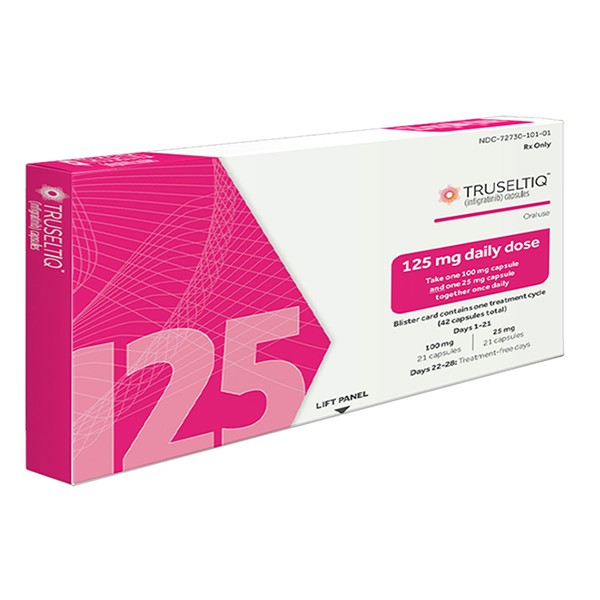
Infigratinib(Truseltiq)
Treatment of previously treated, unresectable locally advanced or metastatic...
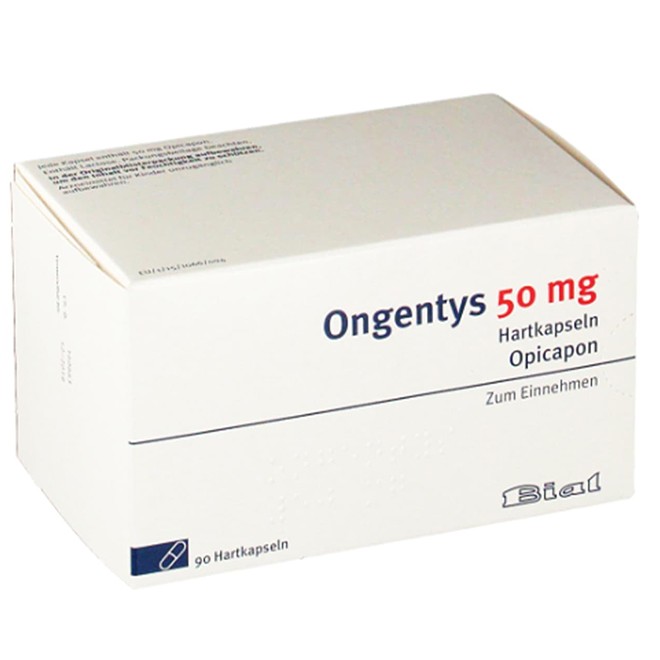
Opicapone(Ongentys)
Opicapone(Ongentys)
Adjunctive treatment to levodopa/carbidopa for reducing "off" episodes in...
Deflazacort(Emflaza)
Treatment of Duchenne muscular dystrophy (DMD) in patients aged 2 years and...
Faricimab-svoa(Vabysmo)
Treatment of neovascular age-related macular degeneration, diabetic macular...
Counselling Service
Global Drug Search
Clinical Research Recruitment
Overseas Medical Treatment
Remote Consultations
Note: Our medical consultant will contact you as soon as possible. We promise to strictly protect your privacy.
Submit
Business
  • Core products
  • Antitumor drugs
  • General drug
  • Antiviral drugs
  • Biological agents
Contact Us 
  • haiousales@gmail.com
Welcome to consult
Seagull Pharmacy.,Ltd All rights reserved