info@seagull-health.com
SeagullHealth
语言:
search
new
Common Side Effects of Imiquimod
507
Article source: Seagull Pharmacy
May 11, 2026

Imiquimod cream works by activating local immune responses, but it often causes skin and systemic reactions.

I. Common Side Effects

1. Local Skin Reactions

(1) Almost every user experiences local reactions to varying degrees, including erythema, erosion, peeling, dryness, small blisters, cracking, bleeding, induration, papules, folliculitis, edema, crusting, pain, burning sensation, itching, etc.

(2) These reactions are usually mild to moderate and are considered a sign that the medication is working.

2. Systemic Reactions

(1) A small number of patients may experience flu-like symptoms such as fever, chills, muscle aches, fatigue, headache, nausea, diarrhea, and loss of appetite.

(2) Some people may develop swollen lymph nodes or lymphadenitis.

3. Pigment Changes

Hyperpigmentation or hypopigmentation may occur at the application site, and in rare cases these changes may be permanent.

II. Serious Side Effects and Warnings

1. Severe Skin Damage

Severe ulceration, erosion, widespread erythema, edema, or large areas of skin peeling may occur in less than 5% of patients, requiring immediate discontinuation of the drug and medical attention.

2. Difficulty Urinating

When the cream is applied near the urethral opening or vaginal opening in women, local pain and swelling may cause difficulty urinating. Care should be taken to avoid these areas.

3. Allergic Reactions

In very rare cases, eczema or worsening rash may occur. People allergic to any ingredient of this product should not use it.

4. Risks in Special Populations

(1) Immunocompromised individuals (e.g., after organ transplant, with autoimmune diseases) may experience poor response or worsening of symptoms.

(2) Patients with chronic GVHD or autoimmune diseases should use with caution.

III. Ways to Relieve Side Effects

1. Control Dosage and Frequency

(1) Strictly apply three times per week, without using excessive amounts.

(2) Do not apply daily consecutively, as this significantly worsens side effects.

2. Strictly Control Application Time

For genital warts, keep for 6-10 hours; for actinic keratosis, wash off with soap and water after about 8 hours. Do not extend the time.

3. Local Skin Care

(1) If severe redness, swelling, erosion, or ulceration occurs, wash off the cream immediately and temporarily stop use.

(2) Mild, non-irritating moisturizers can be used daily to relieve dryness and peeling, but avoid applying immediately after applying the medication.

4. Managing Flu-like Symptoms

(1) When fever or muscle aches occur, rest more and drink plenty of fluids.

(2) If symptoms are severe, it is recommended to pause the medication and consult a doctor.

5. Avoid Sun Exposure

During treatment and for some time after stopping, the skin is more sensitive to UV light. Cover treated areas when going outdoors and avoid direct sunlight.

6. Male Foreskin Care

Men with uncircumcised foreskin should retract the foreskin daily to clean the area, which may reduce the risk of edema and erosion.

7. Indications for Immediate Medical Attention

If local ulceration expands, pain is severe, fever persists, or difficulty urinating occurs, discontinue the drug and seek medical attention immediately.

IV. Storage Requirements

1. Temperature Control

(1) Store below 25°C, avoid freezing.

(2) Do not place in a freezer or in high‑temperature environments (e.g., inside a car in summer).

2. Protect from Light and Moisture

Keep in original packaging, sealed, in a dry and cool place, away from direct sunlight and humidity (e.g., bathroom).

3. Child Safety

Must be stored out of reach of children to prevent accidental ingestion or misuse.

4. Single‑Use Principle

Open each packet only before use. Discard any remaining cream after opening; do not save for later use.

5. Package Information

Each packet contains 250 mg of cream. The expiry date is 2 years. Do not use expired medicine.

6. Avoid Contact with Latex Products

The oily components of the cream can damage latex products such as condoms. No special isolation is needed during storage, but avoid contact during use.

Note: For internal discussion among medical personnel only. For specific medication, please consult the attending physician. Drug information may change over time. For the latest information, we recommend adding a medical consultant or consulting for free online.
Recommended Articles
Temsirolimus: Side Effect Management and Storage Guidelines
While treating advanced renal cell carcinoma, Temsirolimus may cause various side effects. Understanding these adverse reactions and their management, as well as mastering correct storage conditions, ...
Temsirolimus: Indications, Contraindications, and Medication Guidelines for Special Populations
Temsirolimus is an mTOR inhibitor used for the treatment of certain types of advanced renal cell carcinoma.I. Indications1. Temsirolimus is indicated for the treatment of advanced renal cell carcinoma...
Common Side Effects of Cinacalcet
While effectively reducing parathyroid hormone and blood calcium, cinacalcet may also cause a range of adverse reactions.Common Side Effects of Cinacalcet1. Gastrointestinal Reactions (most common)(1)...
Dosage and Administration of Cinacalcet
The efficacy and safety of cinacalcet are highly dependent on correct usage and dosage.Dosage and Administration of Cinacalcet1. Basic Dosing Principles(1) Take with or immediately after a meal, swall...
Imiquimod Cream: Indications, Contraindications, and Use in Special Populations
Imiquimod cream is a topical immune response modifier primarily used for the treatment of external genital/perianal warts and actinic keratosis.I. Indications1. Condylomata Acuminata (External Genital...
Dosage and Administration, Precautions, and Healthy Lifestyle for Acofide (Acotiamide)
Correct use of acotiamide is key to ensuring efficacy and safety.I. Dosage and Administration1. Standard Dosage(1) The standard adult dosage is 100 mg once, three times a day, taken orally before meal...
Side effects, relief methods and storage requirements of Acotiamide (Acofide)
Acofide has shown good safety in clinical trials, but some users may still experience adverse reactions.I. What are the side effects of Acofide?1. Common side effects (incidence ≥1%)According to Japan...
Usage, Precautions and Healthy Living Guidelines for Japanese Tinnitus Relief Agent (Stomin)
This is a commonly prescribed therapeutic drug for tinnitus in Japan. Mastering the correct usage and dosage, understanding precautions, and adopting a healthy lifestyle can help improve efficacy and ...
Related Articles
Mercaptopurine Tablets: Side Effect Management and Storage Guidelines
Mercaptopurine is a chemotherapy drug used to treat acute lymphoblastic leukemia. Understanding its side effects, mastering relief methods, and proper storage are crucial for treatment safety.1. Commo...
Indications, contraindications, and use in special populations for Mercaptopurine Tablets
Mercaptopurine is a chemotherapy drug used to treat acute lymphoblastic leukemia. Clarifying its indications, contraindications, and key points for use in special populations is crucial for treatment ...
Major Side Effects of Cevimeline
Cevimeline is used to improve dry mouth caused by Sjögren's syndrome, but it may cause various side effects when used.I. Major Side Effects of Cevimeline1. Digestive System Side Effects(1) The mos...
Cevimeline: Indications, Contraindications, and Use in Special Populations
Cevimeline is a cholinergic agonist that primarily promotes salivation by stimulating M receptors in the salivary glands.I. Indications1. Core IndicationCevimeline is indicated only for the improvemen...
Indications of Infigratinib
Infigratinib is an oral kinase inhibitor targeting FGFR2, indicated for patients with specific gene mutations in cholangiocarcinoma.I. Indications1. Infigratinib is indicated for adult patients with p...
Common Side Effects of Infigratinib
Infigratinib has shown clear efficacy in the treatment of FGFR2-mutant cholangiocarcinoma, but may also cause various side effects.I. Common Side Effects1. Ocular Side Effects:(1) The most common ocul...
What is Momelotinib?
Momelotinib is an oral kinase inhibitor indicated for the treatment of adults with intermediate or high-risk myelofibrosis with anemia, including primary and secondary myelofibrosis.I. What is Momelot...
What are the common side effects of Momelotinib
Momelotinib is a targeted therapy used for the treatment of intermediate/high-risk myelofibrosis with anemia. Understanding its common side effects, mastering management strategies, and proper storage...
New Drugs
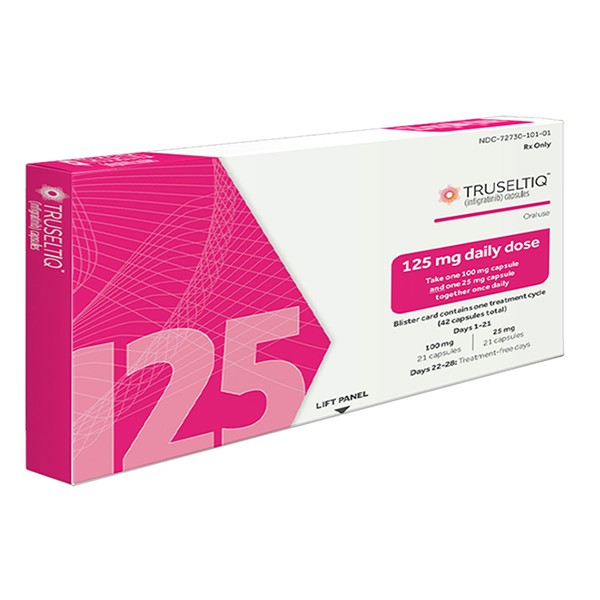
Infigratinib(Truseltiq)
Treatment of previously treated, unresectable locally advanced or metastatic...
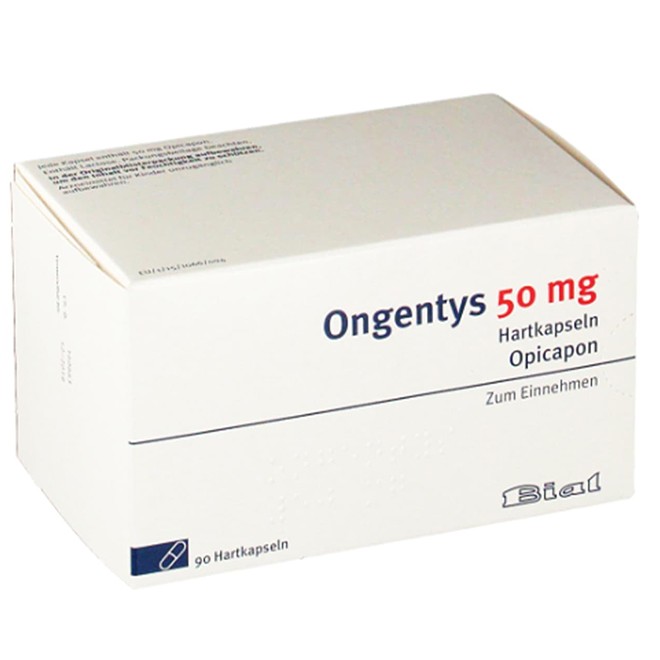
Opicapone(Ongentys)
Opicapone(Ongentys)
Adjunctive treatment to levodopa/carbidopa for reducing "off" episodes in...
Deflazacort(Emflaza)
Treatment of Duchenne muscular dystrophy (DMD) in patients aged 2 years and...
Faricimab-svoa(Vabysmo)
Treatment of neovascular age-related macular degeneration, diabetic macular...
Counselling Service
Global Drug Search
Clinical Research Recruitment
Overseas Medical Treatment
Remote Consultations
Note: Our medical consultant will contact you as soon as possible. We promise to strictly protect your privacy.
Submit
Business
  • Core products
  • Antitumor drugs
  • General drug
  • Antiviral drugs
  • Biological agents
Contact Us 
  • haiousales@gmail.com
Welcome to consult
Seagull Pharmacy.,Ltd All rights reserved