

Ibrutinib has three dosage forms, each with different storage requirements. Mastering the correct storage method is a key step to ensuring drug efficacy and medication safety.
I. Room-temperature storage for capsules and tablets
1. Storage environment
(1) Both capsules and tablets should be stored at room temperature, with a suitable temperature range of 20°C to 25°C.
(2) Short-term exposure to temperatures between 15°C and 30°C (e.g., during transport) is permitted, but prolonged deviation from room temperature is not recommended.
2. Protection of original packaging
(1) Capsules must be kept in the original bottle with the cap tightly closed to avoid moisture or light exposure.
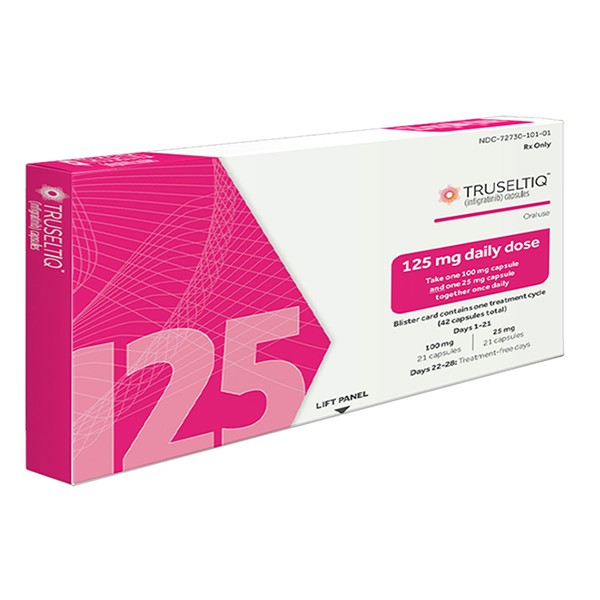
(2) Tablets should be stored in the original carton and not repackaged into pill boxes or plastic bags, so as not to affect stability.
3. Keep away from heat and moisture
(1) Do not place in bathrooms, near kitchen stoves, or next to radiators.
(2) Avoid direct sunlight and choose a cool, dry cabinet for storage.
II. Refrigeration and post-opening management for oral suspension
1. Refrigeration conditions
(1) Oral suspension should be stored at temperatures between 2°C and 25°C, which corresponds to a refrigerator compartment.
(2) Do not freeze, as freezing will destroy the suspension texture and drug uniformity, affecting dose accuracy.
2. Shelf life after opening
(1) After first opening, the "discard date" must be marked on the bottle – which is 60 days from the date of opening.
(2) Any unused portion after 60 days, even if appearance remains unchanged, should be discarded and not used.
3. Storage of accompanying devices
(1) Each box comes with two 3mL oral dosing syringes, which are for exclusive use by this patient and must not be mixed with other medications.
(2) After use, the syringe should be disassembled (plunger removed), rinsed with clean water, dried, and stored in a clean, dry place.
(3) If the syringe graduations become worn or illegible, contact the manufacturer for a replacement promptly.
III. General management principles and safe disposal
1. Child safety protection
(1) Both capsules and oral suspension have child-resistant caps; ensure the cap is tightened after each use.
(2) Tablet cartons should also be placed in a high place out of children's reach to avoid accidental ingestion.
2. Disposal of expired medications
(1) Check the expiration date (EXP) on the packaging; expired medications must not be used.
(2) For suspension, 60 days after opening, dispose of the remaining liquid together with used syringes.
3. Disposal methods
(1) Do not pour remaining liquid down the drain or mix with household waste; consult a pharmacist for proper collection.
(2) After rinsing, used syringes can be placed in household trash, taking care to prevent needle sticks (if applicable; but note these are oral syringes without needles – adjust translation accordingly: actually oral syringes have no needle, so just say "placed in household trash").
(3) If unsure how to dispose, call the service number provided in the medication leaflet for guidance.
4. Precautions for travel or outings
(1) For short trips, capsules or tablets can be carried in their original packaging, avoiding high heat and direct sunlight.
(2) If suspension needs to be carried, use an insulated bag to maintain a suitable temperature, avoiding freezing or overheating.