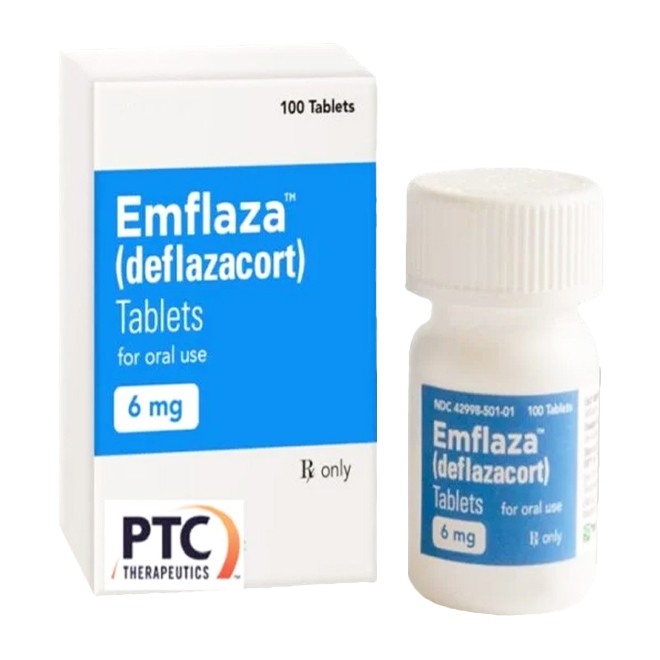


Proper storage methods are crucial to ensuring drug quality and therapeutic efficacy.
I. General Storage Environment Requirements
1. Temperature and Placement
(1) This medicine should be stored at room temperature, and avoid placing it in places with excessively high or low temperatures.
(2) Do not store the medicine in bathrooms, near kitchen stoves, or next to radiators, as these areas are prone to temperature fluctuations.
(3) Keep in a cool, dry, and dark place, and protect from direct sunlight to prevent decomposition of ingredients.
2. Humidity Control Points
(1) The medicine should be kept dry, avoiding contact with moisture or high‑humidity environments.
(3) Do not store the medicine in the refrigerator, as refrigeration may increase the risk of moisture absorption.
3. Keep in Original Packaging
(1) It is recommended to keep the original carton, which effectively protects against light and moisture.
(2) Always tightly close the cap or seal the package opening after each use.
(3) For PTP aluminum foil packaging, only remove the tablet from the blister when using it; do not unpack it prematurely and expose it to air.
II. Precautions During Use
1. Avoid Repackaging and Mixed Storage
(1) It is not recommended to mix Pioglitazone Metformin Tablets with other drugs in the same container to avoid confusion or cross‑contamination.
(2) Do not transfer the medicine to non‑dedicated pill boxes for long‑term storage; temporary repackaging is only for the day’s dosage.
2. Hygienic Handling Procedures
(1) Ensure hands are clean and dry before taking the medicine, and avoid touching the tablet with wet fingers.
(2) If the tablet appears damp, sticky, or discolored, it indicates deterioration due to moisture and should not be used.
3. Special Situations
(1) During hot summer months, consider placing the medicine in a cool and well‑ventilated area, away from windows to avoid heat exposure.
(2) If the medicine is accidentally soaked or dampened, even if no obvious change in appearance is seen, it should be considered ineffective and discarded.
III. Expiry Date Management and Disposal
1. Verify Expiry Date
(1) This product has a shelf life of three years from the date of manufacture.
(2) Check the expiry date printed on the outer package each time you take the medicine; do not consume expired products.
(3) When approaching the expiry date, promptly contact your doctor or pharmacist for a new batch to avoid using expired medicine.
2. Routine Expiry Date Checks
(1) Periodically check the expiry dates of stored medicines at home, and use batches approaching expiry first.
(2) If the medicine shows color change, unusual odor, or altered physical properties, discontinue use even if within the expiry date.
3. Disposal of Unused or Expired Medicine
(1) Expired or deteriorated medicines must not be discarded arbitrarily, nor should they be flushed down the drain or mixed with household waste.
(2) They should be handed over to professional collection points at pharmacies or medical institutions for centralized and harmless treatment.
(3) Before disposal, it is recommended to remove the tablets from the PTP blister, separate them from the packaging, to prevent accidental misuse by others.