info@seagull-health.com
SeagullHealth
语言:
search
new
What is Defitelio? How effective is it in treating transplant-associated thrombotic microangiopathy (TA-TMA)?
501
Article source: Seagull Pharmacy
Jul 10, 2025

Defitelio is a drug specifically used to treat specific diseases and plays an important role in the medical field. The following will introduce the drug properties, therapeutic applications, possible laboratory abnormalities, and prices of Defitelio in detail.

What is Defitelio?

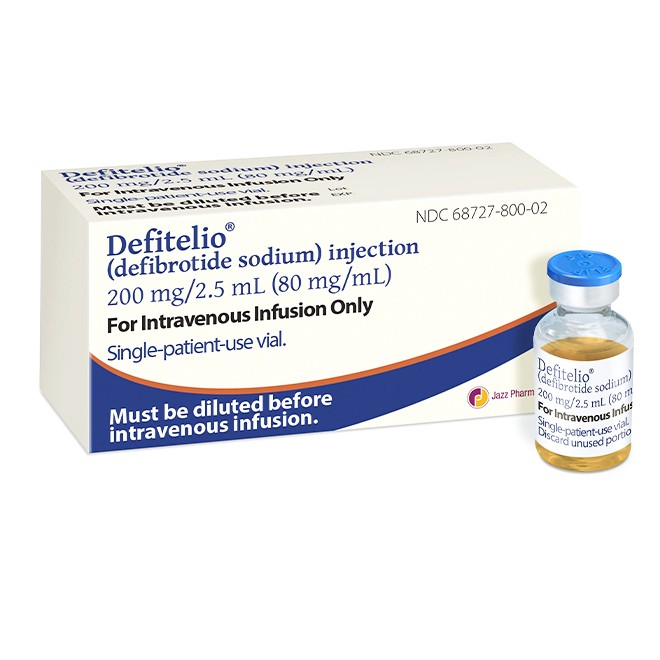
Defibrotide is an original drug produced by Jazz Pharmaceuticals, an Irish biopharmaceutical company. It is a polydisperse mixture of single-stranded oligonucleotides that can stabilize and protect endothelial cells, inhibit thrombosis, and promote fibrinolysis, thereby improving coagulation disorders.

Drug properties

Defibrotide is an injection with a specification of 200mg/2.5mL, which is a transparent light yellow to brown solution. The drug needs to be stored at 20°C-25°C and can be transported at a temperature of 15°C-30°C. The validity period is 40 months.

Indications

Defibrotide sodium is mainly used to treat hepatic veno-occlusive disease (VOD), also known as sinusoidal occlusive syndrome (SOS), in adults and children with renal or pulmonary dysfunction after hematopoietic stem cell transplantation (HSCT). It is also approved for the treatment of patients with severe hepatic VOD.

Defibrotide sodium treats diseases through its multi-target mechanism of action, including inhibiting TNF-α-mediated endothelial cell apoptosis, increasing the expression of tissue plasminogen activator (t-PA) and thrombomodulin, and reducing the expression of von Willebrand factor (vWF) and plasminogen activator inhibitor-1 (PAI-1).

How effective is Defibrotide sodium in treating transplant-associated thrombotic microangiopathy (TA-TMA)?

Transplant-associated thrombotic microangiopathy (TA-TMA) is a serious complication after hematopoietic stem cell transplantation, with an incidence of 0.5% to 76% and a mortality rate of 50% to 90%.

Efficacy studies

Studies have shown that Defibrotide sodium can effectively treat TA-TMA through its anti-thrombotic, thrombolytic, anti-inflammatory and anti-ischemic effects. Low doses (6.25 mg/kg every 12 hours) of Defibrotide sodium have been shown to be safe and effective in the treatment of TA-TMA patients after allogeneic hematopoietic stem cell transplantation. The drug can protect endothelial cells from damage and reduce the expression of endothelial cell proinflammatory factors, thereby reducing the activity of plasma plasminogen activator inhibitor-1 (PAI-1) and increasing the function of tissue plasminogen activator (t-PA) in the body.

Clinical study cases

It has been reported that after treatment with Defibrotide sodium, the patient's platelet count rebounded, hemoglobin levels increased, and fragmented red blood cells in peripheral blood smears decreased, indicating that the condition was relieved.

Defibrotide sodium also has a significant effect in the prevention and treatment of hepatic veno-occlusive disease (VOD) after hematopoietic stem cell transplantation. It can improve the patient's survival rate and liver function, thereby indirectly reducing the risk of TA-TMA.

What laboratory abnormalities may be caused by Defibrotide sodium?

Defibrotide sodium may cause the following laboratory abnormalities when used:

Bleeding tendency and coagulation disorder

Defibrotide sodium may increase the risk of bleeding because it can increase the activity of extracorporeal plasmin. Patients may experience spontaneous bleeding due to coagulation disorders, such as skin bruises, nosebleeds, oral mucosal bleeding, etc. In severe cases, intracranial hemorrhage may occur, which is life-threatening.

Laboratory indicators may show prolonged coagulation time, decreased coagulation factor levels, and prolonged bleeding time.

Anemia and hypofibrinogenemia

Defibrotide sodium may cause anemia. Patients may experience symptoms such as fatigue, dizziness, and palpitations, mainly due to a decrease in the number of red blood cells or a decrease in oxygen-carrying capacity.

Hypofibrinogenemia refers to a decrease in the amount of fibrinogen in the blood, which may increase the risk of bleeding. Laboratory indicators may show a decrease in fibrinogen levels.

Allergic reactions

Although uncommon, Defibrotide sodium may cause allergic reactions, such as urticaria, itching, and shortness of breath. In severe cases, anaphylactic shock may occur.

Laboratory indicators may show eosinophilia, changes in immunoglobulin levels, etc.

Warm reminder: Before using Defibrotide sodium, the doctor will conduct a comprehensive assessment of the patient, including laboratory tests. During the use of Defibrotide sodium, the patient should undergo regular laboratory tests to promptly detect and deal with any possible laboratory abnormalities. The patient should follow the doctor's advice and avoid activities that may increase the risk of bleeding.

Note: For internal discussion among medical personnel only. For specific medication, please consult the attending physician. Drug information may change over time. For the latest information, we recommend adding a medical consultant or consulting for free online.
Defibrotide(Defitelio)
diagnosed with hepatic veno-occlusive disease (VOD), also known as sinusoidal...
WeChat Scan
Free Inquiry
Recommended Articles
Indications of Defitelio
Defitelio is an important therapeutic drug that has shown significant clinical value in specific medical fields. Its unique pharmacological mechanism and clear indications make it a key choice fo...
Effect of OGSIVEO
OGSIVEO is an innovative targeted drug for progressive fibroblastic leukemia. Its clinical efficacy and medication management standards are the focus of patients' attention. The following will be ...
Side effects of Ogsiveo
Ogsiveo is a drug specifically used to treat adult patients with progressive fibroblastic leukemia. Understanding its side effects and how to manage them is important for improving patients' ...
Efficacy of Nirogacestat(OGSIVEO)
Nirogacestat(OGSIVEO) is a new generation of targeted therapy drugs. Its clinical efficacy and medication management details are the focus of patients and medical workers. The following will be e...
How to buy Defitelio
Defitelio is an important drug for the treatment of hepatic veno-occlusive disease after hematopoietic stem cell transplantation. Since it has not yet been launched in China and is expensive, spe...
How much does a Defitelio cost?
Defitelio is a special drug for the treatment of hepatic veno-occlusive disease (VOD) after hematopoietic stem cell transplantation, produced by Jazz Pharmaceuticals of Ireland. At present, Defit...
Defitelio Medication Guide
Defitelio is a key drug used to treat hepatic veno-occlusive disease (VOD) after hematopoietic stem cell transplantation. Its mechanism of action involves endothelial cell protection and coagulat...
Efficacy of Defibrotide
Defibrotide is an important therapeutic drug that shows unique clinical value in specific medical fields. Its core mechanism of action and wide application background make it a key choice for the...
Related Articles
Defibrotide(Defitelio):Clinical Uses, Recommended Dosage, Treatment Effect
Ogsiveo inhibits the activation of Notch receptors by suppressing γ-secretase, thereby interfering with certain cellular signaling pathways and inhibiting the proliferation of tumor cells. It has not ...
Where to buy defibrotide at a lower price?
Defibrotide is an oligonucleotide drug derived from natural DNA degradation products, with antithrombotic and fibrinolytic properties. It is mainly used for the treatment of hepatic veno-occlusive dis...
Dosage and Administration of Defibrotide (Defitelio)
Defibrotide is a drug used to treat hepatic veno-occlusive disease (VOD), and its main component is a thrombolytic enzyme. VOD is a rare and serious liver disease characterized by impaired blood circu...
Precautions for Defibrotide
Defibrotide generic is a drug used to treat hepatic veno-occlusive disease. Even though it is a generic drug, there are still some precautions to note during use to ensure safety and effectiveness. Th...
Side Effects of Defibrotide
Defibrotide is a drug used to treat hepatic veno-occlusive disease, primarily functioning to promote the protection and repair of vascular endothelial cells, and alleviate thrombosis and damage caused...
How much does Defitelio cost per box?
Defibrotide is a mixture of single-stranded oligonucleotides derived from the genomic DNA of calf lung or porcine intestinal mucosa. It is indicated for adult and pediatric patients with hepatic veno-...
Indications for Defibrotide
Defibrotide is a medication used to treat hepatic veno-occlusive disease (VOD). Before deciding whether to use defibrotide, doctors will evaluate the patient's condition and related factors. This ...
Therapeutic Effects of Defibrotide
Defibrotide, as a commonly used medication, has gained widespread recognition for its efficacy in the treatment of various diseases. However, like many drugs, when used concurrently with other medicat...
New Drugs
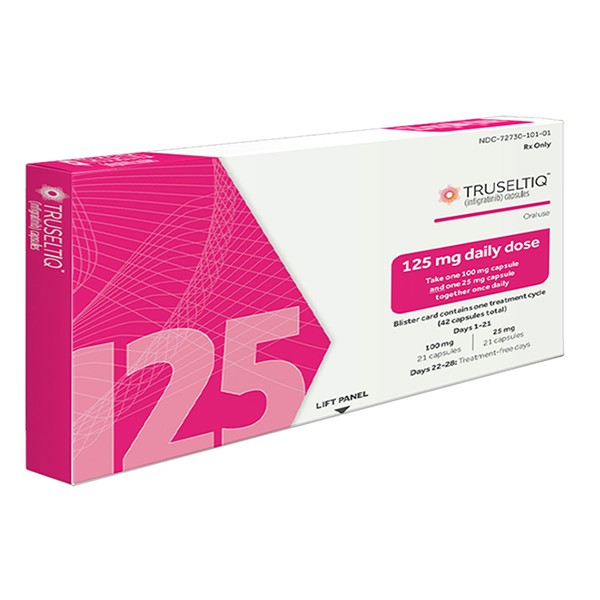
Infigratinib(Truseltiq)
Treatment of previously treated, unresectable locally advanced or metastatic...
Opicapone(Ongentys)
Opicapone(Ongentys)
Adjunctive treatment to levodopa/carbidopa for reducing "off" episodes in...
Deflazacort(Emflaza)
Treatment of Duchenne muscular dystrophy (DMD) in patients aged 2 years and...
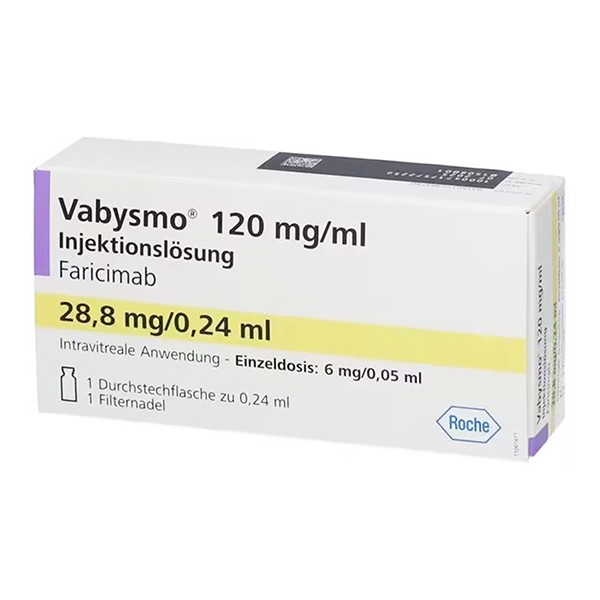
Faricimab-svoa(Vabysmo)
Treatment of neovascular age-related macular degeneration, diabetic macular...
Counselling Service
Global Drug Search
Clinical Research Recruitment
Overseas Medical Treatment
Remote Consultations
Note: Our medical consultant will contact you as soon as possible. We promise to strictly protect your privacy.
Submit
Business
  • Core products
  • Antitumor drugs
  • General drug
  • Antiviral drugs
  • Biological agents
Contact Us 
  • mailbox:info@lucius.la
Welcome to consult
ucius Pharmaceuticals (Lao) Co.,Ltd All rights reserved