info@seagull-health.com
SeagullHealth
语言:
search
new
What Are the Side Effects of Natalizumab?
503
Article source: Seagull Pharmacy
Sep 26, 2025

Natalizumab is primarily used in the treatment of patients with relapsing multiple sclerosis to reduce the frequency of clinical attacks. As an α4-integrin inhibitor, it exerts its therapeutic effect by blocking leukocyte migration. Various side effects may occur during the use of this biological agent, and some of them can be quite severe.

What Are the Side Effects of Natalizumab?

Systemic Reactions

Clinical data show that approximately 35% of patients may experience headache, 24% may have fatigue, 15% report joint pain, 7% may develop allergic reactions, and 4% may feel chest discomfort.

About 3% of patients may experience local bleeding and chills, while 2% may have syncope.

Infection-Related Reactions

Approximately 18% of patients may develop urinary tract infections, 15% may have lower respiratory tract infections, 9% report gastroenteritis, 8% of female patients may experience vaginitis, and 5% may have tonsillitis.

These infections are mostly upper respiratory tract infections, influenza, and urinary tract infections.

Psychiatric and Neurological Reactions

Approximately 17% of patients may experience depressive symptoms, including 0.5% who may have suicidal ideation.

3% of patients may develop tremors.

Gastrointestinal Reactions

About 10% of patients report abdominal discomfort, and 5% may have abnormal liver function test results.

Severe Side Effects of Natalizumab That Require Vigilance

Hypersensitivity Reactions

Natalizumab may cause severe hypersensitivity reactions, including anaphylaxis (incidence < 1%).

These reactions usually occur within 2 hours after the start of infusion, and symptoms may include urticaria, dizziness, fever, rash, chills, pruritus, nausea, flushing, hypotension, dyspnea, and chest pain.

Once a hypersensitivity reaction occurs, the infusion should be stopped immediately and appropriate treatment initiated. Such patients should not receive Natalizumab again.

Progressive Multifocal Leukoencephalopathy (PML)

Natalizumab is associated with an increased risk of progressive multifocal leukoencephalopathy (PML), a rare but severe brain infection.

This disease, caused by the JC virus, can lead to severe disability or death and requires special vigilance.

Severe Infections

In clinical studies, the incidence of severe infections in patients treated with Natalizumab was 2.1%. The most common type was pneumonia (0.6%).

Although most patients did not discontinue treatment during the infection period, immunocompromised patients may face a higher risk of infection.

Hepatobiliary System Issues

Approximately 0.8% of patients may develop cholelithiasis, which is also one of the severe adverse reactions requiring attention.

Hematological Effects

Natalizumab increases the number of circulating leukocytes (including lymphocytes, monocytes, basophils, and eosinophils) but has no effect on the number of neutrophils.

This effect is usually reversible within 16 weeks after drug discontinuation.

Precautions for Natalizumab Administration

Administration in Special Populations

Pregnant women (Category C): Animal studies have shown that high doses may affect the fetus, while data in humans are limited. The use of Natalizumab in pregnant women requires weighing the benefits and risks, and consideration should be given to discontinuing the drug.

Lactating women: It is not yet clear whether the drug is excreted in breast milk. A cautious decision should be made on whether to continue breastfeeding or the medication.

Children: The efficacy of Natalizumab in patients under 18 years of age has not been studied, and its use is not recommended.

Elderly patients: Clinical study data are insufficient, so careful evaluation is required.

Immune-Related Precautions

Approximately 10% of patients develop antibodies against Natalizumab, among which 6% are persistently positive.

Positive antibodies may reduce the efficacy of the drug and increase the risk of infusion reactions.

Antibody testing should be performed regularly during treatment (e.g., once every 12 weeks).

Laboratory Monitoring

During treatment, regular complete blood count monitoring should be conducted, with attention to changes in lymphocytes, monocytes, and other cell types.

Patients with abnormal liver function also need enhanced monitoring.

Note: For internal discussion among medical personnel only. For specific medication, please consult the attending physician. Drug information may change over time. For the latest information, we recommend adding a medical consultant or consulting for free online.
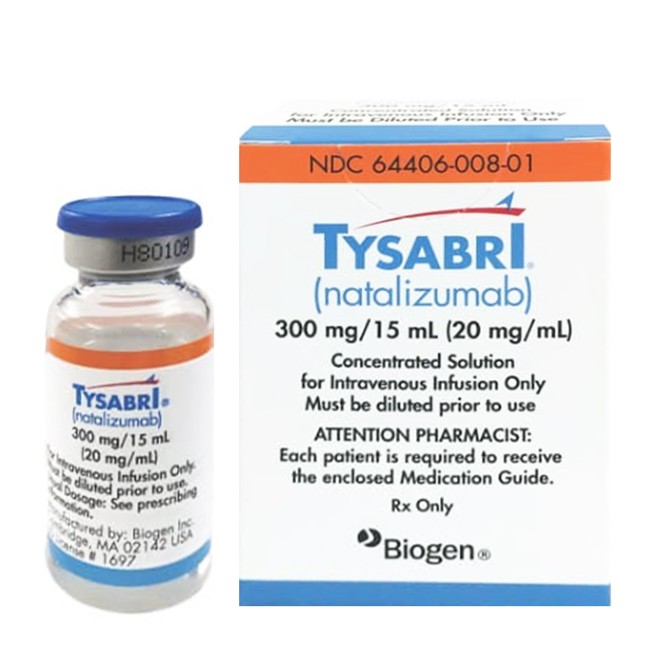
Natalizumab(Tysabri)
It is indicated for the monotherapy of relapsing multiple sclerosis in adults,...
WeChat Scan
Free Inquiry
Recommended Articles
How to Use Natalizumab
Natalizumab is a recombinant humanized IgG4κ monoclonal antibody, primarily indicated for the treatment of relapsing multiple sclerosis.How to Use NatalizumabAdministration RegimenThe standard recomme...
Indications for Natalizumab
Natalizumab is a recombinant humanized IgG4κ monoclonal antibody, manufactured by Biogen Idec Inc. As an important biological agent, it has a unique role and clinical value in the field of multiple sc...
How to Purchase Loteprednol Etabonate Suspension Eye Drops (Lotemax)
Loteprednol Etabonate Suspension Eye Drops (Lotemax) is a commonly used corticosteroid ophthalmic preparation, mainly indicated for the treatment of inflammatory eye diseases. As a prescription medica...
How to Purchase Tretinoin Capsules
Tretinoin Capsules are a prescription medication used for the treatment of acute promyelocytic leukemia (APL). Due to their specific properties and potential risks, extra caution is required during pu...
How to Purchase Emicizumab
Emicizumab is a bispecific antibody drug used for preventing bleeding in patients with hemophilia A. Due to its specific properties as a biological agent, it must be purchased through formal channels,...
How to Use Emicizumab
Emicizumab is a bispecific antibody drug used for preventing bleeding in patients with hemophilia A.How to Use EmicizumabRoute of AdministrationEmicizumab is for subcutaneous injection only and must n...
How to Purchase Cemiplimab
Cemiplimab is a PD-1 inhibitor approved for the treatment of patients with metastatic or locally advanced cutaneous squamous cell carcinoma (CSCC) who are not eligible for curative surgery or curative...
Indications of Cemiplimab
Cemiplimab is an important immunotherapeutic drug classified as a programmed death receptor-1 (PD-1) blocking antibody. As a major breakthrough in the field of cancer immunotherapy in recent years, th...
Related Articles
How to Use Sabril (Vigabatrin)
Sabril (vigabatrin) is an antiepileptic drug used to treat specific types of seizures, with vigabatrin as its main active ingredient.How to Use Sabril (Vigabatrin)Administration Route and Dosage Forms...
How to Use Natalizumab
Natalizumab is a humanized monoclonal antibody targeting α4-integrin, indicated for the treatment of relapsing multiple sclerosis (MS).How to Use NatalizumabStandard Dosing RegimenDose and Frequency: ...
What Are the Side Effects of Natalizumab?
Natalizumab is a monoclonal antibody medication used for the treatment of relapsing forms of multiple sclerosis (MS). It exerts its effect by inhibiting α4-integrin-mediated migration of immune cells....
How Effective is Natalizumab?
Natalizumab is a recombinant humanized IgG4κ monoclonal antibody. As a key medication in the field of multiple sclerosis (MS) treatment, its unique α4-integrin inhibitory effect provides a new therape...
Precautions for Taking Natalizumab
Natalizumab is a recombinant humanized monoclonal antibody targeting α4-integrin. It exerts its therapeutic effect by inhibiting the migration of immune cells but may cause severe immune-related adver...
Indications for Natalizumab
Natalizumab is an important biologic agent produced by Biogen Idec. As a recombinant humanized IgG4κ monoclonal antibody, this medication demonstrates favorable efficacy in the treatment of specific d...
Precautions for Natalizumab Administration
Natalizumab is a recombinant humanized IgG4κ monoclonal antibody. By specifically inhibiting α4-integrin-mediated immune cell migration, it is used for the treatment of relapsing multiple sclerosis.Pr...
What Are the Side Effects of Natalizumab?
Natalizumab is primarily used in the treatment of patients with relapsing multiple sclerosis to reduce the frequency of clinical attacks. As an α4-integrin inhibitor, it exerts its therapeutic effect ...
New Drugs
Infigratinib(Truseltiq)
Treatment of previously treated, unresectable locally advanced or metastatic...
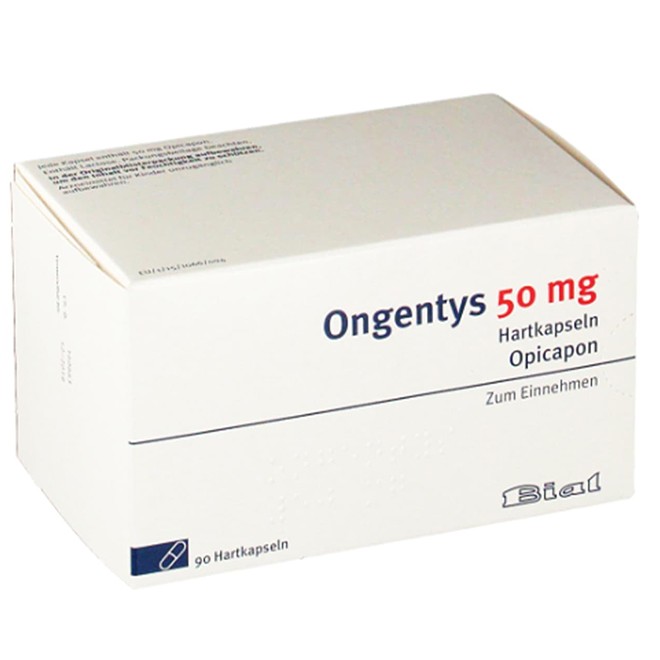
Opicapone(Ongentys)
Opicapone(Ongentys)
Adjunctive treatment to levodopa/carbidopa for reducing "off" episodes in...
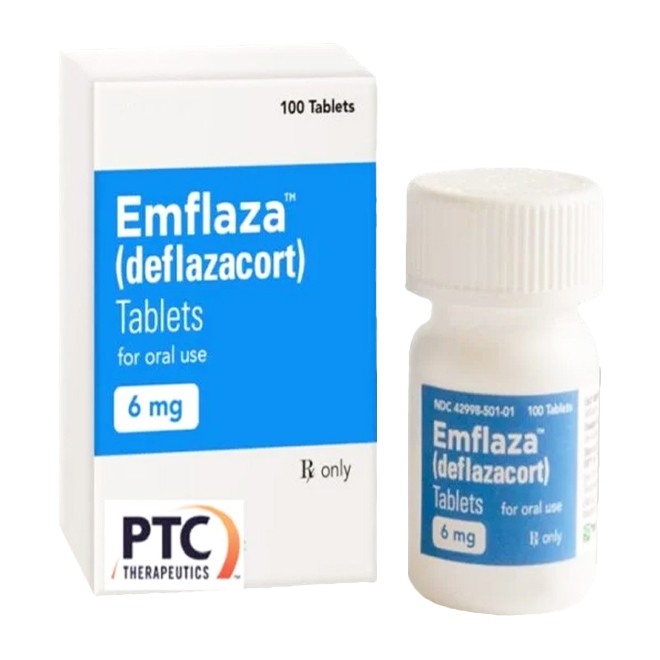
Deflazacort(Emflaza)
Treatment of Duchenne muscular dystrophy (DMD) in patients aged 2 years and...
Faricimab-svoa(Vabysmo)
Treatment of neovascular age-related macular degeneration, diabetic macular...
Counselling Service
Global Drug Search
Clinical Research Recruitment
Overseas Medical Treatment
Remote Consultations
Note: Our medical consultant will contact you as soon as possible. We promise to strictly protect your privacy.
Submit
Business
  • Core products
  • Antitumor drugs
  • General drug
  • Antiviral drugs
  • Biological agents
Contact Us 
  • mailbox:info@lucius.la
Welcome to consult
ucius Pharmaceuticals (Lao) Co.,Ltd All rights reserved