info@seagull-health.com
SeagullHealth
语言:
search
new
Precautions for Pramipexole Administration
502
Article source: Seagull Pharmacy
Oct 24, 2025

Pramipexole is a non-ergot dopamine receptor agonist used for the treatment of Parkinson's Disease (PD) and moderate-to-severe primary Restless Legs Syndrome (RLS). Its efficacy and safety are highly dependent on individualized medication regimens and standardized monitoring.

Precautions for Pramipexole Administration

1. Contraindication Screening

(1) Concurrent use with dopamine antagonists (e.g., phenothiazines, metoclopramide) is prohibited, as this may reduce the efficacy of pramipexole.

(2) Concurrent use with strong CYP3A4 inhibitors (e.g., ketoconazole) should be avoided, as this may increase pramipexole’s plasma concentration.

(3) Contraindications in special populations: Patients with moderate-to-severe renal impairment require dosage adjustment; for pregnant women, the benefits and risks must be weighed (animal studies have shown potential embryotoxicity).

2. Management of Special Populations

(1) Elderly patients: The clearance rate of pramipexole decreases by 30%, so cautious dose titration is required.

(2) Patients with hepatic impairment: No dosage adjustment is needed for mild-to-moderate hepatic impairment; there is insufficient data for patients with severe hepatic impairment.

3. Adverse Reaction Warnings

(1) Daytime somnolence and sudden sleep attacks: The incidence is >5%, and these symptoms may occur without warning. Caution is required when driving or operating machinery.

(2) Orthostatic hypotension: This is particularly likely to occur during the dose escalation phase; it is recommended to change body positions slowly.

(3) Impulse control disorders: Approximately 10% of patients may experience conditions such as pathological gambling and binge eating, so regular assessment of behavioral changes is necessary.

4. Management of Drug Interactions

(1) Cimetidine: May increase the AUC (Area Under the Curve) of pramipexole by 50%, requiring dosage reduction and monitoring.

(2) Levodopa: When used in combination, a 20%–30% reduction in the levodopa dosage may be necessary.

5. Administration Standards

(1) Usage: Swallow the tablets whole; administration can be with or without meals. If a dose is missed, do not take a double dose to make up for the missed one.

(2) Treatment conversion: When switching from the extended-release formulation to immediate-release tablets, re-titration of the dose is required.

Pramipexole Administration Monitoring

1. Tracking of Efficacy Indicators

(1) Parkinson's Disease: Improvement in scores on the UPDRS (Unified Parkinson's Disease Rating Scale) (target: ≥30% improvement in motor function scores).

(2) Restless Legs Syndrome: Reduction in scores on the IRLS (International Restless Legs Syndrome Scale) (target: ≥50% reduction in symptom severity).

2. Safety Monitoring

(1) Nervous system: Evaluate hallucinations, somnolence, and impulsive behaviors every 3 months.

(2) Cardiovascular system: Monitor supine and standing blood pressure after the first dose.

(3) Laboratory tests: For patients with renal impairment, regularly monitor creatinine clearance.

3. Management of Special Reactions

(1) Withdrawal syndrome: Sudden discontinuation of the medication may cause hyperthermia and confusion; gradual dosage reduction is required.

(2) Retinopathy: Patients on long-term treatment who experience changes in vision should undergo an ophthalmological evaluation.


Note: For internal discussion among medical personnel only. For specific medication, please consult the attending physician. Drug information may change over time. For the latest information, we recommend adding a medical consultant or consulting for free online.
Pramipexole(Sifrol)
Pramipexole(Sifrol)
Used for the management of Parkinson’s disease and moderate-to-severe primary...
WeChat Scan
Free Inquiry
Recommended Articles
Indications for Indications for Pramipexole
Pramipexole is a non-ergot dopamine receptor agonist, primarily indicated for the treatment of Parkinson's Disease (PD) and moderate-to-severe primary Restless Legs Syndrome (RLS).Indications for ...
What Are the Side Effects of Eliglustat (Cerdelga)?
Eliglustat (Cerdelga) is a glucosylceramide synthase inhibitor used for the long-term treatment of Type 1 Gaucher Disease in adults, with eliglustat as its active ingredient.What Are the Side Effects ...
Precautions for Eliglustat (Cerdelga) Administration
Eliglustat (Cerdelga) is a glucosylceramide synthase inhibitor indicated for the long-term treatment of Type 1 Gaucher Disease (GD1) in adults. Its efficacy and safety are highly dependent on individu...
Indications for Eliglustat (Cerdelga)
Eliglustat (Cerdelga) is an oral medication used for the treatment of Type 1 Gaucher Disease (GD1). It alleviates the symptoms of Gaucher Disease by reducing the production of glucosylceramide (GL-1)....
What Are the Side Effects of Pramipexole?
Pramipexole is a non-ergot dopamine agonist used for the treatment of Parkinson's Disease and moderate-to-severe primary Restless Legs Syndrome (RLS). As a dopamine receptor agonist, while it impr...
How to Use Odevixibat (Bylvay)
Odevixibat (Bylvay) is an ileal bile acid transporter (IBAT) inhibitor used for the treatment of pruritus associated with progressive familial intrahepatic cholestasis (PFIC) and Alagille syndrome (AL...
Precautions for Odevixibat (Bylvay) Administration
Odevixibat (Bylvay) is an ileal bile acid transporter (IBAT) inhibitor. It is indicated for the treatment of progressive familial intrahepatic cholestasis (PFIC)-related pruritus in patients aged 3 mo...
What Are the Side Effects of Odevixibat (Bylvay)?
Odevixibat (Bylvay) is a selective ileal bile acid transporter (IBAT) inhibitor, indicated for the treatment of pruritus associated with progressive familial intrahepatic cholestasis (PFIC) and Alagil...
Related Articles
How to Use Pramipexole
Pramipexole is a non-ergot dopamine receptor agonist, mainly used for the treatment of Parkinson's disease (PD) and moderate-to-severe primary restless legs syndrome (RLS). Its efficacy and effect...
How to Purchase Pramipexole
Pramipexole is a non-ergot dopamine receptor agonist, primarily indicated for the treatment of Parkinson's disease and moderate-to-severe primary restless legs syndrome (RLS). Due to its unique ph...
What Are the Side Effects of Pramipexole?
Pramipexole is a non-ergot dopamine agonist used for the treatment of Parkinson's Disease and moderate-to-severe primary Restless Legs Syndrome (RLS). As a dopamine receptor agonist, while it impr...
Precautions for Pramipexole Administration
Pramipexole is a non-ergot dopamine receptor agonist used for the treatment of Parkinson's Disease (PD) and moderate-to-severe primary Restless Legs Syndrome (RLS). Its efficacy and safety are hig...
Indications for Indications for Pramipexole
Pramipexole is a non-ergot dopamine receptor agonist, primarily indicated for the treatment of Parkinson's Disease (PD) and moderate-to-severe primary Restless Legs Syndrome (RLS).Indications for ...
New Drugs
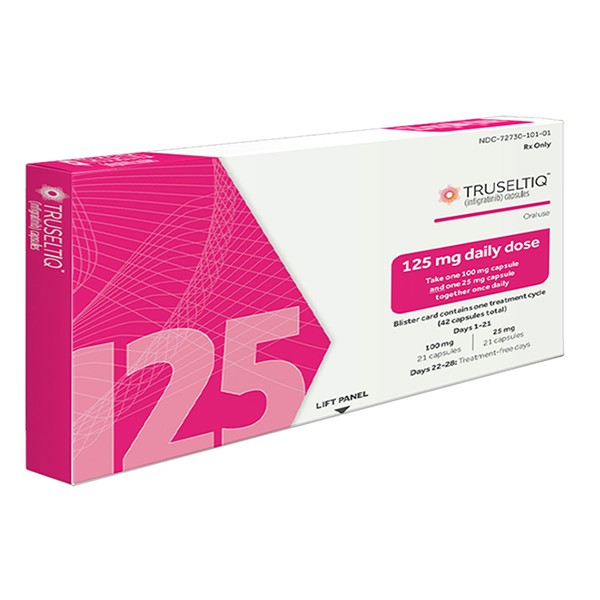
Infigratinib(Truseltiq)
Treatment of previously treated, unresectable locally advanced or metastatic...
Opicapone(Ongentys)
Opicapone(Ongentys)
Adjunctive treatment to levodopa/carbidopa for reducing "off" episodes in...
Deflazacort(Emflaza)
Treatment of Duchenne muscular dystrophy (DMD) in patients aged 2 years and...
Faricimab-svoa(Vabysmo)
Treatment of neovascular age-related macular degeneration, diabetic macular...
Counselling Service
Global Drug Search
Clinical Research Recruitment
Overseas Medical Treatment
Remote Consultations
Note: Our medical consultant will contact you as soon as possible. We promise to strictly protect your privacy.
Submit
Business
  • Core products
  • Antitumor drugs
  • General drug
  • Antiviral drugs
  • Biological agents
Contact Us 
  • mailbox:info@lucius.la
Welcome to consult
ucius Pharmaceuticals (Lao) Co.,Ltd All rights reserved