

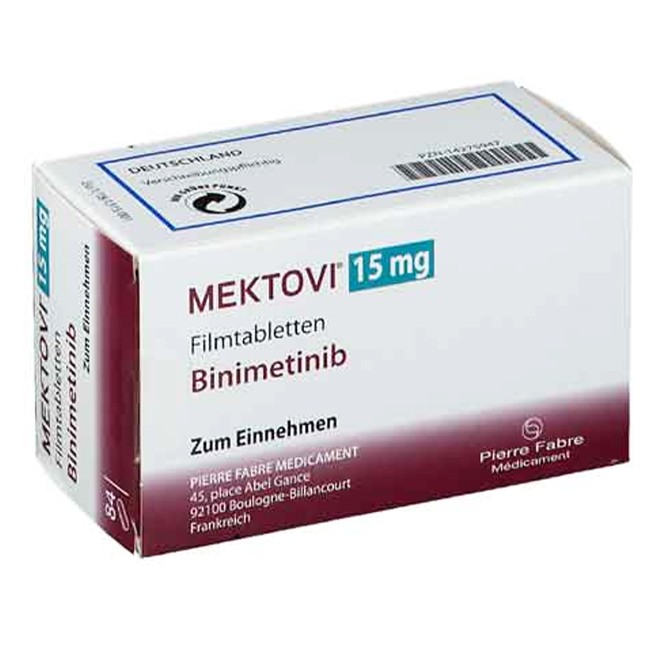
Binimetinib (Mektovi) is a MEK inhibitor, usually used in combination with encorafenib, for the treatment of unresectable or metastatic melanoma positive for BRAF V600E or V600K mutations, as well as metastatic non-small cell lung cancer (NSCLC) positive for BRAF V600E mutations.
What Are the Precautions for Binimetinib (Mektovi) Use?
Strictly Follow Genetic Testing and Indications
Binimetinib must be used in combination with encorafenib, and is only applicable to patients confirmed to have BRAF V600E or V600K mutations through FDA-approved detection methods.
Before starting treatment, genetic testing must be completed using tumor tissue or plasma samples to ensure the patient meets the medication eligibility criteria.
Be Aware of Synergistic Risks of Combined Medication
The combined use of binimetinib and encorafenib may increase the risk of various adverse reactions, including new cutaneous and non-cutaneous malignant tumors, cardiac dysfunction, venous thrombosis, and ocular diseases.
Patients should use the combined medications throughout the treatment course under the guidance of a doctor, and must not adjust the dosage or discontinue either drug without authorization.
Contraindications for Medication Use in Special Populations
Pregnant women: Binimetinib may cause harm to the fetus and is contraindicated in pregnant women. Women of childbearing age must undergo a pregnancy test before medication use, and take effective contraceptive measures during treatment and within 30 days after the last dose.
Lactating women: Breastfeeding is prohibited during medication use and within 3 days after the last dose.
Patients with hepatic impairment: Patients with moderate or severe hepatic impairment need to adjust the dose to 30mg twice daily, while patients with mild hepatic impairment do not require dose adjustment.
Avoid Concurrent Use with Certain Drugs
Currently, no clear clinical drug-drug interactions have been identified for binimetinib.
However, patients should still inform the doctor of all drugs they are currently using, including prescription drugs, over-the-counter drugs, health supplements, and Chinese herbal medicines, to avoid potential adverse interactions.
Diet and Medication Timing
Binimetinib can be taken with or without food, twice daily, with an interval of approximately 12 hours.
If a dose is missed, it should be taken immediately upon remembering. But if it is close to the time for the next dose (within 6 hours), the missed dose should be skipped, and a double dose must not be taken.
Medication Monitoring for Binimetinib (Mektovi)
Cardiac Function Monitoring
Binimetinib may cause cardiomyopathy, manifested as a decrease in left ventricular ejection fraction (LVEF).
It is recommended to perform an echocardiogram or MUGA scan before treatment, 1 month after the start of treatment, and then every 2 to 3 months thereafter to assess cardiac function.
If symptoms of heart failure occur (such as shortness of breath, lower extremity edema, palpitations, etc.), the patient should seek medical attention immediately.
Skin and Systemic Tumor Screening
Combined treatment may increase the risk of new malignant tumors such as cutaneous squamous cell carcinoma and basal cell carcinoma.
Patients should undergo regular skin examinations before treatment, every 2 months during treatment, and within 6 months after drug discontinuation. They should also report any new skin lesions or changes in existing moles.
Ocular Symptom Monitoring
Binimetinib may cause serous retinopathy, retinal vein occlusion, or uveitis.
Patients should undergo regular ophthalmological examinations, and seek medical attention immediately if symptoms such as blurred vision, distorted vision, floaters, or eye pain occur.
Liver Function and Hematological Monitoring
During treatment, it is necessary to regularly test indicators such as liver enzymes (ALT, AST), bilirubin, and alkaline phosphatase, especially in the early stage of treatment and during dose adjustment.
Routine blood tests, creatine kinase (CPK), and renal function should be monitored to detect hepatotoxicity, muscle injury, or hematological abnormalities in a timely manner.
Venous Thrombosis and Bleeding Risk Assessment
Patients should be alert to symptoms of deep vein thrombosis and pulmonary embolism, such as unilateral limb swelling, chest pain, and difficulty breathing.
Pay attention to any signs of abnormal bleeding, such as bloody stools, hemoptysis, and subcutaneous ecchymosis. If necessary, imaging tests or coagulation function tests should be performed.

Free Inquiry