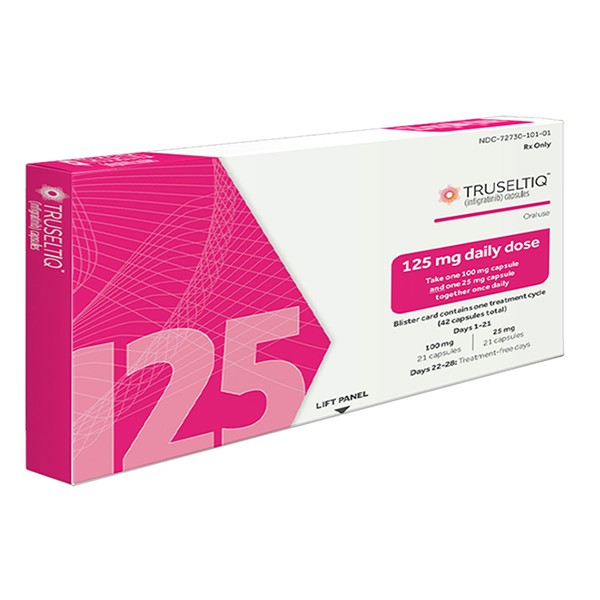


Niraparib (Zejula), as a PARP inhibitor, can prolong survival in patients with ovarian cancer but may also cause a range of adverse reactions.
Common Side Effects
1. Hematologic Reactions
Thrombocytopenia (incidence up to over 60%), anemia (56%), and neutropenia (31%) are the most common hematologic toxicities.
2. Digestive System Reactions
(1) Nausea occurs in up to 65% of patients, vomiting in 33%, and constipation in 39%. Abdominal pain and decreased appetite are also common.
(2) Most nausea is mild to moderate but may affect medication adherence.
3. Constitutional Reactions
(1) Fatigue occurs in 55% of patients, possibly accompanied by headache (26%), insomnia (25%), and dizziness (19%).
(2) Musculoskeletal pain (36%) and back pain are also common.
4. Cardiovascular and Metabolic Reactions
(1) Hypertension occurs in 18% of patients, and some may experience tachycardia.
(2) Laboratory abnormalities include elevated blood glucose, elevated liver enzymes (AST/ALT), and hypomagnesemia.
5. Other Side Effects Requiring Caution
A small number of patients may experience reversible posterior leukoencephalopathy syndrome (manifested as headache, visual changes, seizures), interstitial pneumonia, photosensitivity, and cognitive impairment.
Methods to Alleviate Side Effects
1. Management of Thrombocytopenia
(1) Monitor complete blood count weekly during the first month of treatment.
(2) If platelets fall below 100,000/mcL, interrupt treatment; if below 75,000/mcL, reduce the dose.
(3) Consider platelet transfusion if platelets fall below 10,000/mcL.
(4) Avoid injuries, use a soft-bristle toothbrush, and watch for gum bleeding or skin bruising.
2. Management of Nausea and Vomiting
(1) Take the medication at bedtime to reduce nausea.
(2) Eat a small amount of crackers or bread before taking the medication; avoid taking it on an empty stomach.
(3) Choose bland, easily digestible foods and eat small, frequent meals.
(4) For severe nausea, the doctor may prescribe antiemetics.
(5) Do not take a missed dose after vomiting; take the next dose as scheduled.
3. Management of Fatigue and Anemia
(1) Ensure adequate rest during fatigue and schedule short naps during the day.
(2) Moderate walking may improve energy levels, but avoid strenuous exercise.
(3) For severe anemia, treatment interruption or red blood cell transfusion may be required, along with iron-rich and protein-rich foods.
4. Monitoring Blood Pressure and Heart Rate
(1) Measure blood pressure and heart rate weekly for the first 2 months, then monthly during the first year.
(2) If blood pressure increases, take antihypertensive medication as prescribed; adjust niraparib dose if necessary.
5. Management of Constipation and Diarrhea
(1) Drink 1.5 to 2 liters of water daily and increase dietary fiber (whole grains, vegetables).
(2) Engage in appropriate physical activity to promote bowel motility.
(3) For severe constipation, use stool softeners; for diarrhea, maintain hydration to prevent dehydration.
6. Recognizing Emergency Situations
(1) Seek immediate medical attention if fever, chills, frequent infections, unusual bleeding, or difficulty breathing occurs.
(2) If sudden severe headache, blurred vision, confusion, or seizures occur, be alert for posterior reversible encephalopathy syndrome and seek emergency treatment.
Storage Conditions
1. Unopened niraparib capsules should be stored at room temperature between 20°C and 25°C, with brief excursions permitted between 15°C and 30°C.
2. Avoid storing in humid or hot places such as bathrooms or kitchens.
3. Keep the medication out of reach of children.
4. Ensure the bottle cap is tightly closed; close it promptly after each dispensing.
5. Do not use expired medication; dispose of it according to local pharmaceutical waste regulations.