

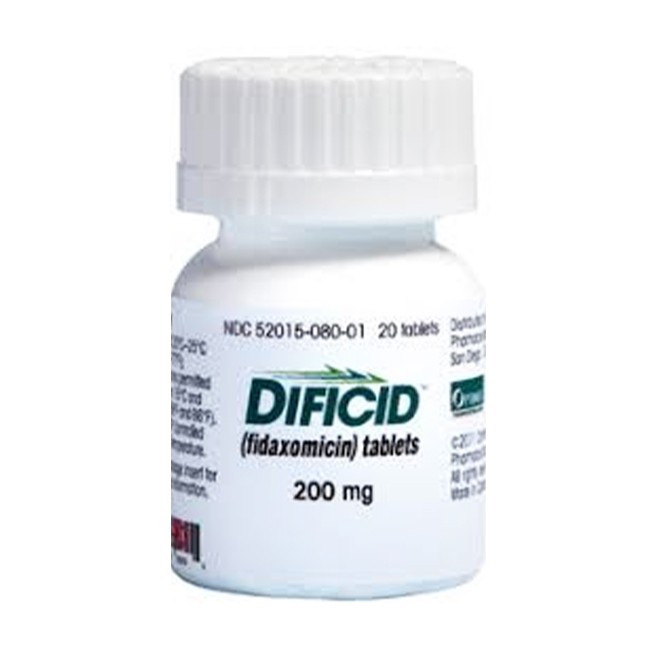
Fidaxomicin (Dificid) is a specialized antibiotic for the treatment of Clostridioides difficile-associated diarrhea, with a good safety profile.
Common side effects of fidaxomicin (Dificid)
1. Common side effects in adults (incidence ≥2%):
(1) Nausea, vomiting, abdominal pain, gastrointestinal hemorrhage, anemia, neutropenia.
(2) Most side effects are mild to moderate and resolve spontaneously after discontinuation.
2. Common side effects in children (incidence ≥5%):
(1) Fever, abdominal pain, vomiting, diarrhea, constipation, elevated liver enzymes, rash.
(2) Side effects in children are generally manageable and similar to those in adults.
3. Less common side effects (incidence ≤2%):
Bloating, dyspepsia, flatulence, pruritus, rash, elevated alkaline phosphatase, thrombocytopenia, hyperglycemia, etc.
Serious side effects of fidaxomicin (Dificid) requiring vigilance
1. Allergic reactions:
(1) Although rare, acute allergic reactions may occur, manifesting as dyspnea, rash, itching, swelling of the lips/face/throat.
(2) If any of the above symptoms occur, discontinue the drug immediately and seek medical attention.
(3) Caution is needed in patients allergic to macrolide antibiotics (e.g., erythromycin, azithromycin).
2. Signs of bleeding:
(1) About 4% of adult patients experience gastrointestinal bleeding.
(2) If you notice blood in stool, black stools, hematemesis, or severe abdominal pain, inform your doctor promptly.
3. Recurrence of infection:
(1) After completing the 10-day course, a small number of patients may experience diarrhea recurrence.
(2) If this occurs, do not repeat the medication on your own; seek medical evaluation to determine whether it is a recurrence of C. difficile infection or another cause.
Ways to relieve side effects of fidaxomicin (Dificid)
1. Nausea and vomiting:
(1) Taking the medication after meals may reduce gastrointestinal irritation.
(2) Eat small, frequent meals and avoid greasy foods. If symptoms are significant, consult your doctor about using antiemetic medication.
(3) Stay well hydrated during treatment to prevent dehydration.
2. Managing abdominal pain:
(1) Mild abdominal pain usually does not require special treatment.
(2) Try applying a warm compress to the abdomen and resting.
(3) If the pain persists or worsens, or is accompanied by fever or blood in stool, seek medical attention to rule out serious intestinal issues.
3. Diarrhea management:
(1) Fidaxomicin itself is a medication for treating diarrhea.
(2) Some patients may still experience diarrhea while taking the medication; this is often a normal reaction as the drug clears the bacteria.
(3) Maintain fluid and electrolyte intake, and avoid using antidiarrheal agents on your own to prevent toxin retention.
4. Rash and itching:
(1) Keep skin clean and dry, and use gentle, non-irritating skincare products.
(2) Avoid scratching to prevent secondary infection. If the rash spreads or is accompanied by fever, inform your doctor.
5. Fever care:
(1) Fever is common in children during treatment.
(2) Monitor body temperature and drink plenty of fluids. If the fever is too high or persistent, other possible infections should be ruled out.
6. Complete the full course:
(1) Even if symptoms improve early, you must complete the full 10-day course.
(2) Stopping early may lead to infection recurrence or development of resistant bacteria. This is the most important step in preventing recurrence.
Drug storage conditions
1. Tablet storage:
(1) Store at room temperature between 20°C and 25°C, with brief excursions permitted between 15°C and 30°C.
(2) Keep in the original container, protected from light and moisture.
2. Dry powder for oral suspension (unreconstituted):
Store at room temperature as well. Do not open the aluminum foil pouch until ready to prepare.
3. Reconstituted oral suspension:
(1) Must be refrigerated at 2°C to 8°C and may be used for 12 days.
(2) Remove from the refrigerator 15 minutes before each use, shake well, and measure the accurate dose using a dosing device. After use, immediately cap tightly and return to the refrigerator.
(3) Discard any unused portion after 12 days.
4. Carrying
(1) For short trips, the medication can be kept in an insulated bag or cool pack, avoiding high temperatures and direct sunlight.
(2) If traveling, confirm in advance whether refrigeration is available at your destination.

Free Inquiry