

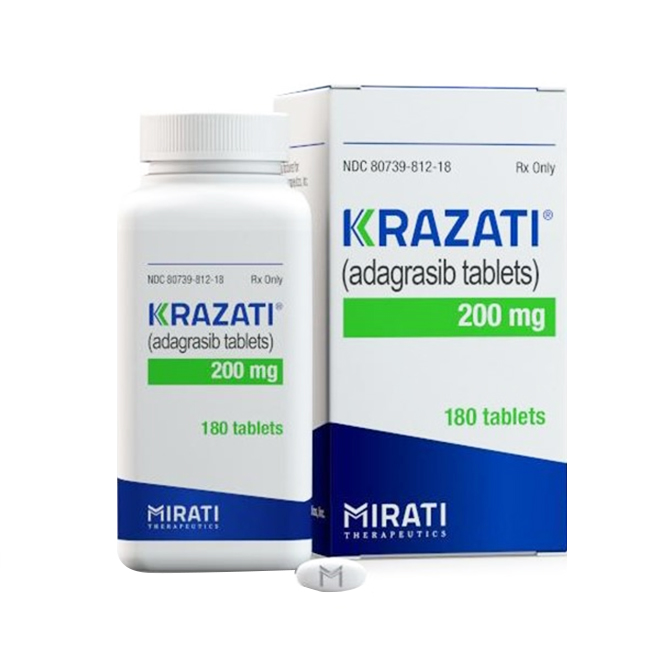
Adagrasib is a targeted therapy for KRAS G12C mutations, used as monotherapy for non-small cell lung cancer and in combination with cetuximab for colorectal cancer.
What Are the Common Side Effects?
1. Monotherapy for Non-Small Cell Lung Cancer:
(1) Nausea, diarrhea, vomiting, fatigue, musculoskeletal pain, liver injury, kidney injury, edema, decreased appetite, shortness of breath.
(2) Common laboratory abnormalities include lymphopenia, decreased hemoglobin, elevated AST, hyponatremia, increased creatinine.
2. Combination with Cetuximab for Colorectal Cancer:
Rash, nausea, diarrhea, vomiting, fatigue, musculoskeletal pain, liver injury, headache, dry skin, abdominal pain, decreased appetite, edema, anemia, cough.
II. Serious Side Effects and Management
The following serious side effects require high vigilance; seek medical attention immediately if signs appear:
1. Severe Gastrointestinal Reactions:
(1) May include gastrointestinal bleeding, intestinal obstruction, colitis.
(2) If persistent severe nausea, vomiting, diarrhea, blood in stool, or severe abdominal pain occur, prompt management is needed.
(3) Doctors may administer antiemetics, antidiarrheals, and supportive hydration.
2. QT Prolongation:
(1) 6% of monotherapy patients had QTc ≥501 ms, and 11% had an increase from baseline >60 ms.
(2) May increase the risk of torsade de pointes and sudden death.
(3) Monitor ECG and potassium/magnesium levels before and during treatment.
(4) If QTc >500 ms or increased from baseline >60 ms, withhold the drug.
(5) Contraindicated in patients with congenital long QT syndrome or pre-existing QTc prolongation.
3. Liver Injury:
(1) Elevated transaminases occur in some patients; 7% had grade 3-4 elevations; 0.3% developed drug-induced liver injury.
(2) Check liver function monthly before treatment and for the first 3 months of treatment.
(3) Seek immediate medical attention if jaundice, dark urine, fatigue, decreased appetite, right upper quadrant pain, or bleeding tendency occur.
4. Interstitial Lung Disease/Pneumonitis:
(1) Can be fatal.
(2) Seek immediate medical attention if new or worsening shortness of breath, cough, or fever occur.
(3) Permanently discontinue the drug once diagnosed.
Lifestyle and Care Measures to Alleviate Side Effects
1. Nausea and Vomiting:
(1) Choose bland, easy-to-digest foods and eat small, frequent meals.
(2) Avoid greasy, spicy, or overly sweet foods.
Antiemetics (e.g., ondansetron) may be used under medical guidance.
2. Diarrhea:
(1) Replenish fluids and electrolytes (e.g., oral rehydration solution) to prevent dehydration.
(2) Avoid high-fiber, dairy, and greasy foods.
(3) Doctors may prescribe antidiarrheals such as loperamide.
(4) Withhold the drug for severe diarrhea.
3. Fatigue:
(1) Balance rest with mild activity (e.g., short walks).
(2) Ensure adequate sleep. If fatigue significantly affects daily life, inform your doctor for possible dose reduction.
4. Rash/Dry Skin:
(1) Use gentle, fragrance-free moisturizer daily.
(2) Avoid direct sunlight; wear sunscreen and long sleeves when outdoors.
(3) Do not scratch or squeeze rashes. Severe rash requires dermatology evaluation.
5. Musculoskeletal Pain:
(1) Apply local heat or gentle massage.
(2) Use acetaminophen if necessary for pain relief (confirm it does not interact with other medications).
6. Decreased Appetite:
(1) Eat small, frequent meals and choose nutrient-dense foods.
(2) Consider nutritional supplements (e.g., Ensure, TPN).
(3) Inform your doctor if significant weight loss occurs.
7. Edema:
(1) Elevate legs appropriately and reduce salt intake.
(2) Monitor body weight and leg circumference regularly.
Drug Storage Conditions
1. Temperature:
Room temperature 20°C to 25°C (68°F to 77°F); brief excursions permitted between 15°C and 30°C (59°F to 86°F) (e.g., when traveling).
2. Protection from Moisture:
(1) Store in the original bottle, which contains a desiccant pouch – do not remove.
(2) Tightly close the cap after each use.
3. Original Container:
Keep in the original child-resistant high-density polyethylene (HDPE) bottle with a tight seal.
4. Storage Location:
Keep out of reach of children to prevent accidental ingestion.

Free Inquiry