info@seagull-health.com
SeagullHealth
语言:
search
new
Indication of Capmatinib (Tabrecta)
511
Article source: Seagull Pharmacy
Oct 11, 2025

Capmatinib (Tabrecta) is a small-molecule inhibitor targeting the MET kinase, developed by Novartis and granted accelerated approval by the U.S. FDA in 2020. As a precision therapy, it has demonstrated significant efficacy in the treatment of non-small cell lung cancer (NSCLC).

Indication of Capmatinib (Tabrecta)

Core Target Population

Capmatinib is specifically indicated for the treatment of adult patients with metastatic non-small cell lung cancer (NSCLC) whose tumors have been confirmed (via an FDA-approved detection method) to harbor mutations that cause MET exon 14 skipping.

Precondition for Administration

Prior to use, the status of MET exon 14 skipping mutation must be confirmed through molecular testing.

Specification and Physical Properties of Capmatinib (Tabrecta)

Dosage Specifications

150 mg Tablet:

Appearance: Light orange-brown, oval-shaped, film-coated tablet with beveled edges.

Imprint: No score line; one side is embossed with "DU" and the other side with "NVR".

200 mg Tablet:

Appearance: Yellow, with the same oval-shaped, film-coated design and beveled edges.

Imprint: No score line; marked with "LO" on one side and "NVR" on the other.

Formulation Characteristics

Both tablet strengths use a specialized coating process, and their core components include excipients such as microcrystalline cellulose and crospovidone.

The coating of the 150 mg tablet contains colorants like iron oxide red and iron oxide yellow, while the 200 mg tablet only contains iron oxide yellow.

Important Note: Tablets must be swallowed whole; do not break, crush, or chew them.

Storage Method of Capmatinib (Tabrecta)

Routine Storage Conditions

The original packaging of capmatinib should be stored at 20–25°C (68–77°F). Short-term storage within the range of 15–30°C (59–86°F) is permitted.

Moisture protection is essential: the desiccant inside the packaging must be kept in the bottle at all times.

Management After Opening

After the medicine bottle is first opened, the remaining medication must be used up within 6 weeks; any unused portion beyond this period should be discarded.

This strict requirement stems from the formulation’s sensitivity to humidity—improper storage may lead to reduced drug efficacy.

Note: For internal discussion among medical personnel only. For specific medication, please consult the attending physician. Drug information may change over time. For the latest information, we recommend adding a medical consultant or consulting for free online.
Recommended Articles
How to Administer Cemiplimab
Cemiplimab is a programmed death receptor-1 (PD-1) blocking antibody indicated for the treatment of patients with metastatic or locally advanced cutaneous squamous cell carcinoma (CSCC) who are not ca...
Precautions for Cemiplimab Administration
Cemiplimab is a PD-1 inhibitor indicated for the treatment of patients with metastatic or locally advanced cutaneous squamous cell carcinoma (CSCC) who are not candidates for curative surgery or radia...
What Are the Side Effects of Cemiplimab?
Cemiplimab is a programmed death receptor-1 (PD-1) blocking antibody indicated for the treatment of patients with metastatic or locally advanced cutaneous squamous cell carcinoma (CSCC) who are not ca...
How to Purchase Zongertinib
Zongertinib is a targeted therapeutic agent for non-small cell lung cancer (NSCLC) harboring activating mutations in the tyrosine kinase domain of HER2 (ERBB2). Due to its specificity and potential ef...
Precautions for Capmatinib (Tabrecta) Administration
Capmatinib (Tabrecta) is a kinase inhibitor targeting metastatic non-small cell lung cancer (NSCLC) with MET exon 14 (METex14) skipping mutations. Its efficacy has been validated in clinical trials; h...
Precautions for Capmatinib (Tabrecta) Administration
Capmatinib (Tabrecta) is a kinase inhibitor targeting metastatic non-small cell lung cancer (NSCLC) with METex14 skipping mutation. Its efficacy has been verified in clinical trials; however, during m...
How Effective is Capmatinib (Tabrecta) in Treatment?
Capmatinib (Tabrecta) is a targeted therapeutic agent that has demonstrated favorable efficacy in the treatment of specific types of non-small cell lung cancer (NSCLC) in recent years. As a kinase inh...
What Are the Side Effects of Capmatinib (Tabrecta)?
Capmatinib (Tabrecta) is a targeted MET kinase inhibitor indicated for the treatment of adult patients with metastatic non-small cell lung cancer (NSCLC) harboring MET exon 14 skipping mutations. As a...
Related Articles
Mercaptopurine Tablets: Side Effect Management and Storage Guidelines
Mercaptopurine is a chemotherapy drug used to treat acute lymphoblastic leukemia. Understanding its side effects, mastering relief methods, and proper storage are crucial for treatment safety.1. Commo...
Indications, contraindications, and use in special populations for Mercaptopurine Tablets
Mercaptopurine is a chemotherapy drug used to treat acute lymphoblastic leukemia. Clarifying its indications, contraindications, and key points for use in special populations is crucial for treatment ...
Major Side Effects of Cevimeline
Cevimeline is used to improve dry mouth caused by Sjögren's syndrome, but it may cause various side effects when used.I. Major Side Effects of Cevimeline1. Digestive System Side Effects(1) The mos...
Cevimeline: Indications, Contraindications, and Use in Special Populations
Cevimeline is a cholinergic agonist that primarily promotes salivation by stimulating M receptors in the salivary glands.I. Indications1. Core IndicationCevimeline is indicated only for the improvemen...
Indications of Infigratinib
Infigratinib is an oral kinase inhibitor targeting FGFR2, indicated for patients with specific gene mutations in cholangiocarcinoma.I. Indications1. Infigratinib is indicated for adult patients with p...
Common Side Effects of Infigratinib
Infigratinib has shown clear efficacy in the treatment of FGFR2-mutant cholangiocarcinoma, but may also cause various side effects.I. Common Side Effects1. Ocular Side Effects:(1) The most common ocul...
What is Momelotinib?
Momelotinib is an oral kinase inhibitor indicated for the treatment of adults with intermediate or high-risk myelofibrosis with anemia, including primary and secondary myelofibrosis.I. What is Momelot...
What are the common side effects of Momelotinib
Momelotinib is a targeted therapy used for the treatment of intermediate/high-risk myelofibrosis with anemia. Understanding its common side effects, mastering management strategies, and proper storage...
New Drugs
Infigratinib(Truseltiq)
Treatment of previously treated, unresectable locally advanced or metastatic...
Opicapone(Ongentys)
Opicapone(Ongentys)
Adjunctive treatment to levodopa/carbidopa for reducing "off" episodes in...
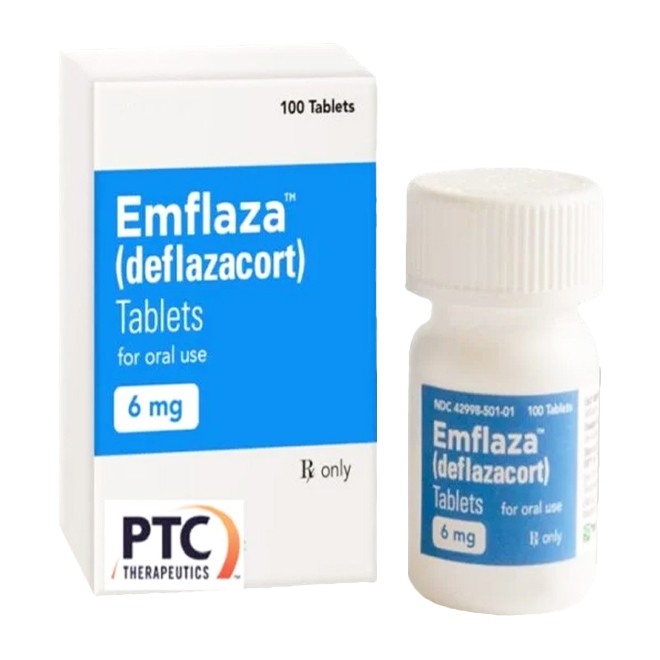
Deflazacort(Emflaza)
Treatment of Duchenne muscular dystrophy (DMD) in patients aged 2 years and...
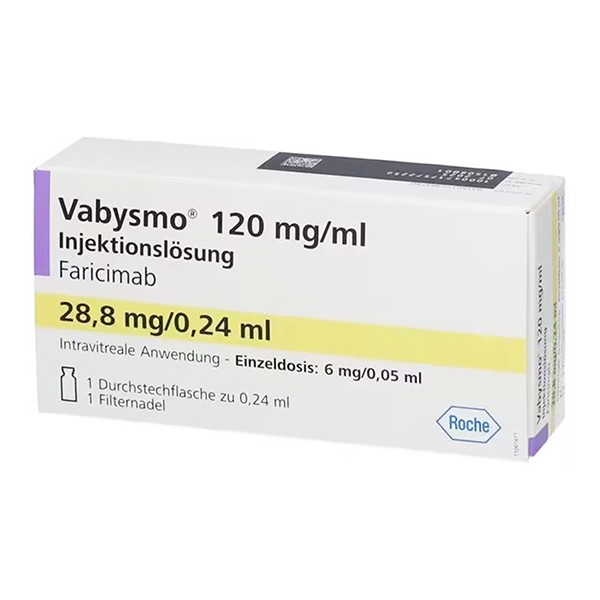
Faricimab-svoa(Vabysmo)
Treatment of neovascular age-related macular degeneration, diabetic macular...
Counselling Service
Global Drug Search
Clinical Research Recruitment
Overseas Medical Treatment
Remote Consultations
Note: Our medical consultant will contact you as soon as possible. We promise to strictly protect your privacy.
Submit
Business
  • Core products
  • Antitumor drugs
  • General drug
  • Antiviral drugs
  • Biological agents
Contact Us 
  • haiousales@gmail.com
Welcome to consult
Seagull Pharmacy.,Ltd All rights reserved