info@seagull-health.com
SeagullHealth
语言:
search
new
Precautions for Capmatinib (Tabrecta) Administration
501
Article source: Seagull Pharmacy
Oct 13, 2025

Capmatinib (Tabrecta) is a kinase inhibitor targeting metastatic non-small cell lung cancer (NSCLC) with METex14 skipping mutation. Its efficacy has been verified in clinical trials; however, during medication, it is necessary to strictly follow the precautions and conduct regular monitoring of relevant indicators to support therapeutic effects and reduce the risk of adverse reactions.

Precautions for Capmatinib (Tabrecta) Administration

Patient Selection

Capmatinib is only indicated for adult patients with metastatic NSCLC confirmed to have METex14 skipping mutation via FDA-approved detection methods.

Prior to medication, molecular testing is required to confirm the mutation status, so as to avoid ineffective treatment.

Drug Interactions

Strong/moderate CYP3A inducers (e.g., rifampicin, efavirenz): May reduce the plasma concentration of capmatinib; concurrent use should be avoided.

Strong CYP3A inhibitors (e.g., itraconazole): May increase capmatinib exposure; close monitoring for adverse reactions is necessary.

Drugs that are substrates of CYP1A2, P-gp, or BCRP (e.g., caffeine, digoxin, rosuvastatin): Dosage adjustments of these drugs are required when used concomitantly with capmatinib.

Dosing Regimen

Recommended dose: 400mg orally, twice daily, with or without food.

Missed dose or vomiting: Do not make up for the missed dose; take the next dose at the originally scheduled time.

Dosage form handling: The tablets must be swallowed whole; do not break, crush, or chew them.

Management of Common Adverse Reactions

Peripheral edema (incidence: 52%): Mild cases can be relieved by elevating the affected limbs; dosage adjustment is required for severe cases.

Nausea/vomiting (incidence: 44%/28%): It is recommended to take meals in small, frequent portions or use antiemetics; temporary discontinuation of medication may be necessary if needed.

Fatigue (incidence: 32%): Avoid driving or operating machinery; appropriately adjust the intensity of activities.

Special Risk Prevention and Control

Interstitial lung disease (ILD)/pneumonitis: Incidence: 4.5%, which may be life-threatening. If new or worsening dyspnea, cough, or fever occurs, discontinue medication immediately and seek medical attention.

Hepatotoxicity: 13% of patients experience elevated ALT/AST levels. Liver function should be monitored regularly before and during treatment; dosage adjustment is required if abnormalities occur.

Photosensitivity reaction: Animal studies have shown potential phototoxicity; patients are advised to take sun protection measures (e.g., using sunscreen, wearing protective clothing).

Monitoring for Capmatinib (Tabrecta) Administration

Efficacy Monitoring

Imaging assessment: Tumor response is evaluated every 6–8 weeks via CT or MRI, and efficacy is determined in accordance with the RECIST 1.1 criteria.

Symptom tracking: Monitor changes in tumor-related symptoms such as dyspnea and pain.

Safety Monitoring

Liver function: Test ALT, AST, and bilirubin before treatment and every 2 weeks during the initial treatment period; after 3 months, the frequency can be reduced to once a month.

Renal function: Monitor creatinine at baseline and during treatment, especially in patients with moderate renal impairment (CLcr: 30–59 mL/min).

Hematological indicators: Regularly check lymphocytes, hemoglobin, etc., to be alert to the risks of infection or anemia.

Note: For internal discussion among medical personnel only. For specific medication, please consult the attending physician. Drug information may change over time. For the latest information, we recommend adding a medical consultant or consulting for free online.
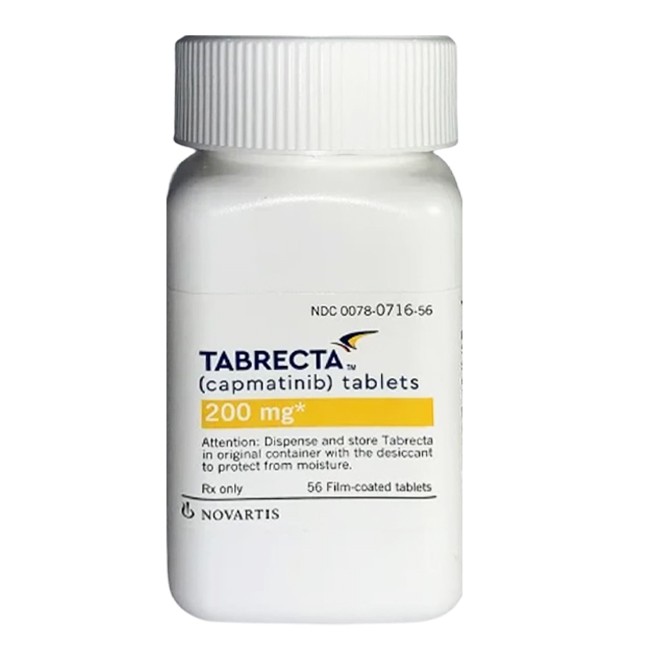
Capmatinib(Tabrecta)
Treatment of metastatic non-small cell lung cancer (NSCLC) with MET exon 14...
WeChat Scan
Free Inquiry
Recommended Articles
Precautions for Capmatinib (Tabrecta) Administration
Capmatinib (Tabrecta) is a kinase inhibitor targeting metastatic non-small cell lung cancer (NSCLC) with MET exon 14 (METex14) skipping mutations. Its efficacy has been validated in clinical trials; h...
Indication of Capmatinib (Tabrecta)
Capmatinib (Tabrecta) is a small-molecule inhibitor targeting the MET kinase, developed by Novartis and granted accelerated approval by the U.S. FDA in 2020. As a precision therapy, it has demonstrate...
How to Administer Cemiplimab
Cemiplimab is a programmed death receptor-1 (PD-1) blocking antibody indicated for the treatment of patients with metastatic or locally advanced cutaneous squamous cell carcinoma (CSCC) who are not ca...
Precautions for Cemiplimab Administration
Cemiplimab is a PD-1 inhibitor indicated for the treatment of patients with metastatic or locally advanced cutaneous squamous cell carcinoma (CSCC) who are not candidates for curative surgery or radia...
How Effective is Capmatinib (Tabrecta) in Treatment?
Capmatinib (Tabrecta) is a targeted therapeutic agent that has demonstrated favorable efficacy in the treatment of specific types of non-small cell lung cancer (NSCLC) in recent years. As a kinase inh...
What Are the Side Effects of Capmatinib (Tabrecta)?
Capmatinib (Tabrecta) is a targeted MET kinase inhibitor indicated for the treatment of adult patients with metastatic non-small cell lung cancer (NSCLC) harboring MET exon 14 skipping mutations. As a...
How to Use Anagrelide (Agrylin)
Anagrelide (Agrylin) is a selective thrombocytopenic agent primarily used to treat thrombocythemia secondary to myeloproliferative neoplasms. It reduces the risk of thrombosis and improves related sym...
Precautions for Anagrelide (Agrylin) Administration
Anagrelide (Agrylin) is a thrombocytopenic agent primarily used to treat thrombocythemia secondary to myeloproliferative neoplasms. It reduces platelet counts, lowers the risk of thrombosis, and impro...
Related Articles
Dosage and Administration, Recommended Dosage of Capmatinib (Tabrecta)
Capmatinib (Tabrecta) is a highly selective MET inhibitor, offering a precision treatment option for patients with metastatic non-small cell lung cancer (NSCLC) harboring MET exon 14 skipping mutation...
What Are the Indications for Capmatinib (Tabrecta)?
Capmatinib (Tabrecta) is a targeted therapy medication that plays an important role in the treatment of non-small cell lung cancer associated with specific gene mutations. As a MET kinase inhibitor, i...
What Are the Purchase Channels for Capmatinib (Tabrecta)?
Capmatinib (Tabrecta) is a highly selective MET inhibitor that has demonstrated significant efficacy in patients with metastatic non-small cell lung cancer (NSCLC) harboring MET exon 14 skipping mutat...
Dosage and Administration, Recommended Dose of Capmatinib (Tabrecta)
Capmatinib (Tabrecta) is a kinase inhibitor indicated for the treatment of adult patients with metastatic non-small cell lung cancer (NSCLC) harboring MET exon 14 skipping mutation.Dosage and Administ...
What Are the Indications for Capmatinib (Tabrecta)?
Capmatinib (Tabrecta) is a highly selective MET kinase inhibitor targeting specific gene mutations, developed by Novartis and approved for marketing by the U.S. FDA in 2020.What Are the Indications fo...
What Are the Purchase Channels for Capmatinib (Tabrecta)?
Capmatinib (Tabrecta) is a targeted therapy for metastatic non-small cell lung cancer (NSCLC) with MET exon 14 skipping mutation, offering a new treatment option for patients with this specific geneti...
How to Use Capmatinib (Tabrecta)
Capmatinib (Tabrecta) is a targeted therapy drug for metastatic non-small cell lung cancer (NSCLC) with MET exon 14 skipping mutation.How to Use Capmatinib (Tabrecta)Standard Dosage RegimenThe recomme...
What Are the Side Effects of Capmatinib (Tabrecta)?
Capmatinib (Tabrecta) is a targeted MET kinase inhibitor indicated for the treatment of adult patients with metastatic non-small cell lung cancer (NSCLC) harboring MET exon 14 skipping mutations. As a...
New Drugs
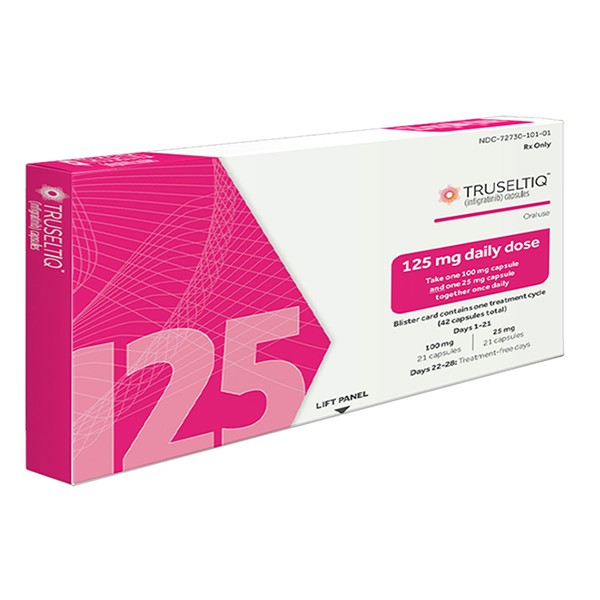
Infigratinib(Truseltiq)
Treatment of previously treated, unresectable locally advanced or metastatic...
Opicapone(Ongentys)
Opicapone(Ongentys)
Adjunctive treatment to levodopa/carbidopa for reducing "off" episodes in...
Deflazacort(Emflaza)
Treatment of Duchenne muscular dystrophy (DMD) in patients aged 2 years and...
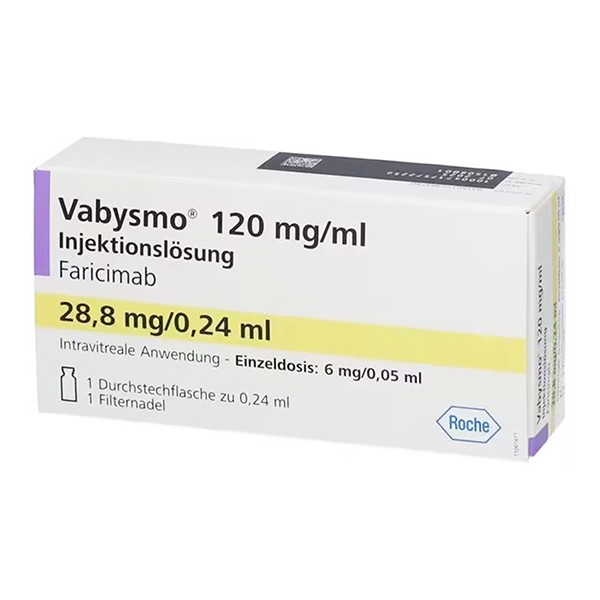
Faricimab-svoa(Vabysmo)
Treatment of neovascular age-related macular degeneration, diabetic macular...
Counselling Service
Global Drug Search
Clinical Research Recruitment
Overseas Medical Treatment
Remote Consultations
Note: Our medical consultant will contact you as soon as possible. We promise to strictly protect your privacy.
Submit
Business
  • Core products
  • Antitumor drugs
  • General drug
  • Antiviral drugs
  • Biological agents
Contact Us 
  • mailbox:info@lucius.la
Welcome to consult
ucius Pharmaceuticals (Lao) Co.,Ltd All rights reserved