info@seagull-health.com
SeagullHealth
语言:
search
new
How to Use Anagrelide (Agrylin)
504
Article source: Seagull Pharmacy
Oct 13, 2025

Anagrelide (Agrylin) is a selective thrombocytopenic agent primarily used to treat thrombocythemia secondary to myeloproliferative neoplasms. It reduces the risk of thrombosis and improves related symptoms by lowering platelet counts.

How to Use Anagrelide (Agrylin)

Dosing Regimen

Adults: The initial dose is 0.5 mg four times daily or 1 mg twice daily, with capsules swallowed whole.

Children (≥ 7 years old): The initial dose is 0.5 mg once daily.

Maintenance dose: After maintaining the initial dose for at least 1 week, adjust the dose gradually. The weekly dose increment should not exceed 0.5 mg/day, the single dose should not exceed 2.5 mg, and the total daily dose should not exceed 10 mg.

Dose Adjustment of Anagrelide (Agrylin)

Adjustment Based on Platelet Response

Monitoring frequency: Platelet counts should be monitored weekly during the initial phase of treatment; after reaching the target, monitoring can be changed to monthly or as needed.

Adjustment principle: If platelets do not reach the target (> 600,000/μL), the dose can be increased by 0.5 mg/day weekly until therapeutic effects are observed.

The effective dose for most patients is 1.5–3.0 mg/day.

Rebound after discontinuation: When treatment is interrupted, platelets may increase again within 4 days and return to baseline levels within 1–2 weeks, requiring close monitoring.

Adjustment for Patients with Hepatic Impairment

Moderate hepatic impairment (Child-Pugh score 7–9): Reduce the initial dose to 0.5 mg/day, and the subsequent weekly dose increment should not exceed 0.5 mg/day.

Severe hepatic impairment: Avoid use.

Precautions for Anagrelide (Agrylin) Use in Special Populations

Children and Adolescents

Safety: Adverse reactions in children ≥ 7 years old are similar to those in adults (e.g., headache, fever, epistaxis), but fluctuations in heart rate and blood pressure need to be monitored.

Pharmacokinetic differences: Pediatric doses require individualization, as plasma drug concentrations in children may be higher than those in adults.

Pregnancy and Lactation

Pregnancy: Animal studies have shown fetal developmental delay; human data are limited. The risk of thrombosis and potential fetal effects must be weighed.

Lactation: The drug can pass into rat milk. It is recommended to avoid breastfeeding during treatment and for 1 week after drug discontinuation.

Patients with Hepatic or Renal Impairment

Hepatic impairment: Dose reduction is required for patients with moderate hepatic impairment; use is contraindicated in those with severe hepatic impairment.

Renal impairment: No dose adjustment is needed for patients with severe renal impairment (CrCl < 30 mL/min).

Note: For internal discussion among medical personnel only. For specific medication, please consult the attending physician. Drug information may change over time. For the latest information, we recommend adding a medical consultant or consulting for free online.
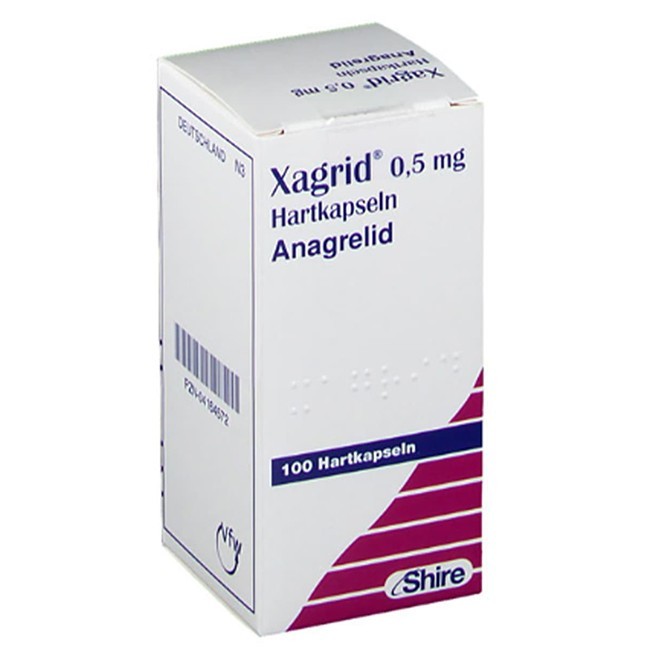
Anagrelide(Xagrid)
Anagrelide(Xagrid)
A platelet-reducing agent for treating thrombocythemia secondary to...
WeChat Scan
Free Inquiry
Recommended Articles
What Are the Side Effects of Capmatinib (Tabrecta)?
Capmatinib (Tabrecta) is a targeted MET kinase inhibitor indicated for the treatment of adult patients with metastatic non-small cell lung cancer (NSCLC) harboring MET exon 14 skipping mutations. As a...
How Effective is Capmatinib (Tabrecta) in Treatment?
Capmatinib (Tabrecta) is a targeted therapeutic agent that has demonstrated favorable efficacy in the treatment of specific types of non-small cell lung cancer (NSCLC) in recent years. As a kinase inh...
Precautions for Capmatinib (Tabrecta) Administration
Capmatinib (Tabrecta) is a kinase inhibitor targeting metastatic non-small cell lung cancer (NSCLC) with METex14 skipping mutation. Its efficacy has been verified in clinical trials; however, during m...
Precautions for Capmatinib (Tabrecta) Administration
Capmatinib (Tabrecta) is a kinase inhibitor targeting metastatic non-small cell lung cancer (NSCLC) with MET exon 14 (METex14) skipping mutations. Its efficacy has been validated in clinical trials; h...
Precautions for Anagrelide (Agrylin) Administration
Anagrelide (Agrylin) is a thrombocytopenic agent primarily used to treat thrombocythemia secondary to myeloproliferative neoplasms. It reduces platelet counts, lowers the risk of thrombosis, and impro...
Indications for Cemiplimab
Cemiplimab is an important immunotherapeutic agent classified as a programmed death receptor-1 (PD-1) blocking antibody. As a significant breakthrough in the field of cancer immunotherapy in recent ye...
How to Purchase Cemiplimab
Cemiplimab is a PD-1 inhibitor approved for the treatment of patients with metastatic or locally advanced cutaneous squamous cell carcinoma (CSCC) who are not suitable for curative surgery or curative...
How to Purchase Fostemsavir (RUKOBIA)
Fostemsavir (brand name: RUKOBIA) is an important antiretroviral drug used for the treatment of HIV-1 infection. As a prescription medication, patients need to pay special attention to its purchase ch...
Related Articles
How Effective is Anagrelide (Agrylin) in Treatment?
Anagrelide (Agrylin) is a drug specifically used to treat thrombocythemia, and it is particularly suitable for secondary thrombocythemia associated with myeloproliferative neoplasms.How Effective is A...
What are the side effects of Anagrelide (Agrylin)?
Anagrelide (Agrylin) is a specific drug used to treat secondary thrombocythemia in myeloproliferative neoplasms. It reduces the risk of thrombosis by lowering platelet count. Its clinical use requires...
Indications for Anagrelide (Agrylin)
Anagrelide (Agrylin) is a thrombocytopenic agent primarily used to treat thrombocythemia caused by myeloproliferative neoplasms.Indications for Anagrelide (Agrylin)Reducing Elevated Platelet CountThis...
Precautions for Anagrelide (Agrylin) Administration
Anagrelide (Agrylin) is a thrombocytopenic agent primarily used to treat thrombocythemia secondary to myeloproliferative neoplasms. It reduces platelet counts, lowers the risk of thrombosis, and impro...
How to Use Anagrelide (Agrylin)
Anagrelide (Agrylin) is a selective thrombocytopenic agent primarily used to treat thrombocythemia secondary to myeloproliferative neoplasms. It reduces the risk of thrombosis and improves related sym...
Indications for Anagrelide (Agrylin)
Anagrelide (Agrylin) is a thrombocytopenic agent primarily indicated for the treatment of thrombocythemia caused by myeloproliferative neoplasms.Indications for Anagrelide (Agrylin)Reducing Elevated P...
New Drugs
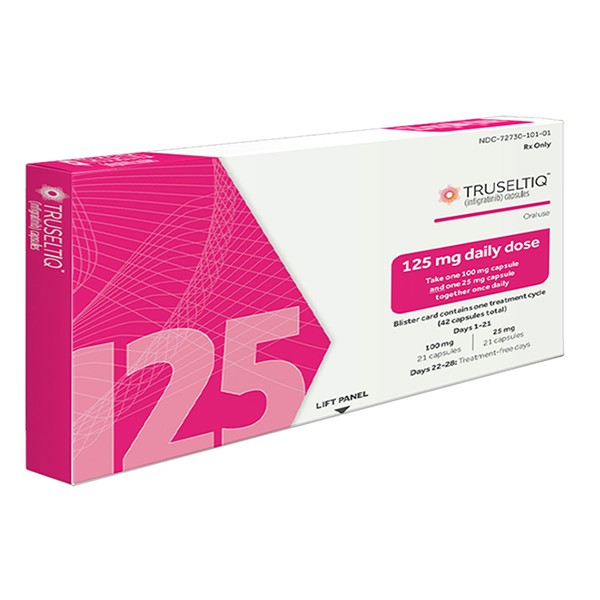
Infigratinib(Truseltiq)
Treatment of previously treated, unresectable locally advanced or metastatic...
Opicapone(Ongentys)
Opicapone(Ongentys)
Adjunctive treatment to levodopa/carbidopa for reducing "off" episodes in...
Deflazacort(Emflaza)
Treatment of Duchenne muscular dystrophy (DMD) in patients aged 2 years and...
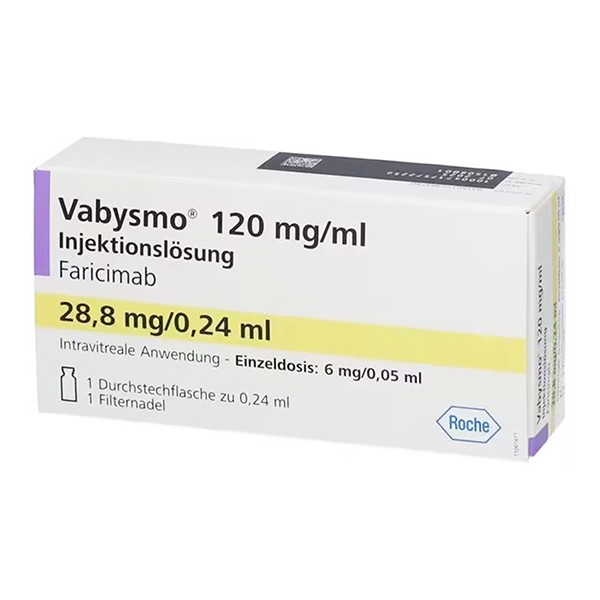
Faricimab-svoa(Vabysmo)
Treatment of neovascular age-related macular degeneration, diabetic macular...
Counselling Service
Global Drug Search
Clinical Research Recruitment
Overseas Medical Treatment
Remote Consultations
Note: Our medical consultant will contact you as soon as possible. We promise to strictly protect your privacy.
Submit
Business
  • Core products
  • Antitumor drugs
  • General drug
  • Antiviral drugs
  • Biological agents
Contact Us 
  • mailbox:info@lucius.la
Welcome to consult
ucius Pharmaceuticals (Lao) Co.,Ltd All rights reserved