info@seagull-health.com
SeagullHealth
语言:
search
new
How to Administer Cemiplimab
509
Article source: Seagull Pharmacy
Oct 11, 2025

Cemiplimab is a programmed death receptor-1 (PD-1) blocking antibody indicated for the treatment of patients with metastatic or locally advanced cutaneous squamous cell carcinoma (CSCC) who are not candidates for curative surgery or curative radiation therapy. As an immunotherapeutic agent, its use must strictly adhere to dosage regimens, and medication strategies should be adjusted based on individual patient conditions.

How to Administer Cemiplimab

Recommended Dosage Regimen

The standard recommended dose of cemiplimab is 350 mg, administered via intravenous infusion. Each infusion must last 30 minutes, with an administration frequency of once every 3 weeks.

This dosage regimen is applicable to most adult patients. Treatment should continue until disease progression or the occurrence of unacceptable toxicity.

Precautions for Drug Preparation

Before use, visually inspect the drug solution for particulate matter and discoloration.

Cemiplimab should appear as a clear to slightly opalescent, colorless to pale yellow solution.

If the solution is cloudy, discolored, or contains foreign matter (other than trace amounts of translucent to white particles), discard the vial.

Withdraw 7 mL of the drug solution and dilute it with 0.9% Sodium Chloride Injection or 5% Dextrose Injection to a final concentration of 1–20 mg/mL.

Mix the diluted solution by gentle inversion; do not shake.

Precautions for Administration

At room temperature (not exceeding 25°C/77°F), the time from completion of preparation to the end of infusion must not exceed 8 hours.

At 2°C to 8°C (36°F to 46°F), the time from completion of preparation to the end of infusion must not exceed 24 hours.

Allow the diluted solution to return to room temperature before use.

Freezing is strictly prohibited.

Key Notes for Actual Administration

Administer via an intravenous line equipped with a sterile in-line or add-on filter (pore size: 0.2 to 5 micrometers).

Strictly control the infusion time to 30 minutes.

Discard any unused medication or waste materials in accordance with relevant regulations.

Dose Adjustment of Cemiplimab

Dose Adjustment for Immune-Mediated Adverse Reactions

Immune-Mediated Pneumonitis:

Grade 2: Withhold administration.

Grade 3 or 4: Discontinue administration permanently.

Immune-Mediated Colitis:

Grade 2 or 3: Withhold administration.

Grade 4: Discontinue administration permanently.

Immune-Mediated Hepatitis:

If AST/ALT elevates to 3–10 times the upper limit of normal (ULN), or total bilirubin elevates to 3 times ULN: Withhold administration.

If AST/ALT elevates to more than 10 times ULN, or total bilirubin elevates to more than 3 times ULN: Discontinue administration permanently.

Dose Adjustment for Infusion Reactions

Grade 1 or 2: Interrupt the infusion or slow down the infusion rate.

Grade 3 or 4: Discontinue administration permanently.

Use of Cemiplimab in Special Populations

Pregnant Women

Cemiplimab may cause fetal harm. Animal studies have shown that inhibition of the PD-1/PD-L1 pathway increases the risk of immune-mediated fetal rejection, which may lead to fetal death.

Recommendations: Confirm the pregnancy status of women with reproductive potential before initiating treatment.

Advise women to use effective contraceptive measures during treatment and for at least 4 months after the last dose.

If the drug is used during pregnancy, or if a patient becomes pregnant while receiving treatment, inform the patient of the potential risk to the fetus.

Lactating Women

There are no data on whether cemiplimab is present in human milk. However, due to the potential for severe adverse reactions in breastfed infants:

Recommendation: Do not breastfeed during treatment and for at least 4 months after the last dose.

Patients with Hepatic or Renal Impairment

Patients with mild to severe renal impairment (creatinine clearance: 25–420 mL/min): No dose adjustment is required.

Patients with mild hepatic impairment (total bilirubin: 0.35–45 μmol/L): No dose adjustment is required.

Patients with moderate or severe hepatic impairment: No clinical studies have been conducted; use with caution.

Note: For internal discussion among medical personnel only. For specific medication, please consult the attending physician. Drug information may change over time. For the latest information, we recommend adding a medical consultant or consulting for free online.
Cemiplimab(Libtayo)
Cemiplimab(Libtayo)
PD-1 inhibitor for advanced cutaneous squamous cell carcinoma, basal cell...
WeChat Scan
Free Inquiry
Recommended Articles
Precautions for Cemiplimab Administration
Cemiplimab is a PD-1 inhibitor indicated for the treatment of patients with metastatic or locally advanced cutaneous squamous cell carcinoma (CSCC) who are not candidates for curative surgery or radia...
What Are the Side Effects of Cemiplimab?
Cemiplimab is a programmed death receptor-1 (PD-1) blocking antibody indicated for the treatment of patients with metastatic or locally advanced cutaneous squamous cell carcinoma (CSCC) who are not ca...
How to Purchase Zongertinib
Zongertinib is a targeted therapeutic agent for non-small cell lung cancer (NSCLC) harboring activating mutations in the tyrosine kinase domain of HER2 (ERBB2). Due to its specificity and potential ef...
Indication of Zongertinib
Zongertinib is a novel kinase inhibitor recently granted accelerated approval by the U.S. FDA. As a targeted therapy for specific patients with non-small cell lung cancer (NSCLC), its key information—...
Indication of Capmatinib (Tabrecta)
Capmatinib (Tabrecta) is a small-molecule inhibitor targeting the MET kinase, developed by Novartis and granted accelerated approval by the U.S. FDA in 2020. As a precision therapy, it has demonstrate...
Precautions for Capmatinib (Tabrecta) Administration
Capmatinib (Tabrecta) is a kinase inhibitor targeting metastatic non-small cell lung cancer (NSCLC) with MET exon 14 (METex14) skipping mutations. Its efficacy has been validated in clinical trials; h...
Precautions for Capmatinib (Tabrecta) Administration
Capmatinib (Tabrecta) is a kinase inhibitor targeting metastatic non-small cell lung cancer (NSCLC) with METex14 skipping mutation. Its efficacy has been verified in clinical trials; however, during m...
How Effective is Capmatinib (Tabrecta) in Treatment?
Capmatinib (Tabrecta) is a targeted therapeutic agent that has demonstrated favorable efficacy in the treatment of specific types of non-small cell lung cancer (NSCLC) in recent years. As a kinase inh...
Related Articles
How to Purchase Cemiplimab
Cemiplimab is a PD-1 inhibitor approved for the treatment of patients with metastatic or locally advanced cutaneous squamous cell carcinoma (CSCC) who are not suitable for curative surgery or curative...
Indications for Cemiplimab
Cemiplimab is an important immunotherapeutic agent classified as a programmed death receptor-1 (PD-1) blocking antibody. As a significant breakthrough in the field of cancer immunotherapy in recent ye...
How to Administer Cemiplimab
Cemiplimab is a programmed death receptor-1 (PD-1) blocking antibody indicated for the treatment of patients with metastatic or locally advanced cutaneous squamous cell carcinoma (CSCC) who are not ca...
Precautions for Cemiplimab Administration
Cemiplimab is a PD-1 inhibitor indicated for the treatment of patients with metastatic or locally advanced cutaneous squamous cell carcinoma (CSCC) who are not candidates for curative surgery or radia...
What Are the Side Effects of Cemiplimab?
Cemiplimab is a programmed death receptor-1 (PD-1) blocking antibody indicated for the treatment of patients with metastatic or locally advanced cutaneous squamous cell carcinoma (CSCC) who are not ca...
What Are the Side Effects of Cemiplimab?
Cemiplimab is a programmed death receptor-1 (PD-1) blocking antibody indicated for the treatment of patients with metastatic or locally advanced cutaneous squamous cell carcinoma (CSCC) who are not el...
Indications of Cemiplimab
Cemiplimab is an important immunotherapeutic drug classified as a programmed death receptor-1 (PD-1) blocking antibody. As a major breakthrough in the field of cancer immunotherapy in recent years, th...
How to Purchase Cemiplimab
Cemiplimab is a PD-1 inhibitor approved for the treatment of patients with metastatic or locally advanced cutaneous squamous cell carcinoma (CSCC) who are not eligible for curative surgery or curative...
New Drugs
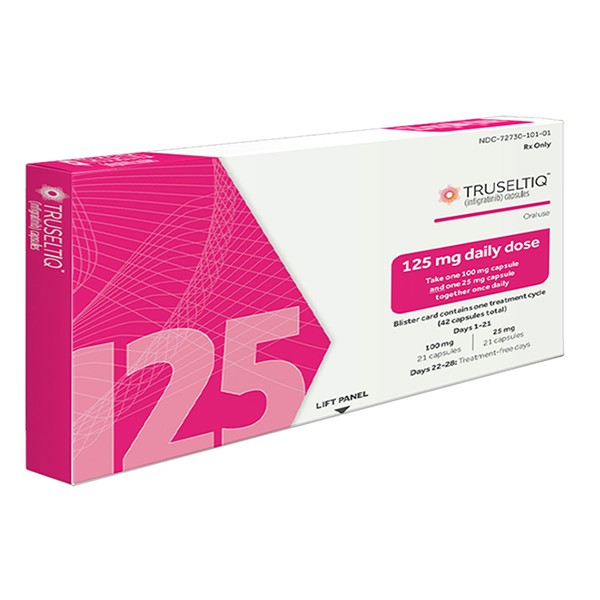
Infigratinib(Truseltiq)
Treatment of previously treated, unresectable locally advanced or metastatic...
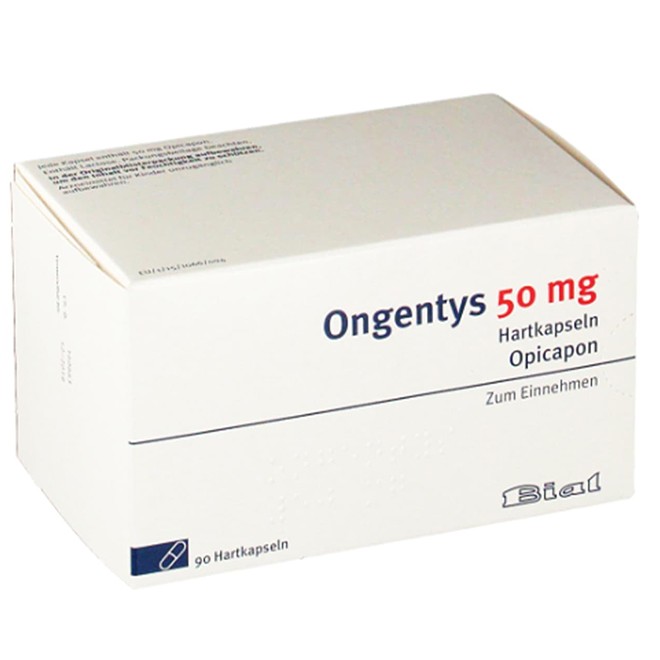
Opicapone(Ongentys)
Opicapone(Ongentys)
Adjunctive treatment to levodopa/carbidopa for reducing "off" episodes in...
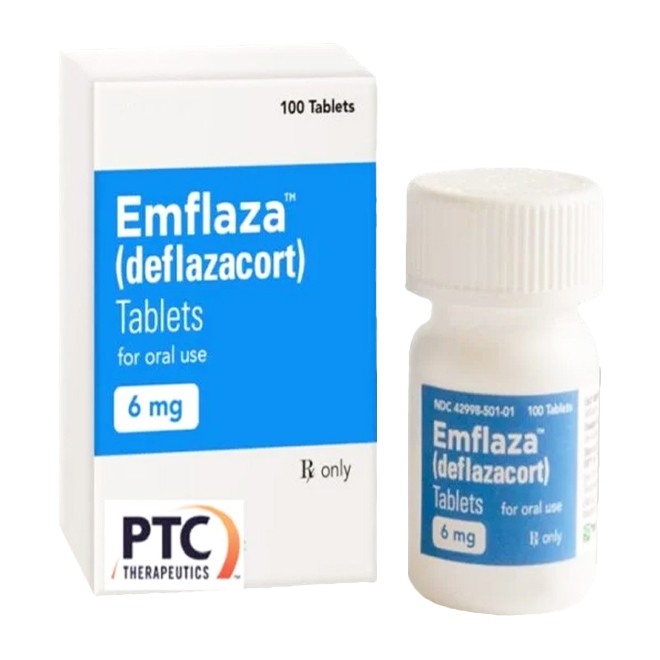
Deflazacort(Emflaza)
Treatment of Duchenne muscular dystrophy (DMD) in patients aged 2 years and...
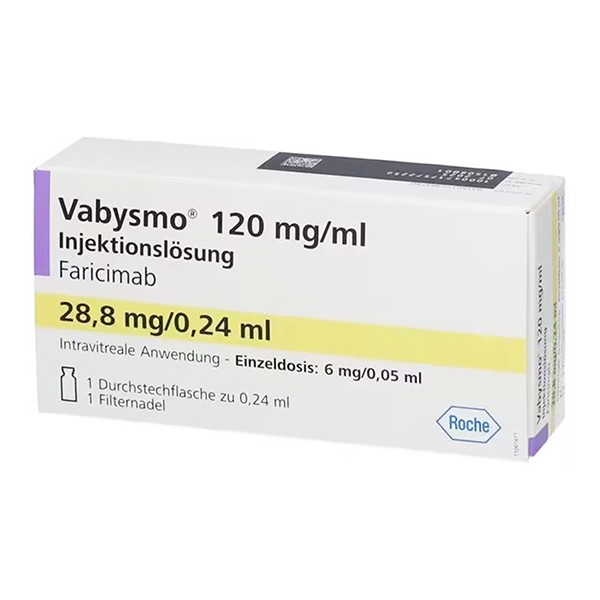
Faricimab-svoa(Vabysmo)
Treatment of neovascular age-related macular degeneration, diabetic macular...
Counselling Service
Global Drug Search
Clinical Research Recruitment
Overseas Medical Treatment
Remote Consultations
Note: Our medical consultant will contact you as soon as possible. We promise to strictly protect your privacy.
Submit
Business
  • Core products
  • Antitumor drugs
  • General drug
  • Antiviral drugs
  • Biological agents
Contact Us 
  • haiousales@gmail.com
Welcome to consult
Seagull Pharmacy.,Ltd All rights reserved