info@seagull-health.com
SeagullHealth
语言:
search
new
Ponatinib (Iclusig): Guidelines on Indications, Contraindications and Special Population Use
506
Article source: Seagull Pharmacy
Apr 21, 2026

Ponatinib is a potent oral kinase inhibitor indicated for the treatment of specific types of leukemia and chronic myeloid leukemia, with particularly remarkable efficacy in patients harboring the T315I mutation.

I. Indications

1. Philadelphia Chromosome-Positive Acute Lymphoblastic Leukemia

Ponatinib is indicated for adult patients with Philadelphia chromosome-positive acute lymphoblastic leukemia (Ph+ ALL), including the following subgroups:

(1) Newly diagnosed Ph+ ALL: For use in combination with chemotherapy. This indication received accelerated approval based on achievement of minimal residual disease-negative complete remission at the end of induction therapy. Marketing authorization will be maintained only after confirmatory trials verify clinical benefit.

(2) Monotherapy: For Ph+ ALL patients who are ineligible for other kinase inhibitors, or patients with T315I mutation-positive Ph+ ALL.

2. Chronic Myeloid Leukemia

Ponatinib is indicated for adult patients with chronic myeloid leukemia (CML) as follows:

(1) Chronic phase CML (CP-CML): Patients with resistance or intolerance to at least two prior kinase inhibitors.

(2) Accelerated phase (AP-CML) or blast phase CML (BP-CML): Patients ineligible for other kinase inhibitors.

(3) T315I mutation-positive CML (including chronic, accelerated, and blast phases).

3. Important Limitations of Use

(1) Ponatinib is not indicated for patients with newly diagnosed chronic phase CML.

(2) Clinical trials demonstrated that monotherapy with 45 mg once daily in this patient population was associated with a twofold higher risk of severe adverse events compared with imatinib. The trial was terminated early due to safety concerns.

II. Contraindications and Dietary Restrictions

1. Contraindications

According to FDA prescribing information, ponatinib has no absolute contraindications. Nevertheless, given its severe adverse event profile, use should be exercised with caution or avoided in the following circumstances:

(1) Newly diagnosed chronic phase CML (not recommended).

(2) Hypersensitivity to ponatinib or any excipients of the preparation.

(3) History of severe uncontrolled cardiovascular disease (benefit-risk assessment is required prior to use).

2. Restricted Food

Grapefruit and grapefruit juice: Grapefruit consumption and grapefruit juice intake must be avoided throughout the treatment period.

3. Concomitant Medications to Be Avoided

(1) Strong CYP3A inhibitors (e.g., ketoconazole, itraconazole, clarithromycin): Concomitant use is contraindicated. If co-administration is unavoidable, the ponatinib dosage must be reduced.

(2) Strong CYP3A inducers (e.g., rifampin, carbamazepine, phenytoin): Concomitant use should be avoided, as it may reduce the therapeutic efficacy of ponatinib.

III. Special Population Use

1. Pregnant Women

(1) Ponatinib may cause fetal harm.

(2) In animal reproduction studies, administration of ponatinib to pregnant rats during the organogenesis period induced embryo-fetal toxicity at systemic exposures lower than the recommended human dose.

(3) Females of reproductive potential are advised to adopt effective contraception during treatment and for 3 weeks after the last dose.

2. Lactating Women

(1) Data regarding the excretion of ponatinib into human breast milk are unavailable.

(2) Considering the potential risk of severe adverse reactions in breastfed infants, lactation is not recommended during treatment and for 1 week after the last dose.

3. Females of Reproductive Potential

(1) Pregnancy testing: Pregnancy status must be confirmed prior to treatment initiation.

(2) Contraception: Effective contraception is required during treatment and for 3 weeks after the last dose.

(3) Fertility: Animal data indicate that ponatinib may impair female fertility; the reversibility of such effects remains unknown.

4. Patients with Hepatic Impairment

(1) Monotherapy (CP-CML, AP-CML, BP-CML, Ph+ ALL): For patients with pre-existing hepatic impairment (Child-Pugh Class A, B, or C), the starting dose shall be reduced from 45 mg to 30 mg once daily.

(2) Combination chemotherapy for newly diagnosed Ph+ ALL: No dosage adjustment is required in patients with mild hepatic impairment. Clinical data in patients with moderate to severe hepatic impairment are insufficient, and close monitoring is advised.

5. Elderly Patients

(1) Patients aged 65 years and older are more susceptible to adverse events including vascular occlusive events, thrombocytopenia, peripheral edema, and dyspnea.

(2) In the OPTIC trial, the 12-month molecular remission rate was lower in patients ≥65 years (27%) compared with those <65 years (47%), while the incidence of arterial occlusive events was significantly higher in the older group (38% vs 14%).

(3) Dosage selection should be undertaken with caution in elderly patients.

6. Pediatric Patients

The safety and efficacy of ponatinib in pediatric patients have not been established.

7. Patients with Renal Impairment

(1) Mild to moderate renal impairment has no clinically significant impact on the pharmacokinetics of ponatinib.

(2) No studies have been conducted in patients with severe renal impairment. Renal excretion is not the primary elimination pathway; however, potential effects on hepatic clearance remain undetermined.

Note: For internal discussion among medical personnel only. For specific medication, please consult the attending physician. Drug information may change over time. For the latest information, we recommend adding a medical consultant or consulting for free online.
Recommended Articles
Indications, Contraindications and Special Population Administration Precautions of Sotorasib
Sotorasib is a precise targeted therapeutic agent for KRAS G12C mutations, indicated for patients with specific genotypes of lung cancer and colorectal cancer.I. IndicationsLocally advanced or metasta...
Overview, Mechanism of Action and Missed Dose Management of Sotorasib
Sotorasib is a precise targeted therapeutic agent against KRAS G12C mutations, providing new treatment options for patients with lung cancer and colorectal cancer who have received prior therapy.I. In...
Canakinumab (Ilaris): Dosage and Administration, Precautions, and Healthy Lifestyle
Canakinumab is an IL-1β inhibitor used for the treatment of various autoinflammatory diseases.I. Dosage and Administration of Canakinumab1. Route of AdministrationFor subcutaneous use only; intravenou...
Canakinumab (Ilaris): Side Effects, Management Strategies and Storage Instructions
Canakinumab is an IL-1β inhibitor indicated for various autoinflammatory diseases.I. Common Side Effects of Canakinumab1. Common Side Effects in CAPS Patients(1) Side effects with an incidence rate ex...
Ponatinib (Iclusig): Side Effects, Mitigation Measures and Storage Guidelines
While ponatinib is effective in treating specific hematological malignancies, it may also induce a variety of adverse reactions.I. Major Side Effects1. Severe Adverse ReactionsHigh-risk severe side ef...
Capmatinib (Tabrecta): Dosage, Precautions and Healthy Lifestyle Guidelines
Standardized medication is the cornerstone for the efficacy of capmatinib. Combined with scientific health management, it can reduce adverse reactions and improve quality of life.I. Dosage and Adminis...
Guidelines for Adverse Effect Management and Storage of Capmatinib (Tabrecta)
While effectively inhibiting tumors, capmatinib (Tabrecta) may induce a variety of adverse reactions.I. Common Adverse Effects of Capmatinib1. Adverse effects with an incidence rate ≥ 20%The most freq...
Side Effects, Mitigation Measures and Storage Guidelines for Idelalisib (Zydelig)
Idelalisib (Zydelig) is an oral PI3Kδ inhibitor indicated for the treatment of relapsed chronic lymphocytic leukemia.I. Common Side Effects of Idelalisib1. Adverse Reactions with Incidence Rate ≥ 30%(...
Related Articles
Mercaptopurine Tablets: Side Effect Management and Storage Guidelines
Mercaptopurine is a chemotherapy drug used to treat acute lymphoblastic leukemia. Understanding its side effects, mastering relief methods, and proper storage are crucial for treatment safety.1. Commo...
Indications, contraindications, and use in special populations for Mercaptopurine Tablets
Mercaptopurine is a chemotherapy drug used to treat acute lymphoblastic leukemia. Clarifying its indications, contraindications, and key points for use in special populations is crucial for treatment ...
Major Side Effects of Cevimeline
Cevimeline is used to improve dry mouth caused by Sjögren's syndrome, but it may cause various side effects when used.I. Major Side Effects of Cevimeline1. Digestive System Side Effects(1) The mos...
Cevimeline: Indications, Contraindications, and Use in Special Populations
Cevimeline is a cholinergic agonist that primarily promotes salivation by stimulating M receptors in the salivary glands.I. Indications1. Core IndicationCevimeline is indicated only for the improvemen...
Indications of Infigratinib
Infigratinib is an oral kinase inhibitor targeting FGFR2, indicated for patients with specific gene mutations in cholangiocarcinoma.I. Indications1. Infigratinib is indicated for adult patients with p...
Common Side Effects of Infigratinib
Infigratinib has shown clear efficacy in the treatment of FGFR2-mutant cholangiocarcinoma, but may also cause various side effects.I. Common Side Effects1. Ocular Side Effects:(1) The most common ocul...
What is Momelotinib?
Momelotinib is an oral kinase inhibitor indicated for the treatment of adults with intermediate or high-risk myelofibrosis with anemia, including primary and secondary myelofibrosis.I. What is Momelot...
What are the common side effects of Momelotinib
Momelotinib is a targeted therapy used for the treatment of intermediate/high-risk myelofibrosis with anemia. Understanding its common side effects, mastering management strategies, and proper storage...
New Drugs
Infigratinib(Truseltiq)
Treatment of previously treated, unresectable locally advanced or metastatic...
Opicapone(Ongentys)
Opicapone(Ongentys)
Adjunctive treatment to levodopa/carbidopa for reducing "off" episodes in...
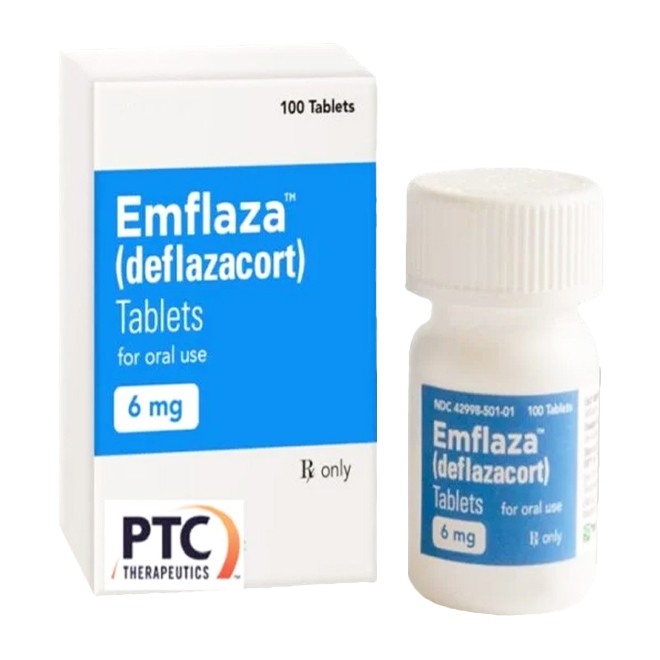
Deflazacort(Emflaza)
Treatment of Duchenne muscular dystrophy (DMD) in patients aged 2 years and...
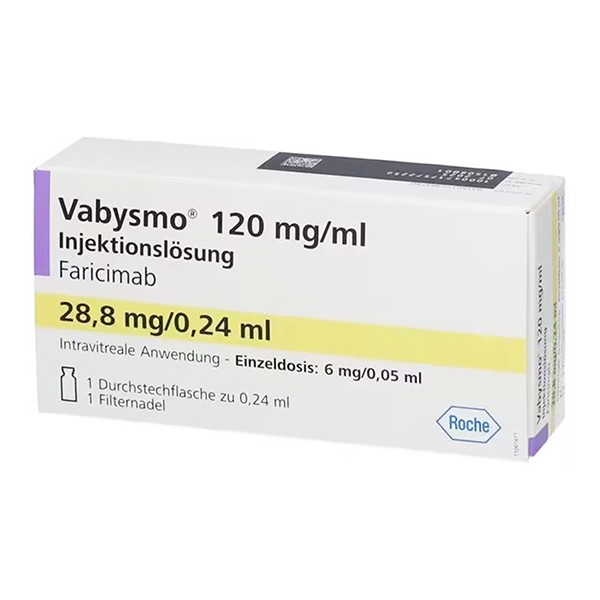
Faricimab-svoa(Vabysmo)
Treatment of neovascular age-related macular degeneration, diabetic macular...
Counselling Service
Global Drug Search
Clinical Research Recruitment
Overseas Medical Treatment
Remote Consultations
Note: Our medical consultant will contact you as soon as possible. We promise to strictly protect your privacy.
Submit
Business
  • Core products
  • Antitumor drugs
  • General drug
  • Antiviral drugs
  • Biological agents
Contact Us 
  • haiousales@gmail.com
Welcome to consult
Seagull Pharmacy.,Ltd All rights reserved