info@seagull-health.com
SeagullHealth
语言:
search
new
Ponatinib (Iclusig): Side Effects, Mitigation Measures and Storage Guidelines
506
Article source: Seagull Pharmacy
Apr 21, 2026

While ponatinib is effective in treating specific hematological malignancies, it may also induce a variety of adverse reactions.

I. Major Side Effects

1. Severe Adverse Reactions

High-risk severe side effects requiring close monitoring of ponatinib are as follows:

(1) Arterial occlusive events: Potentially fatal complications including myocardial infarction, stroke, large intracranial artery stenosis, and severe peripheral vascular disease, which may require urgent revascularization. Such events can occur in patients with or without cardiovascular risk factors, including those under 50 years of age.

(2) Venous thromboembolic events: Including deep vein thrombosis, pulmonary embolism, retinal vein occlusion, etc.

(3) Heart failure: Life-threatening condition; signs of heart failure require regular monitoring.

(4) Hepatotoxicity: May lead to hepatic failure and death. Fulminant hepatic failure has been reported in patients within one week of treatment initiation.

2. Common Adverse Reactions (Incidence > 20%)

(1) Monotherapy: Rash, arthralgia, abdominal pain, fatigue, headache, constipation, hypertension, dry skin, hepatotoxicity, fluid retention and edema, pyrexia, pancreatitis/increased lipase levels, nausea, hemorrhage, anemia, arterial occlusive events, arrhythmia.

(2) Combination chemotherapy: Hepatotoxicity, arthralgia, rash, headache, pyrexia, abdominal pain, constipation, fatigue, nausea, oral mucositis, hypertension, pancreatitis/increased lipase levels, peripheral neuropathy, hemorrhage, febrile neutropenia, fluid retention and edema, vomiting, paresthesia, arrhythmia.

3. Other Notable Side Effects

Hypertension, pancreatitis, peripheral neuropathy, ocular toxicity, hemorrhage, myelosuppression.

II. Methods to Alleviate Side Effects

1. Dosage Adjustment Strategies

The FDA recommends the following dosage adjustment regimens based on the severity of adverse reactions:

(1) Arterial occlusive events (cardiovascular/cerebrovascular)

Grade 1: Suspend treatment, resume at the original dose upon resolution.

Grade 2: Suspend treatment, escalate to Grade 0–1, then reduce the dose by one level.

Recurrent Grade 3–4 events: Permanent discontinuation.

(2) Heart failure (Grade 2–3)

Suspend treatment until recovery to Grade 0–1, then reduce the dose by one level; discontinue permanently upon recurrence.

(3) Hepatotoxicity (AST/ALT > 3×ULN)

Suspend treatment until recovery to Grade 0–1, then reduce the dose by one level.

Permanent discontinuation if concurrent bilirubin > 2×ULN and alkaline phosphatase < 2×ULN.

(4) Pancreatitis/increased lipase levels

Suspend treatment, reduce dosage, or permanently discontinue according to severity.

(5) Myelosuppression (ANC < 1×10⁹/L or platelet count < 50×10⁹/L)

Suspend treatment until ANC ≥ 1.5×10⁹/L and platelet count ≥ 75×10⁹/L, then resume at the original dose; reduce dosage by one level upon recurrence.

2. Lifestyle Management

(1) Maintain adequate hydration to reduce the risk of tumor lysis syndrome.

(2) Seek immediate medical evaluation for pancreatitis screening upon onset of abdominal pain, nausea or vomiting.

(3) Emergency medical attention is required immediately for thrombotic symptoms such as chest pain, dyspnea, limb weakness, and speech disturbance.

(4) Discontinue the medication at least 1 week prior to elective surgery. Treatment may be resumed no earlier than 2 weeks post-surgery with complete wound healing.

III. Storage Requirements

1. Temperature Specifications

Ponatinib tablets should be stored at room temperature between 20°C and 25°C. Short-term storage at 15°C to 30°C is permissible, complying with USP controlled room temperature criteria.

2. Packaging and Placement

(1) The product is packed in high-density polyethylene bottles with a desiccant canister and child-resistant induction-sealed caps. Keep the cap tightly closed to prevent moisture absorption.

(2) Keep all medication out of reach of children.

3. Additional Precautions

(1) Do not store in humid environments such as bathrooms or kitchens.

(2) Avoid direct sunlight exposure.

(3) Do not use expired medication. Dispose of expired drugs properly in accordance with local regulations.

(4) Preferably carry the original drug container during travel, and avoid exposure to extreme temperatures.

Note: For internal discussion among medical personnel only. For specific medication, please consult the attending physician. Drug information may change over time. For the latest information, we recommend adding a medical consultant or consulting for free online.
Recommended Articles
Ponatinib (Iclusig): Guidelines on Indications, Contraindications and Special Population Use
Ponatinib is a potent oral kinase inhibitor indicated for the treatment of specific types of leukemia and chronic myeloid leukemia, with particularly remarkable efficacy in patients harboring the T315...
Indications, Contraindications and Special Population Administration Precautions of Sotorasib
Sotorasib is a precise targeted therapeutic agent for KRAS G12C mutations, indicated for patients with specific genotypes of lung cancer and colorectal cancer.I. IndicationsLocally advanced or metasta...
Overview, Mechanism of Action and Missed Dose Management of Sotorasib
Sotorasib is a precise targeted therapeutic agent against KRAS G12C mutations, providing new treatment options for patients with lung cancer and colorectal cancer who have received prior therapy.I. In...
Canakinumab (Ilaris): Dosage and Administration, Precautions, and Healthy Lifestyle
Canakinumab is an IL-1β inhibitor used for the treatment of various autoinflammatory diseases.I. Dosage and Administration of Canakinumab1. Route of AdministrationFor subcutaneous use only; intravenou...
Capmatinib (Tabrecta): Dosage, Precautions and Healthy Lifestyle Guidelines
Standardized medication is the cornerstone for the efficacy of capmatinib. Combined with scientific health management, it can reduce adverse reactions and improve quality of life.I. Dosage and Adminis...
Guidelines for Adverse Effect Management and Storage of Capmatinib (Tabrecta)
While effectively inhibiting tumors, capmatinib (Tabrecta) may induce a variety of adverse reactions.I. Common Adverse Effects of Capmatinib1. Adverse effects with an incidence rate ≥ 20%The most freq...
Side Effects, Mitigation Measures and Storage Guidelines for Idelalisib (Zydelig)
Idelalisib (Zydelig) is an oral PI3Kδ inhibitor indicated for the treatment of relapsed chronic lymphocytic leukemia.I. Common Side Effects of Idelalisib1. Adverse Reactions with Incidence Rate ≥ 30%(...
Idelalisib (Zydelig): Dosage, Administration, Precautions and Healthy Lifestyle Guidelines
Idelalisib (Zydelig) is an oral PI3Kδ inhibitor indicated for the treatment of relapsed chronic lymphocytic leukemia (CLL).I. Dosage and Administration1. Standard Dosage(1) The recommended dose is 150...
Related Articles
Mercaptopurine Tablets: Side Effect Management and Storage Guidelines
Mercaptopurine is a chemotherapy drug used to treat acute lymphoblastic leukemia. Understanding its side effects, mastering relief methods, and proper storage are crucial for treatment safety.1. Commo...
Indications, contraindications, and use in special populations for Mercaptopurine Tablets
Mercaptopurine is a chemotherapy drug used to treat acute lymphoblastic leukemia. Clarifying its indications, contraindications, and key points for use in special populations is crucial for treatment ...
Major Side Effects of Cevimeline
Cevimeline is used to improve dry mouth caused by Sjögren's syndrome, but it may cause various side effects when used.I. Major Side Effects of Cevimeline1. Digestive System Side Effects(1) The mos...
Cevimeline: Indications, Contraindications, and Use in Special Populations
Cevimeline is a cholinergic agonist that primarily promotes salivation by stimulating M receptors in the salivary glands.I. Indications1. Core IndicationCevimeline is indicated only for the improvemen...
Indications of Infigratinib
Infigratinib is an oral kinase inhibitor targeting FGFR2, indicated for patients with specific gene mutations in cholangiocarcinoma.I. Indications1. Infigratinib is indicated for adult patients with p...
Common Side Effects of Infigratinib
Infigratinib has shown clear efficacy in the treatment of FGFR2-mutant cholangiocarcinoma, but may also cause various side effects.I. Common Side Effects1. Ocular Side Effects:(1) The most common ocul...
What is Momelotinib?
Momelotinib is an oral kinase inhibitor indicated for the treatment of adults with intermediate or high-risk myelofibrosis with anemia, including primary and secondary myelofibrosis.I. What is Momelot...
What are the common side effects of Momelotinib
Momelotinib is a targeted therapy used for the treatment of intermediate/high-risk myelofibrosis with anemia. Understanding its common side effects, mastering management strategies, and proper storage...
New Drugs
Infigratinib(Truseltiq)
Treatment of previously treated, unresectable locally advanced or metastatic...
Opicapone(Ongentys)
Opicapone(Ongentys)
Adjunctive treatment to levodopa/carbidopa for reducing "off" episodes in...
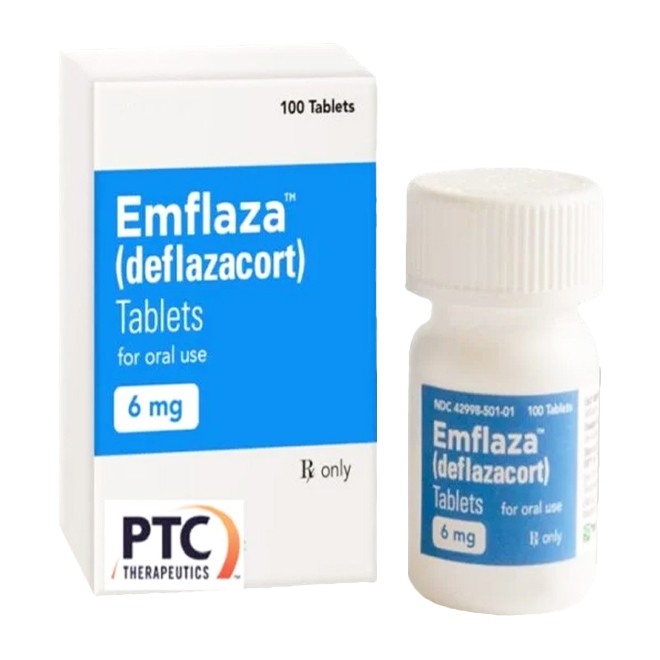
Deflazacort(Emflaza)
Treatment of Duchenne muscular dystrophy (DMD) in patients aged 2 years and...
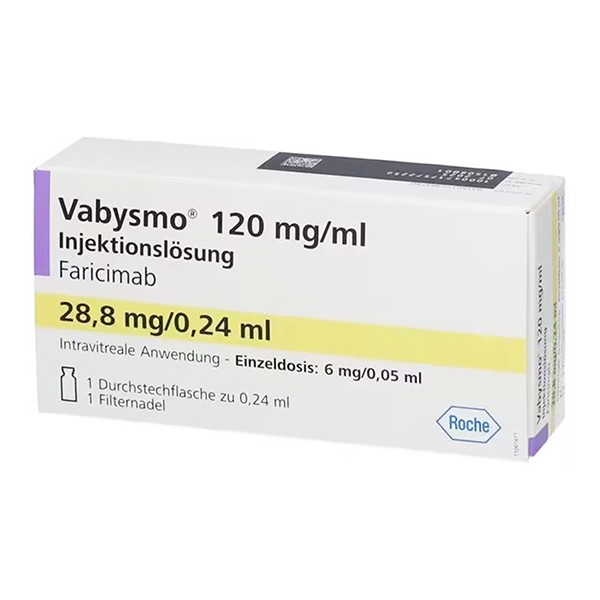
Faricimab-svoa(Vabysmo)
Treatment of neovascular age-related macular degeneration, diabetic macular...
Counselling Service
Global Drug Search
Clinical Research Recruitment
Overseas Medical Treatment
Remote Consultations
Note: Our medical consultant will contact you as soon as possible. We promise to strictly protect your privacy.
Submit
Business
  • Core products
  • Antitumor drugs
  • General drug
  • Antiviral drugs
  • Biological agents
Contact Us 
  • haiousales@gmail.com
Welcome to consult
Seagull Pharmacy.,Ltd All rights reserved