

Standardized medication is the cornerstone for the efficacy of capmatinib. Combined with scientific health management, it can reduce adverse reactions and improve quality of life.
I. Dosage and Administration
1. Recommended Dose
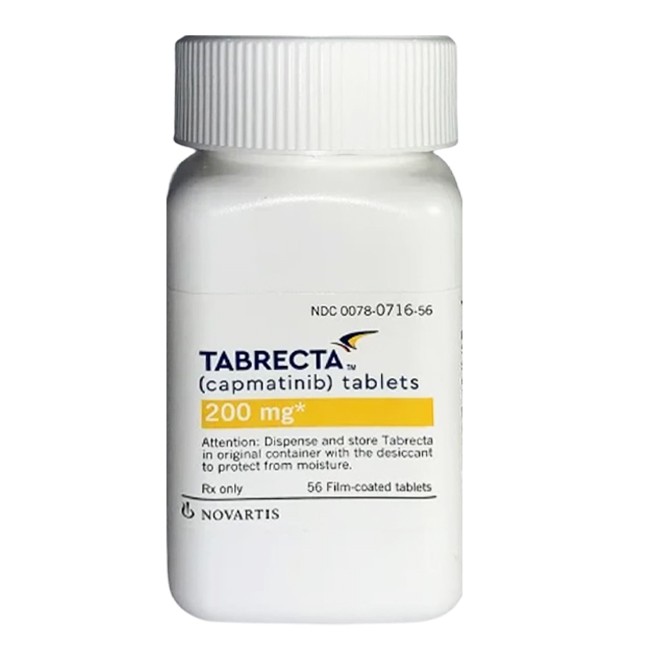
(1) The standard dose of capmatinib is 400 mg twice daily, administered orally.
(2) Doses should be administered approximately 12 hours apart. It may be taken with or without food, and at roughly the same time each day.
2. Administration Instructions
Swallow the tablets whole. Do not split, crush or chew them.
3. Management of Missed Doses and Post-dosing Vomiting
(1) Missed dose: If less than 6 hours remain until the next scheduled dose, skip the missed dose and take the next dose on time. If more than 6 hours have elapsed, take the missed dose as soon as remembered. Never take a double dose to make up for a missed one.
(2) Vomiting after dosing: If vomiting occurs following drug administration, do not take an additional dose. Resume the regular dosing schedule for the next dose.
II. Important Precautions
1. Genetic Testing Required Prior to Treatment
(1) This medication is only indicated for patients with advanced non-small cell lung cancer (NSCLC) harboring MET exon 14 skipping mutations诺华集团.
(2) Testing samples may be tumor tissue or plasma. Tissue re-testing is required if plasma test results are negative.
2. Concomitant Medication Contraindications and Interactions
(1) Strong/moderate CYP3A inducers (rifampicin, carbamazepine, efavirenz, etc.): These agents significantly reduce plasma concentrations of capmatinib and must be avoided.
(2) Strong CYP3A inhibitors (itraconazole, clarithromycin, grapefruit): These agents increase systemic exposure to capmatinib. Close monitoring for adverse reactions is required if co-administration is unavoidable.
(3) Proton pump inhibitors (PPIs) (omeprazole, rabeprazole): May decrease capmatinib absorption. Stagger dosing intervals or switch to H2 receptor antagonists is recommended.
3. Routine Monitoring Parameters
(1) Hepatic function (ALT, AST, total bilirubin): Assess at baseline, every 2 weeks for the first 3 months of treatment, and monthly thereafter.
(2) Pancreatic function (serum amylase, lipase): Monitor at baseline and periodically throughout treatment.
(3) Pulmonary symptoms: Immediate medical attention is required for new or worsening dyspnea, dry cough, or fever.
4. Permanent Discontinuation Criteria
(1) Interstitial lung disease (ILD)/pneumonitis of any grade.
(2) Confirmed pancreatitis, regardless of severity grade.
(3) Grade 4 ALT/AST elevation, or transaminase elevation ≥3×upper limit of normal (ULN) concurrent with bilirubin ≥2×ULN.
(4) Severe hypersensitivity reactions.
5. Special Populations
(1) Pregnant women: Contraindicated. Teratogenic effects have been demonstrated in animal studies. Females and males of reproductive potential must use effective contraception during treatment and for 1 week after treatment cessation.
(2) Lactation: Breastfeeding is not recommended during treatment and for 1 week after the last dose.
(3) Pediatric patients: Safety and efficacy data are insufficient; not recommended for use.
(4) Elderly patients (≥65 years): No dose adjustment is required.
(5) Renal impairment: No dose adjustment needed for mild to moderate renal insufficiency. Data in severe renal insufficiency are unavailable.
III. Patient Healthy Lifestyle Recommendations
1. Dietary Management
(1) Balanced nutrition: Consume adequate high-quality protein (fish, eggs, soy products), fresh fruits and vegetables to maintain stable body weight.
(2) Management of nausea: Adopt small, frequent meals; avoid greasy and spicy foods. Light liquid diets or dry crackers may help alleviate symptoms.
(3) No general dietary restrictions, but excessive grapefruit juice consumption is discouraged (impairs drug metabolism).
2. Physical Activity and Rest
(1) Mild to moderate exercise: Activities such as walking and tai chi relieve fatigue and reduce muscle stiffness.
(2) Regular sleep schedule: Ensure 7–8 hours of daily sleep, with short daytime naps (20–30 minutes per nap) as needed.
3. Skin and Photoprotection
(1) Capmatinib carries a photosensitivity risk. Broad-spectrum sunscreen with SPF ≥30, long-sleeve clothing, wide-brimmed hats and sunglasses must be worn when outdoors.
(2) For skin rashes, apply gentle moisturizing creams; avoid scratching. Seek medical advice if symptoms persist or worsen.
4. Emotional and Psychological Support
(1) Join patient support communities or seek professional psychological counseling to reduce anxiety.
(2) Maintain regular communication with attending physicians. Promptly report any discomfort, and do not self-reduce dosage or discontinue treatment due to fear of adverse effects.

Free Inquiry