

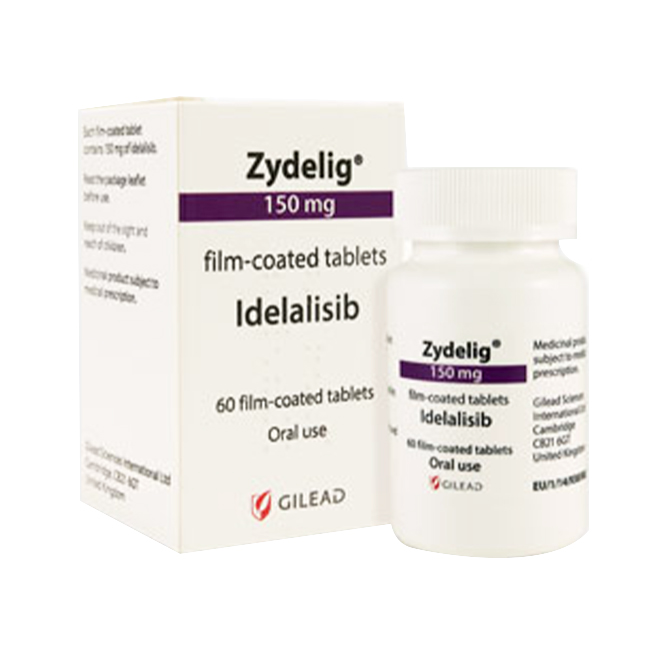
Idelalisib (Zydelig) is an oral PI3Kδ inhibitor indicated for the treatment of relapsed chronic lymphocytic leukemia.
I. Common Side Effects of Idelalisib
1. Adverse Reactions with Incidence Rate ≥ 30%
(1) In combination therapy trials, the most frequent side effects include diarrhea, pneumonia, pyrexia, fatigue, rash, cough and nausea.
(2) Most of these reactions are mild to moderate in severity, yet some may progress to severe events.
2. Severe Black Box Warning Toxicities
(1) Hepatotoxicity (potentially fatal), severe diarrhea or colitis, pneumonia, serious infections, and intestinal perforation.
(2) The above toxicities may occur early during treatment (hepatotoxicity mostly develops within 12 weeks), requiring close clinical vigilance.
3. Common Laboratory Abnormalities
(1) Hematologically, neutropenia occurs in up to 65% of patients.
(2) Elevated alanine transaminase (ALT) and aspartate transaminase (AST) levels are highly prevalent in hepatic function.
(3) Thrombocytopenia and lymphopenia are also relatively common.
II. Methods for Alleviating Side Effects
1. Monitoring and Management of Hepatotoxicity
(1) Regular monitoring of ALT, AST and bilirubin is required prior to and throughout treatment: every 2 weeks for the first 3 months, every 4 weeks for the subsequent 3 months, and once every 1 to 3 months thereafter.
(2) If ALT/AST rises to 3–5 times the upper limit of normal (ULN), maintain the original dosage with weekly monitoring. For levels of 5–20 times ULN, interrupt treatment; resume at a reduced dose of 100 mg twice daily after values return below ULN. Discontinue therapy permanently if levels exceed 20 times ULN.
2. Management of Diarrhea/Colitis
(1) Diarrhea induced by Zydelig responds poorly to conventional antidiarrheal agents.
(2) For moderate diarrhea (4–6 additional daily bowel movements from baseline), maintain the prescribed dose and conduct weekly monitoring. For severe diarrhea (≥7 additional daily bowel movements or hospitalization required), suspend treatment; resume at a reduced dose of 100 mg twice daily upon recovery. Permanently discontinue treatment for life-threatening diarrhea.
(3) Corticosteroid therapy is necessary for some patients.
3. Prevention and Management of Infections
(1) All patients must receive prophylaxis against Pneumocystis jirovecii pneumonia during treatment.
(2) Interrupt Zydelig upon onset of Grade 3 or higher infections (e.g., pneumonia, sepsis), and resume therapy following infection resolution.
(3) Discontinue treatment temporarily if positive cytomegalovirus (CMV) PCR or antigen testing is detected, until viremia resolves. Perform monthly CMV monitoring after treatment resumption.
4. Management of Pneumonitis and Cutaneous Reactions
(1) Immediately and permanently discontinue Zydelig and initiate corticosteroid therapy upon onset of any symptomatic pneumonitis (e.g., cough, dyspnea, hypoxemia).
(2) Suspend treatment to clarify etiology in cases suspected of Stevens-Johnson syndrome or toxic epidermal necrolysis. Discontinue therapy permanently upon confirmed diagnosis.
5. Management of Neutropenia
(1) Complete blood count monitoring is required at least every 2 weeks during the first 6 months of treatment.
(2) Interrupt therapy if absolute neutrophil count falls below 0.5 Gi/L, and resume at a reduced dosage following recovery.
III. Storage Requirements
1. Temperature Specifications
(1) Zydelig should be stored at 20°C to 30°C.
(2) Brief temperature excursions to 15–30°C are permissible; prolonged exposure to extreme temperatures must be avoided.
2. Packaging and Storage Placement
(1) The medication must be kept in its original high-density polyethylene (HDPE) bottle containing a polyester coil desiccant, with a child-resistant closure.
(2) Do not use the product if the bottle seal is damaged or missing.
(3) Keep the medicine out of reach of children.
3. Other Precautions
(1) Do not transfer tablets into alternative containers.
(2) Refrigeration is unnecessary. Avoid moisture and direct sunlight exposure.
(3) Expired medication shall be disposed of in accordance with regulations for prescription drug waste disposal.

Free Inquiry