info@seagull-health.com
SeagullHealth
语言:
search
new
Cobimetinib Instructions
502
Article source: Seagull Pharmacy
Jul 10, 2025

Cobimetinib is a targeted therapy drug mainly used to treat unresectable or metastatic melanoma with BRAF V600E/K mutation. The drug is a MEK1/MEK2 inhibitor that inhibits tumor growth by blocking cell proliferation signaling pathways.

Cobimetinib Instructions

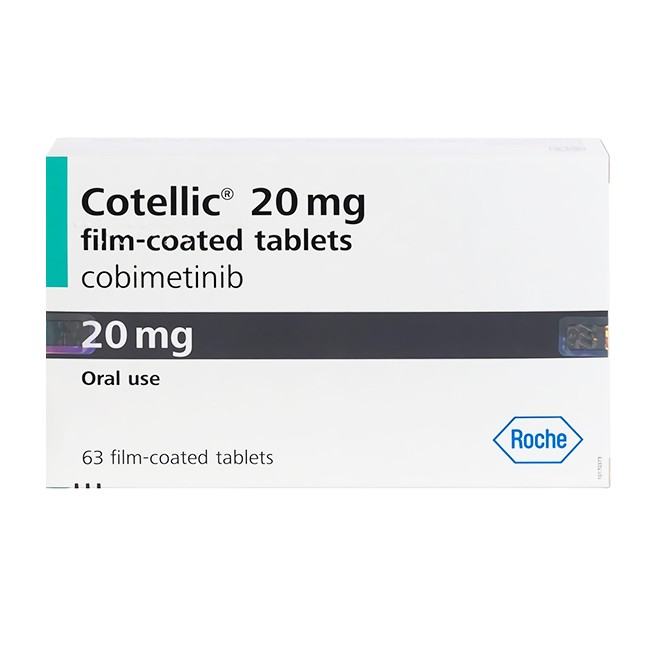
Cobimetinib is produced by Roche in Switzerland and is available in 20mg*63 tablets. It is not yet available in China and is not included in medical insurance. Its indications include treatment of BRAF mutation melanoma in combination with vemurafenib and monotherapy of histiocytic tumors. The following is an explanation of the core characteristics and usage specifications.

Core Characteristics and Indications

Cobimetinib is a white round film-coated tablet with Cobimetinib as the main ingredient and a tablet dosage form. Its targets are MEK1 and MEK2, and it blocks tumor cell proliferation signals by inhibiting BRAF protein kinase activity. Clinical studies have confirmed that combined with vemurafenib can significantly improve the survival benefits of patients with BRAF V600E/K mutation melanoma.

Dosage and Adjustment

The recommended dose is 60mg (3 tablets) orally daily, and the drug is discontinued for 7 days after 21 consecutive days, with a cycle of 28 days. No need to make up for missed doses or vomiting, and continue to take the drug as planned. If a moderate CYP3A inhibitor is required, the dose should be reduced to 20mg, and the original dose should be restored after the inhibitor is discontinued. During treatment, LVEF, liver function and skin lesions should be monitored regularly, and the dose should be adjusted or the drug should be suspended according to the severity of adverse reactions.

Rational medication should be combined with the individual situation of the patient and strictly follow the principle of dose adjustment. Through standardized monitoring and management, the balance between efficacy and safety can be maximized.

Drug interactions of cobimetinib

Drug interactions may significantly affect the blood concentration and efficacy of cobimetinib. The following analyzes its potential risks and coping strategies from the two aspects of inhibitors and inducers.

Effect of CYP3A inhibitors

Strong or moderate CYP3A inhibitors (such as itraconazole and erythromycin) can increase the systemic exposure of cobimetinib. It should be completely avoided when used in combination with strong inhibitors; if a medium-acting inhibitor is used in combination for a short period of time, the dose should be reduced to 20 mg. The original dose should be restored after discontinuation of the drug, and alternative drugs for non-CYP3A metabolic pathways should be preferred.

Effect of CYP3A inducers

Strong CYP3A inducers (such as rifampicin and carbamazepine) may reduce the blood concentration of cobimetinib by more than 80%, resulting in decreased efficacy. Such drugs should be avoided in clinical practice, and alternative treatment options or dosage adjustments should be evaluated if necessary.

Drug interaction management is a key link in clarifying the efficacy. By avoiding high-risk combination regimens and dynamically adjusting the dose, the blood concentration within the therapeutic window can be effectively maintained.

Pharmacokinetics of cobimetinib

The pharmacokinetic characteristics of cobimetinib directly affect its dosing regimen and efficacy stability. The following is an analysis from the two aspects of absorption and metabolism characteristics and clinical research data.

Absorption and metabolic characteristics

Steady-state blood concentration can be reached 9 days after oral administration, with an accumulation ratio of 2.4 times (CV=44%). The pharmacokinetics are linear in the dose range of 3.5-100 mg, and food has no significant effect on absorption. It is mainly metabolized by the liver, and patients with mild to moderate liver and kidney damage do not need to adjust the dose.

Clinical research data

Studies on healthy subjects and patients have shown that a 60 mg once-daily dosing regimen can maintain effective blood drug concentrations. Liver function needs to be monitored monthly during treatment. If grade 3-4 hepatotoxicity or rhabdomyolysis occurs, the drug should be suspended, and the subsequent treatment plan should be adjusted according to laboratory indicators.

Pharmacokinetic data provide a scientific basis for individualized medication. Combined with the patient's physiological state and metabolic characteristics, the dosing strategy can be optimized and the risk of toxicity can be reduced.

Note: For internal discussion among medical personnel only. For specific medication, please consult the attending physician. Drug information may change over time. For the latest information, we recommend adding a medical consultant or consulting for free online.
Cobimetinib(Cotellic)
Cotellic is indicated for the treatment of adult patients with melanoma...
WeChat Scan
Free Inquiry
Recommended Articles
Cobimetinib targeted drug
Cobimetinib is a targeted therapy drug that blocks the tumor cell proliferation signaling pathway by inhibiting the activity of MEK1/2 protein kinases. It plays an important role in the treatment of u...
What to pay attention to when using Defibrotide
Defibrotide stabilizes and protects endothelial cells, inhibits thrombosis, and promotes fibrinolysis, thereby improving coagulation dysfunction, repairing vascular wall damage, and relieving the...
Side effects of Defibrotide
Defibrotide is a widely recognized blood treatment drug in the international market. It is suitable for patients with hepatic veno-occlusive disease (VOD) after hematopoietic stem cell transplant...
Efficacy of Defibrotide
Defibrotide is an important therapeutic drug that shows unique clinical value in specific medical fields. Its core mechanism of action and wide application background make it a key choice for the...
How much is the price of cobimetinib?
Cobimetinib, also known as cobimetinib, is a targeted therapy drug mainly used to treat unresectable or metastatic melanoma positive for BRAF V600E or K mutations. It blocks the growth and signal tran...
Where is cobimetinib generally sold?
Cobimetinib is a targeted therapy drug mainly used to treat unresectable or metastatic melanoma with BRAF V600E or K mutation. It inhibits the growth and spread of tumors by inhibiting the activity of...
How is the therapeutic effect of cobimetinib?
Cobimetinib is suitable for the treatment of unresectable or metastatic melanoma with BRAFV600E or V600K mutations in combination with vemurafenib, as well as adult patients with histiocytes treated w...
What are the adverse reactions of cobimetinib?
The main ingredient of cobimetinib is Cobimetinib, which is generally a white round tablet developed by Roche (Switzerland) with obvious therapeutic effects. So, what are the adverse reactions of cobi...
Related Articles
What Are the Side Effects of Cobimetinib (Cotellic)?
Cobimetinib (Cotellic) is an important kinase inhibitor that plays a key role in the treatment of melanoma and histiocytic neoplasms.What Are the Side Effects of Cobimetinib (Cotellic)?Typical Reactio...
Precautions for Using Cobimetinib (Cotellic)
Cobimetinib (Cotellic) is a MEK inhibitor that demonstrates significant value in the treatment of BRAF V600 mutation-positive melanoma and histiocytic neoplasms. To ensure therapeutic benefits and min...
How to Use Cobimetinib (Cotellic)
Cobimetinib (Cotellic) is a kinase inhibitor primarily used in combination with other medications for the treatment of specific types of cancer.How to Use Cobimetinib (Cotellic)Standard Dosing Regimen...
Indications of Cobimetinib (Cotellic)
Cobimetinib (Cotellic) is a kinase inhibitor that plays an important role in the field of cancer treatment.Indications of Cobimetinib (Cotellic)Melanoma TreatmentCobimetinib, in combination with vemur...
How to Purchase Cobimetinib (Cotellic)
Cobimetinib (Cotellic) is an important kinase inhibitor primarily used for the treatment of certain types of melanoma and thyroid-like tumors. As a prescription medication, its purchase and use are su...
Precautions for Cobimetinib
Cobimetinib (Cotellic) is a drug used to treat melanoma with BRAF V600E or V600K mutations, and it is administered in combination with Vemurafenib. BRAF V600E or V600K mutations are the most common ty...
Indications of Cobimetinib
Cobimetinib is an oral medication commonly used to treat adult patients with BRAF V600E or V600K mutations in unresectable or metastatic melanoma. It is usually used in combination with Vemurafenib to...
How to use cobimetinib?
Cobimetinib has not been marketed in China yet. Cobimetinib is a kinase inhibitor. It works by inhibiting the activity of BRAF kinase, blocking the mutant signaling pathway, and reducing the growth an...
New Drugs
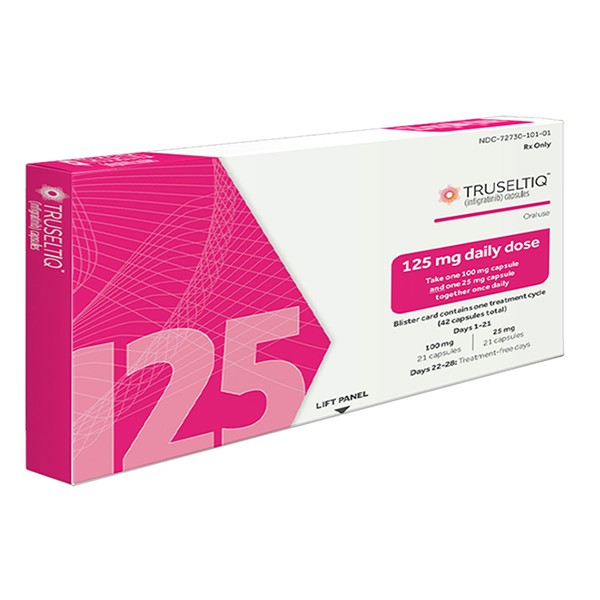
Infigratinib(Truseltiq)
Treatment of previously treated, unresectable locally advanced or metastatic...
Opicapone(Ongentys)
Opicapone(Ongentys)
Adjunctive treatment to levodopa/carbidopa for reducing "off" episodes in...
Deflazacort(Emflaza)
Treatment of Duchenne muscular dystrophy (DMD) in patients aged 2 years and...
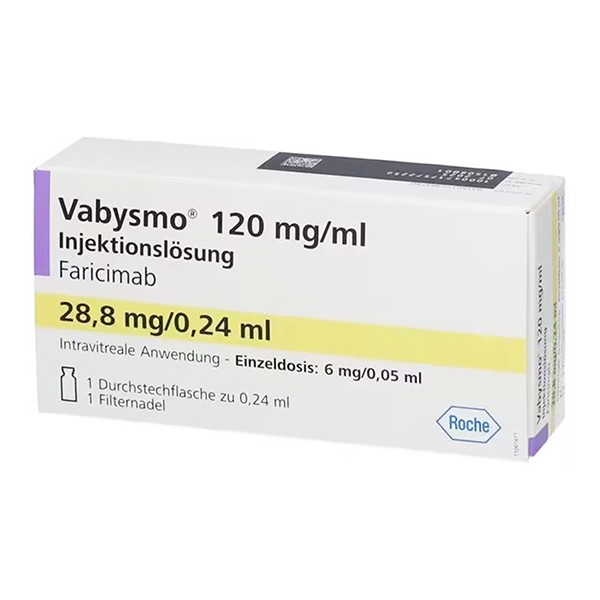
Faricimab-svoa(Vabysmo)
Treatment of neovascular age-related macular degeneration, diabetic macular...
Counselling Service
Global Drug Search
Clinical Research Recruitment
Overseas Medical Treatment
Remote Consultations
Note: Our medical consultant will contact you as soon as possible. We promise to strictly protect your privacy.
Submit
Business
  • Core products
  • Antitumor drugs
  • General drug
  • Antiviral drugs
  • Biological agents
Contact Us 
  • mailbox:info@lucius.la
Welcome to consult
ucius Pharmaceuticals (Lao) Co.,Ltd All rights reserved