info@seagull-health.com
SeagullHealth
语言:
search
new
Side Effects of Naldemedine (Symproic)
503
Article source: Seagull Pharmacy
Dec 02, 2025

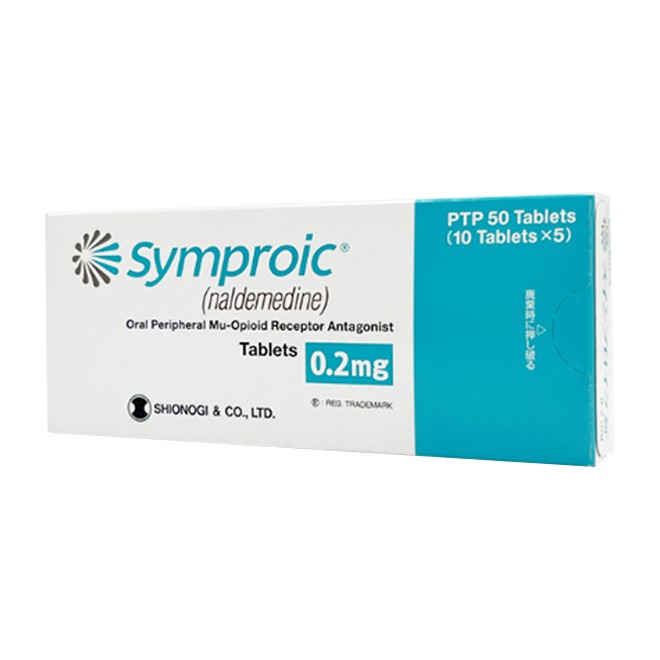
Naldemedine (Symproic) is a weekly-acting opioid antagonist used for the treatment of opioid-induced constipation (OIC), providing patients with an effective relief option.

Side Effects of Naldemedine (Symproic)

Common Adverse Reactions

Abdominal pain (approximately 8%-11%): Mainly presents as abdominal discomfort, or pain in the upper or lower abdomen.

Diarrhea (approximately 7%): Some patients experience diarrhea, which may be related to the drug accelerating intestinal peristalsis. If necessary, fluid replacement is required to prevent dehydration.

Nausea (approximately 4%-6%): Local irritation of the gastrointestinal mucosa by the drug may cause a feeling of nausea.

Gastroenteritis (approximately 2%-3%): Mainly manifests as symptoms of gastrointestinal inflammation, which can be treated with symptomatic therapy under the guidance of a doctor.

Vomiting (approximately 3%): The incidence is relatively low, but it requires attention if accompanied by other digestive system symptoms.

Severe Side Effects of Naldemedine (Symproic)

Gastrointestinal Perforation

Although relatively rare, there are reports of associated risks.

If severe, persistent, or gradually worsening abdominal pain occurs, the drug must be discontinued immediately and emergency medical intervention sought.

Strict risk assessment is required, especially for patients with a history of gastrointestinal surgery, tumor, diverticulitis, or those who have received radiotherapy or chemotherapy.

Opioid Withdrawal Symptoms

Patients may present with excessive sweating, chills, tearing, facial flushing, sneezing, fever, feeling cold, abdominal pain, diarrhea, nausea, and vomiting.

Patients with impaired blood-brain barrier function (e.g., a history of central nervous system disease or surgery) have a higher risk of developing withdrawal symptoms.

During clinical treatment, relevant symptoms need to be closely monitored, and individualized medication plans should be developed after weighing the pros and cons.

Precautions for Naldemedine (Symproic)

Contraindicated Populations

Patients with known or suspected gastrointestinal obstruction or at risk of recurrent obstruction.

Patients with allergic reactions to naldemedine or its components. Some patients have experienced severe allergic symptoms such as bronchospasm and rash, which require immediate drug discontinuation for management.

Medication in Special Populations

Pregnant women: Naldemedine may cross the placenta and induce opioid withdrawal symptoms in the fetus. It can only be used when the potential therapeutic benefits are clearly greater than the risks.

Lactating women: The drug may be excreted in breast milk, causing withdrawal reactions in infants. It is recommended to suspend breastfeeding during medication use, or resume breastfeeding at least 3 days after drug discontinuation.

Patients with hepatic impairment: Patients with severe hepatic impairment should avoid using this drug; patients with mild to moderate hepatic impairment do not require dose adjustment.

Drug Interactions

Strong CYP3A inducers (e.g., rifampicin, carbamazepine): Concurrent use with such drugs may significantly reduce the plasma concentration of naldemedine and weaken its efficacy, so combined use should be avoided.

Other opioid antagonists: Combined use may enhance the antagonistic effect and exacerbate withdrawal symptoms, so combined use should be avoided.

Moderate to strong CYP3A inhibitors and P-gp inhibitors (e.g., cyclosporine): May increase the plasma concentration of naldemedine and raise the risk of adverse reactions. Close monitoring is required when using these drugs in combination.

Note: For internal discussion among medical personnel only. For specific medication, please consult the attending physician. Drug information may change over time. For the latest information, we recommend adding a medical consultant or consulting for free online.
Naldemedine(Symproic)
Opioid-induced constipation (OIC) in adult patients with chronic non-cancer...
WeChat Scan
Free Inquiry
Recommended Articles
What Are the Precautions for Taking Naldemedine (Symproic)?
Naldemedine (Symproic) is a dedicated medication for the treatment of opioid-induced constipation (OIC). As a peripherally acting opioid receptor antagonist, it effectively relieves OIC symptoms while...
What Are the Indications of Naldemedine (Symproic)?
Naldemedine (Symproic) is an oral medication specifically designed for the treatment of opioid-induced constipation (OIC). As a selective peripheral μ-opioid receptor antagonist, it relieves constipat...
What Are the Purchase Channels for Naldemedine (Symproic)?
Naldemedine (Symproic) is a specific medication for treating opioid-induced constipation (OIC), and its clinical application has become increasingly widespread. With the growth in demand, the market h...
What are the Precautions for Taking Elacestrant (Orserdu)?
Elacestrant (Orserdu) is the first oral selective estrogen receptor degrader (SERD). It was approved by the FDA in 2023 for the treatment of advanced or metastatic breast cancer that is estrogen recep...
How to Purchase Metyrapone?
Metyrapone is a medication specifically used for diagnosing adrenal cortex insufficiency, and its purchase and use are subject to strict requirements for medical professionalism.How to Purchase Metyra...
What Kind of Medication Is Metyrapone?
Metyrapone is a key medication for diagnosing adrenal cortex insufficiency. Since its first approval in the United States in 1961, it has become an important diagnostic tool in the field of endocrinol...
How to Use Metyrapone
Metyrapone is an inhibitor of adrenal steroid synthesis. It is mainly used in combination with other diagnostic tests for the diagnosis of adrenal cortex insufficiency in adult and pediatric patients....
Precautions for Metyrapone Administration
Metyrapone is an inhibitor of adrenal steroid synthesis, primarily used in combination with other diagnostic tests to confirm the diagnosis of adrenal cortex insufficiency in adult and pediatric patie...
Related Articles
Side Effects of Naldemedine (Symproic)
Naldemedine (Symproic) is a weekly-acting opioid antagonist used for the treatment of opioid-induced constipation (OIC), providing patients with an effective relief option.Side Effects of Naldemedine ...
What Are the Precautions for Taking Naldemedine (Symproic)?
Naldemedine (Symproic) is a dedicated medication for the treatment of opioid-induced constipation (OIC). As a peripherally acting opioid receptor antagonist, it effectively relieves OIC symptoms while...
What Are the Indications of Naldemedine (Symproic)?
Naldemedine (Symproic) is an oral medication specifically designed for the treatment of opioid-induced constipation (OIC). As a selective peripheral μ-opioid receptor antagonist, it relieves constipat...
What Are the Purchase Channels for Naldemedine (Symproic)?
Naldemedine (Symproic) is a specific medication for treating opioid-induced constipation (OIC), and its clinical application has become increasingly widespread. With the growth in demand, the market h...
Usage and Dosage of Symproic
Symproic is a targeted drug used to treat constipation (OIC) in patients with chronic non-pathological pain caused by opioids. It works by selectively antagonizing μ opioid receptors, helping to relie...
Side effects and precautions of Naldemedine
Symproic(Naldemedine) is a drug used to treat opioid-induced constipation (OIC) in adult patients with chronic non-cancer pain. This article will focus on side effects and precautions, indications, an...
Effects and efficacy of Naldemedine
Naldemedine is a therapeutic drug for opioid-induced constipation (OIC). It relieves the problem of intestinal function inhibition by specifically antagonizing μ opioid receptors. Its unique mech...
How to relieve the side effects of Naldemedine?
Naldemedine is a drug used to treat constipation caused by opioids. Although it is effective, it may also be accompanied by some side effects, such as abdominal pain, diarrhea, nausea, etc. Under...
New Drugs
Infigratinib(Truseltiq)
Treatment of previously treated, unresectable locally advanced or metastatic...
Opicapone(Ongentys)
Opicapone(Ongentys)
Adjunctive treatment to levodopa/carbidopa for reducing "off" episodes in...
Deflazacort(Emflaza)
Treatment of Duchenne muscular dystrophy (DMD) in patients aged 2 years and...
Faricimab-svoa(Vabysmo)
Treatment of neovascular age-related macular degeneration, diabetic macular...
Counselling Service
Global Drug Search
Clinical Research Recruitment
Overseas Medical Treatment
Remote Consultations
Note: Our medical consultant will contact you as soon as possible. We promise to strictly protect your privacy.
Submit
Business
  • Core products
  • Antitumor drugs
  • General drug
  • Antiviral drugs
  • Biological agents
Contact Us 
  • mailbox:info@lucius.la
Welcome to consult
ucius Pharmaceuticals (Lao) Co.,Ltd All rights reserved