info@seagull-health.com
SeagullHealth
语言:
search
new
Usage and Dosage of Symproic
501
Article source: Seagull Pharmacy
Jul 02, 2025

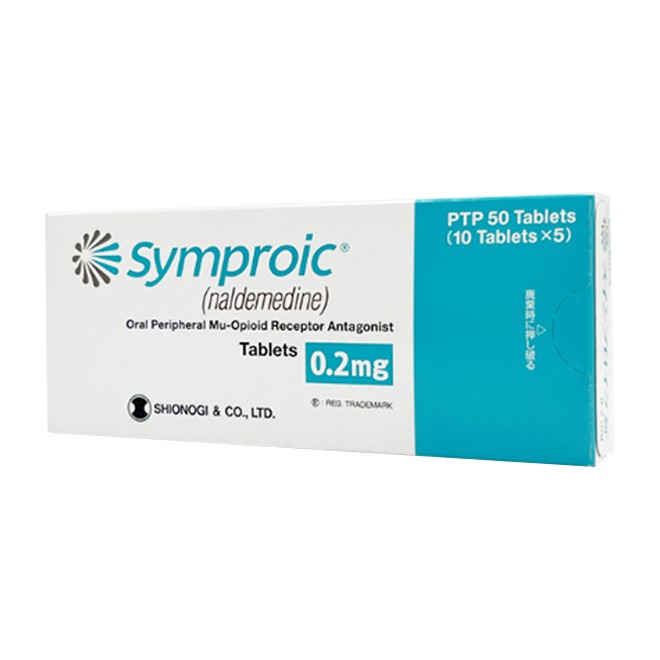
Symproic is a targeted drug used to treat constipation (OIC) in patients with chronic non-pathological pain caused by opioids. It works by selectively antagonizing μ opioid receptors, helping to relieve constipation symptoms without affecting the analgesic effect of opioids.

Usage and Dosage of Symproic

Correctly mastering the usage and dosage of Symproic is the basis for clarifying the therapeutic effect and safety. Patients need to strictly follow the doctor's instructions and adjust the medication regimen according to individual conditions.

Medication Management Principles

The use of Symproic should be carried out simultaneously with opioids, and there is no need to adjust the analgesic regimen in advance. For patients who have taken opioids for less than 4 weeks, the drug responsiveness may be reduced because the intestinal function has not yet fully adapted. In addition, if the patient stops opioid treatment, Symproic should be discontinued immediately to avoid potential risks.

Recommended Dosage and Administration

The recommended dose for adult patients is 0.2 mg tablets taken orally once a day, which can be taken before or after meals. Tablets with a specification of 0.2 mg should be swallowed whole and should not be broken or chewed. For patients with mild or moderate liver damage, no dosage adjustment is required, but patients with severe liver dysfunction should avoid using it.

Rational use of drugs should be combined with the patient's actual medication cycle and physiological state, dynamically evaluate the efficacy and tolerance, and clarify the realization of treatment goals.

Precautions for the use of Naldemedine

To reduce the risk of medication, patients need to pay attention to key issues such as drug storage, medication for special populations and interactions.

Storage conditions and packaging integrity

Naldemedine should be stored in a dry environment at 20-25℃ away from light, and short-term temperature fluctuations between 15-30℃ are allowed. The drug should always be stored in the original sealed container to avoid moisture or exposure to extreme temperatures. If the packaging is damaged or the tablet properties are found to change (such as abnormal color), it should be discontinued immediately and consult a professional.

Restrictions on the use of special populations

Pregnant and lactating women should use it with caution. During pregnancy, it may cause fetal opioid withdrawal reactions and can only be used when the benefits are significantly higher than the risks. If breastfeeding patients need to take the medicine, it is recommended to suspend breastfeeding or stop taking the medicine, and resume breastfeeding 3 days after the last dose. The safety of children and adolescents has not been verified and should be strictly avoided.

Through standardized storage and targeted management of medication for special populations, unexpected risks can be minimized and patient safety can be maintained.

Potential risks of Naldemedine

Although Naldemedine has a clear efficacy in the treatment of OIC, its potential risks need to be controlled through close monitoring and intervention.

Gastrointestinal adverse reactions

About 2% of patients may experience symptoms such as abdominal pain, diarrhea or nausea. If abdominal pain continues to worsen or is accompanied by vomiting and fever, be alert to the risk of gastrointestinal perforation. At this time, the drug should be stopped immediately and medical evaluation should be sought to avoid worsening of the condition.

Opioid withdrawal reaction and central risks

Patients with impaired blood-brain barrier (such as central nervous system diseases or trauma) may experience opioid withdrawal symptoms, manifested as anxiety, tremor or tachycardia. During medication, the analgesic effect and withdrawal signs of such patients should be closely monitored, and the treatment plan should be adjusted in time.

By identifying adverse reactions early and taking targeted measures, the benefits and risks of treatment can be effectively balanced and the quality of life of patients can be improved.

Note: For internal discussion among medical personnel only. For specific medication, please consult the attending physician. Drug information may change over time. For the latest information, we recommend adding a medical consultant or consulting for free online.
Naldemedine(Symproic)
Opioid-induced constipation (OIC) in adult patients with chronic non-cancer...
WeChat Scan
Free Inquiry
Recommended Articles
Side effects and precautions of Naldemedine
Symproic(Naldemedine) is a drug used to treat opioid-induced constipation (OIC) in adult patients with chronic non-cancer pain. This article will focus on side effects and precautions, indications, an...
Effects and efficacy of Naldemedine
Naldemedine is a therapeutic drug for opioid-induced constipation (OIC). It relieves the problem of intestinal function inhibition by specifically antagonizing μ opioid receptors. Its unique mech...
How to relieve the side effects of Naldemedine?
Naldemedine is a drug used to treat constipation caused by opioids. Although it is effective, it may also be accompanied by some side effects, such as abdominal pain, diarrhea, nausea, etc. Under...
How much does Naldemedine cost?
Naldemedine is a drug used to treat opioid-induced constipation (OIC) in adult patients with chronic non-pathological pain. It helps relieve constipation symptoms by selectively antagonizing μ op...
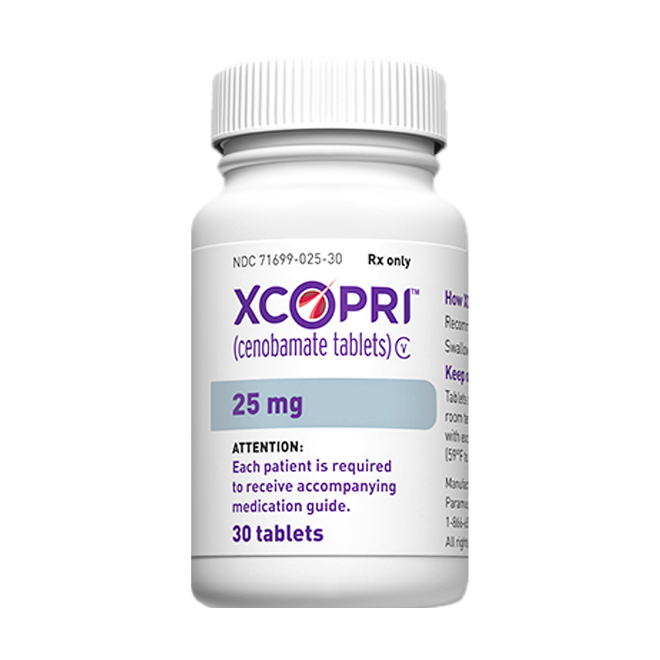
Indications of Cenobamat
Cenobamat is an innovative therapeutic drug that is mainly used for patients with specific types of non-small cell lung disease. This article will elaborate on the indications, dosage and potenti...
Instructions for use of Cenobamat
Phenobarbital is a drug used to treat certain types of epilepsy. Its detailed Chinese instructions are important for patients and medical professionals. This article will introduce the instructions fo...
Purchase channels for Cenobamat
Cenobamat is a drug that has not yet been launched in China and has not been included in the medical insurance. Patients need to obtain it through specific channels and follow a series of precaut...
Cenobamat price
Cenobamat is a drug used to treat certain types of seizure disorders. Its price, storage method and overdose solution are the focus of patients and medical professionals. This article will introd...
Related Articles
Side Effects of Naldemedine (Symproic)
Naldemedine (Symproic) is a weekly-acting opioid antagonist used for the treatment of opioid-induced constipation (OIC), providing patients with an effective relief option.Side Effects of Naldemedine ...
What Are the Precautions for Taking Naldemedine (Symproic)?
Naldemedine (Symproic) is a dedicated medication for the treatment of opioid-induced constipation (OIC). As a peripherally acting opioid receptor antagonist, it effectively relieves OIC symptoms while...
What Are the Indications of Naldemedine (Symproic)?
Naldemedine (Symproic) is an oral medication specifically designed for the treatment of opioid-induced constipation (OIC). As a selective peripheral μ-opioid receptor antagonist, it relieves constipat...
What Are the Purchase Channels for Naldemedine (Symproic)?
Naldemedine (Symproic) is a specific medication for treating opioid-induced constipation (OIC), and its clinical application has become increasingly widespread. With the growth in demand, the market h...
Usage and Dosage of Symproic
Symproic is a targeted drug used to treat constipation (OIC) in patients with chronic non-pathological pain caused by opioids. It works by selectively antagonizing μ opioid receptors, helping to relie...
Side effects and precautions of Naldemedine
Symproic(Naldemedine) is a drug used to treat opioid-induced constipation (OIC) in adult patients with chronic non-cancer pain. This article will focus on side effects and precautions, indications, an...
Effects and efficacy of Naldemedine
Naldemedine is a therapeutic drug for opioid-induced constipation (OIC). It relieves the problem of intestinal function inhibition by specifically antagonizing μ opioid receptors. Its unique mech...
How to relieve the side effects of Naldemedine?
Naldemedine is a drug used to treat constipation caused by opioids. Although it is effective, it may also be accompanied by some side effects, such as abdominal pain, diarrhea, nausea, etc. Under...
New Drugs
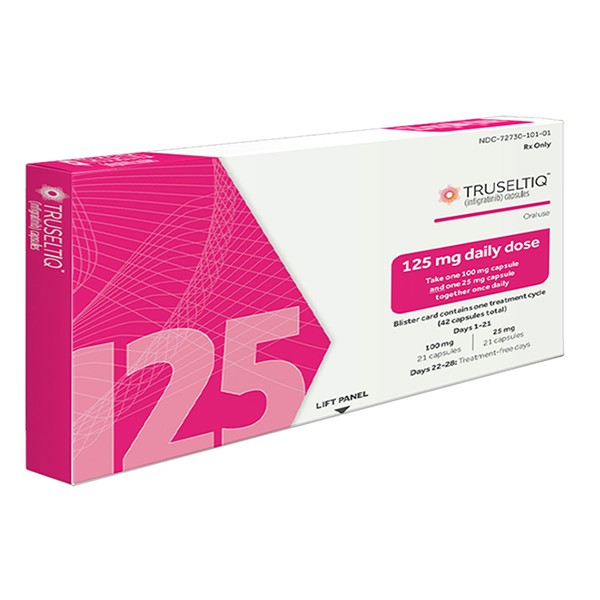
Infigratinib(Truseltiq)
Treatment of previously treated, unresectable locally advanced or metastatic...
Opicapone(Ongentys)
Opicapone(Ongentys)
Adjunctive treatment to levodopa/carbidopa for reducing "off" episodes in...
Deflazacort(Emflaza)
Treatment of Duchenne muscular dystrophy (DMD) in patients aged 2 years and...
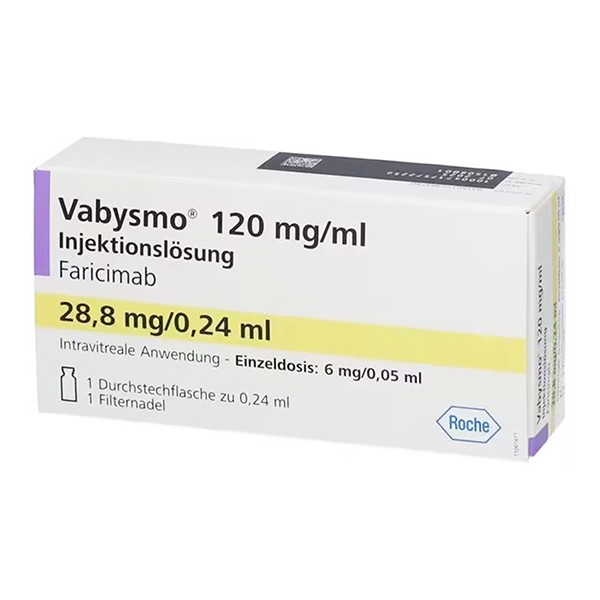
Faricimab-svoa(Vabysmo)
Treatment of neovascular age-related macular degeneration, diabetic macular...
Counselling Service
Global Drug Search
Clinical Research Recruitment
Overseas Medical Treatment
Remote Consultations
Note: Our medical consultant will contact you as soon as possible. We promise to strictly protect your privacy.
Submit
Business
  • Core products
  • Antitumor drugs
  • General drug
  • Antiviral drugs
  • Biological agents
Contact Us 
  • mailbox:info@lucius.la
Welcome to consult
ucius Pharmaceuticals (Lao) Co.,Ltd All rights reserved