info@seagull-health.com
SeagullHealth
语言:
search
new
Effects and efficacy of Naldemedine
500
Article source: Seagull Pharmacy
Jul 02, 2025

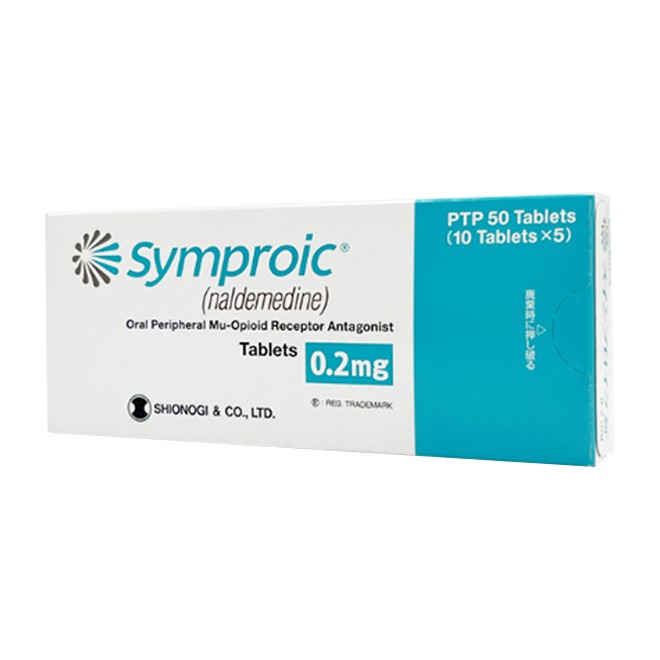
Naldemedine is a therapeutic drug for opioid-induced constipation (OIC). It relieves the problem of intestinal function inhibition by specifically antagonizing μ opioid receptors. Its unique mechanism of action makes it of great value in the management of constipation in patients with chronic non-lesional pain.

Effects and efficacy of Naldemedine

This drug is a μ opioid receptor antagonist. Naldemedine blocks opioid receptors in the intestine and restores intestinal peristalsis, thereby improving constipation symptoms. Its targeted mechanism of action avoids the influence of the central nervous system and reduces the risk of opioid withdrawal.

Mechanism of action and indications

The main ingredient of Naldemedine is Symproic, which can selectively bind to peripheral μ opioid receptors and reverse the inhibitory effect of opioids on the intestine. This drug is suitable for adult patients who have long-term use of opioid analgesics and have constipation, especially for chronic pain patients who need a stable analgesic regimen.

Clinical efficacy and safety

The recommended dose of 0.2 mg per day can significantly increase the number of spontaneous bowel movements per week in patients. Clinical trials have shown that about 50% of patients experience symptom improvement in the first week of treatment. Common adverse reactions such as abdominal pain and diarrhea are mostly mild and can be effectively relieved by adjusting the medication time or diet.

Through precise targeting, Naldemedine maintains analgesic effects while improving intestinal function, providing a balanced treatment option for patients with chronic pain. Reasonable use requires combination of individual symptoms and doctor's guidance.

Dietary habits of patients with Naldemedine

Dietary management is an important auxiliary measure to alleviate drug-related gastrointestinal reactions. Scientific adjustment of dietary structure helps to enhance the therapeutic effect and reduce medication discomfort.

Dietary fiber and water intake

It is recommended to consume 25-30g of dietary fiber per day, such as oats, vegetables and beans, to promote intestinal peristalsis. At the same time, it is required to drink more than 2000ml of water to soften the stool. Avoid consuming a large amount of high-fiber food at one time to avoid aggravating abdominal distension.

Dietary taboos and meal sharing suggestions

Reduce the intake of spicy and greasy foods to reduce irritation to the gastrointestinal tract. Adopting a small and frequent meal mode, 4-6 meals a day can help reduce the digestive burden. If severe diarrhea occurs, a low-residue diet can be temporarily selected, and a regular diet can be gradually resumed after the symptoms are relieved.

Dietary adjustments need to be dynamically optimized according to individual tolerance. Patients should establish a diet log during medication to record food types and symptom changes, providing doctors with accurate follow-up basis.

Drug interactions of Naldemedine

Drug combination may affect the metabolic process of Naldemedine or increase the risk of adverse reactions. A full understanding of potential interactions is a necessary prerequisite for safe medication.

Principles of combined use of opioids

When Naldemedine is used in combination with opioid analgesics, there is no need to adjust the dose, but the analgesic effect needs to be monitored. Sudden discontinuation of opioids may cause Naldemedine to fail, and the treatment plan needs to be adjusted simultaneously. Patients with impaired blood-brain barrier may experience withdrawal symptoms and need to be monitored more closely.

Drugs affecting liver enzymes

Potent CYP3A4 inhibitors (such as clarithromycin) may increase the blood concentration of Naldemedine and increase the incidence of adverse reactions. Patients with impaired liver function should avoid combining such drugs. Before use, a comprehensive assessment of the patient's medication history should be performed, and dose adjustments should be made if necessary.

Drug interaction management requires multidisciplinary collaboration. Patients should proactively inform their doctors of all the drugs they are taking, including Chinese herbal medicines and health products, to achieve dynamic optimization of individualized medication regimens.

Note: For internal discussion among medical personnel only. For specific medication, please consult the attending physician. Drug information may change over time. For the latest information, we recommend adding a medical consultant or consulting for free online.
Naldemedine(Symproic)
Opioid-induced constipation (OIC) in adult patients with chronic non-cancer...
WeChat Scan
Free Inquiry
Recommended Articles
How to relieve the side effects of Naldemedine?
Naldemedine is a drug used to treat constipation caused by opioids. Although it is effective, it may also be accompanied by some side effects, such as abdominal pain, diarrhea, nausea, etc. Under...
How much does Naldemedine cost?
Naldemedine is a drug used to treat opioid-induced constipation (OIC) in adult patients with chronic non-pathological pain. It helps relieve constipation symptoms by selectively antagonizing μ op...
How to buy Naldemedine?
The main ingredient of Naldemedine is Symproic. As an effective drug for treating constipation, it is especially suitable for patients with constipation caused by long-term use of opioids.How to ...
Instructions for Naldemedine: effects and efficacy, dosage, side effects, precautions
Naldemedine (Symproic) is a drug used to treat opioid-induced constipation (OIC) in adult patients with chronic non-cancer pain. It works by targeting μ opioid receptors and can effectively relieve co...
Side effects and precautions of Naldemedine
Symproic(Naldemedine) is a drug used to treat opioid-induced constipation (OIC) in adult patients with chronic non-cancer pain. This article will focus on side effects and precautions, indications, an...
Usage and Dosage of Symproic
Symproic is a targeted drug used to treat constipation (OIC) in patients with chronic non-pathological pain caused by opioids. It works by selectively antagonizing μ opioid receptors, helping to relie...
Indications of Cenobamat
Cenobamat is an innovative therapeutic drug that is mainly used for patients with specific types of non-small cell lung disease. This article will elaborate on the indications, dosage and potenti...
Instructions for use of Cenobamat
Phenobarbital is a drug used to treat certain types of epilepsy. Its detailed Chinese instructions are important for patients and medical professionals. This article will introduce the instructions fo...
Related Articles
Side Effects of Naldemedine (Symproic)
Naldemedine (Symproic) is a weekly-acting opioid antagonist used for the treatment of opioid-induced constipation (OIC), providing patients with an effective relief option.Side Effects of Naldemedine ...
What Are the Precautions for Taking Naldemedine (Symproic)?
Naldemedine (Symproic) is a dedicated medication for the treatment of opioid-induced constipation (OIC). As a peripherally acting opioid receptor antagonist, it effectively relieves OIC symptoms while...
What Are the Indications of Naldemedine (Symproic)?
Naldemedine (Symproic) is an oral medication specifically designed for the treatment of opioid-induced constipation (OIC). As a selective peripheral μ-opioid receptor antagonist, it relieves constipat...
What Are the Purchase Channels for Naldemedine (Symproic)?
Naldemedine (Symproic) is a specific medication for treating opioid-induced constipation (OIC), and its clinical application has become increasingly widespread. With the growth in demand, the market h...
Usage and Dosage of Symproic
Symproic is a targeted drug used to treat constipation (OIC) in patients with chronic non-pathological pain caused by opioids. It works by selectively antagonizing μ opioid receptors, helping to relie...
Side effects and precautions of Naldemedine
Symproic(Naldemedine) is a drug used to treat opioid-induced constipation (OIC) in adult patients with chronic non-cancer pain. This article will focus on side effects and precautions, indications, an...
Effects and efficacy of Naldemedine
Naldemedine is a therapeutic drug for opioid-induced constipation (OIC). It relieves the problem of intestinal function inhibition by specifically antagonizing μ opioid receptors. Its unique mech...
How to relieve the side effects of Naldemedine?
Naldemedine is a drug used to treat constipation caused by opioids. Although it is effective, it may also be accompanied by some side effects, such as abdominal pain, diarrhea, nausea, etc. Under...
New Drugs
Infigratinib(Truseltiq)
Treatment of previously treated, unresectable locally advanced or metastatic...
Opicapone(Ongentys)
Opicapone(Ongentys)
Adjunctive treatment to levodopa/carbidopa for reducing "off" episodes in...
Deflazacort(Emflaza)
Treatment of Duchenne muscular dystrophy (DMD) in patients aged 2 years and...
Faricimab-svoa(Vabysmo)
Treatment of neovascular age-related macular degeneration, diabetic macular...
Counselling Service
Global Drug Search
Clinical Research Recruitment
Overseas Medical Treatment
Remote Consultations
Note: Our medical consultant will contact you as soon as possible. We promise to strictly protect your privacy.
Submit
Business
  • Core products
  • Antitumor drugs
  • General drug
  • Antiviral drugs
  • Biological agents
Contact Us 
  • mailbox:info@lucius.la
Welcome to consult
ucius Pharmaceuticals (Lao) Co.,Ltd All rights reserved